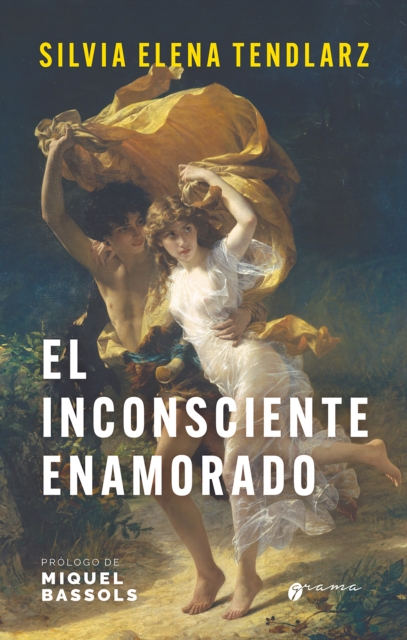
"El inconsciente enamorado es entonces, necesariamente, la condición misma del inconsciente, y también la del amor… Dicho de otra manera: el inconsciente enamorado es la única posibilidad de hacer recíproco aquello que por su propia condición es la no reciprocidad del goce, la no reciprocidad del goce del Uno… Que el amor sea siempre recíproco plantea la pregunta, que el lector encontrará formulada de varias maneras en estas páginas, de si hay un amor que no pida siempre, en su horizonte, reconocerse y verificarse como siendo un amor que pide ser amado por el Otro.
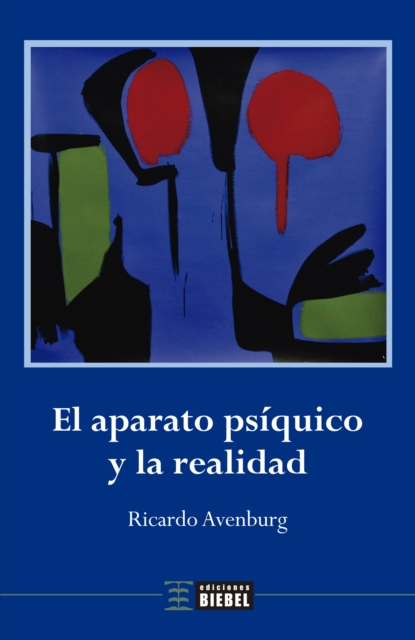
"En este libro, Ricardo Avenburg examina con detalle los distintos niveles de realidad y lo hace desarrollando e integrando ideas que Freud expuso en diferentes momentos de su obra, pero también siguiendo lo que Freud había llamado 'la oscura dialéctica hegeliana', no como un intento de imponer un sistema filosófico a la obra de su maestro, sino con la convicción de que la dialéctica está presente en el desenvolvimiento intrínseco de esa obra, aun cuando Freud no fuera consciente de ello.
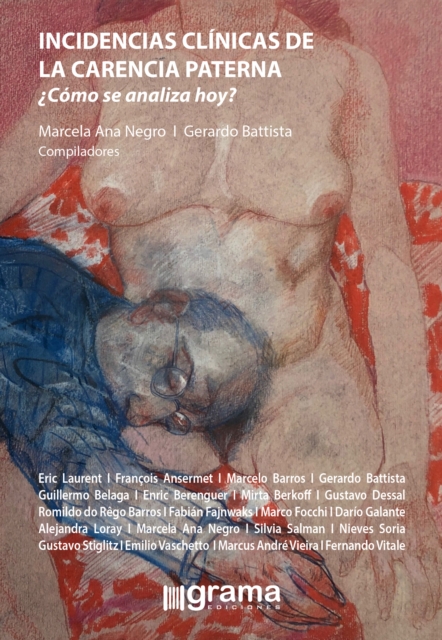
Escriben: Eric Laurent I François Ansermet I Marcelo Barros I Gerardo Battista | Guillermo Belaga I Enric Berenguer I Mirta Berkoff I Gustavo Dessal | Romildo do Rêgo Barros I Fabián Fajnwaks I Marco Focchi I Darío Galante | Alejandra Loray I Marcela Ana Negro I Silvia Salman I Nieves Soria | Gustavo Stiglitz I Emilio Vaschetto I Marcus André Vieira I Fernando VitaleLa propuesta de este libro decantó como producto de nuestro trabajo de investigación acerca de las presentaciones clínicas de la época y su incidencia en la práctica.
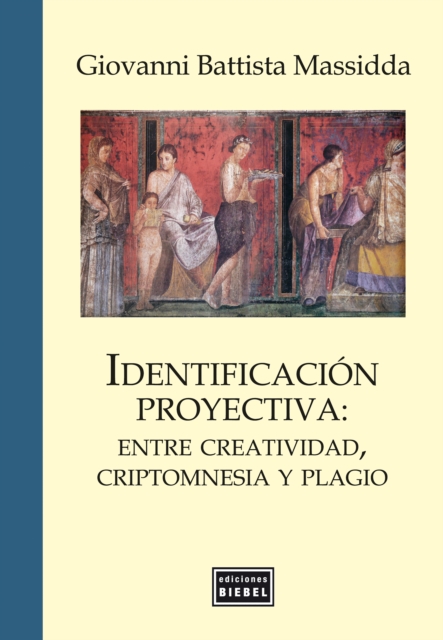
El concepto de identificación proyectiva (IP) –habitualmente considerado de origen kleiniano– es uno de los más controvertidos de toda la historia del movimiento psicoanalítico y las mayores discusiones acerca del mismo han atravesado un período que va desde 1965 a 1990.
En Sueño de una noche de verano, Shakespeare dice que a medida que la imaginación avanza, encarnando en formas desconocidas, la pluma del poeta las transforma en figuras y da a la etérea nada un lugar donde habitar y un nombre.
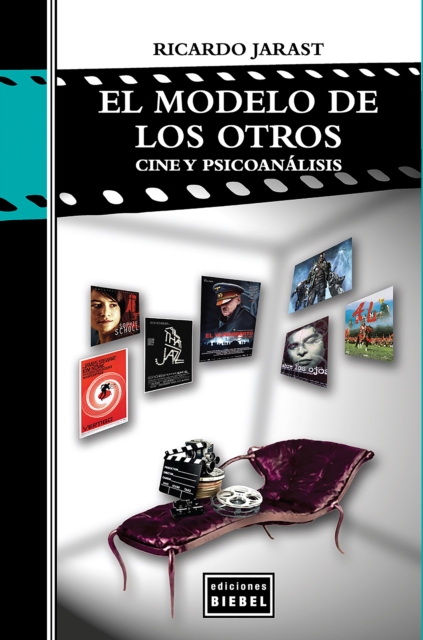
La idea del libro es jugar con los símbolos que nos ofrecen algunas buenas películas para volver a pensar problemas del psicoanálisis y de la cultura de nuestra época.
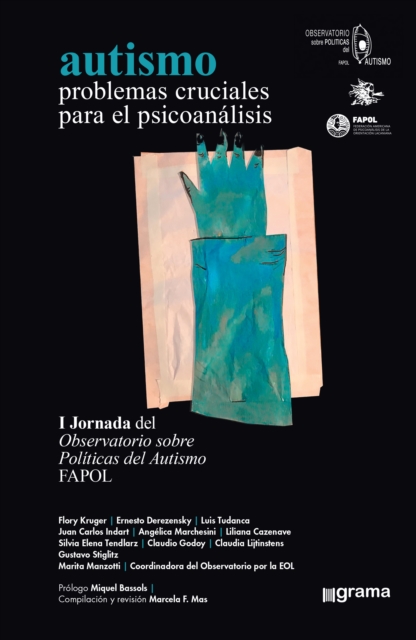
El lector tiene en sus manos el resultado de unas productivas conversaciones desarrolladas en octubre del año 2018 en Buenos Aires en ocasión de las Primeras Jornadas del Observatorio sobre Políticas del Autismo, organizadas por la EOL (Escuela de la Orientación Lacaniana) y la FAPOL (Federación Americana de Psicoanálisis de Orientación Lacaniana).
La posmodernidad –la época en que nos toca vivir– es, como resultante de magnos cambios tecnológicos y sociales, un tiempo de perpetuo presente y también un tiempo de posverdad.
En este libro Gregorio Kohon describe la complejidad del encuentro psicoanalítico, cuestionando los intentos equivocados de simplificarlo y/o reducirlo a arte o ciencia.
Estas clases siguen indudablemente esas señales, desde Freud, con Lacan, en un movimiento basculante que pendula entre autores de la psicología y la literatura clásica hasta las lecturas contemporáneas que interrogan el modo en que los afectos toman cuerpo en la actualidad.
"En este libro, Guillermo Adrián López ha sabido reunir, bajo el título La adolescencia en los tiempos que corren, una excelente selección de textos que abordan el presente y el porvenir de la adolescencia.
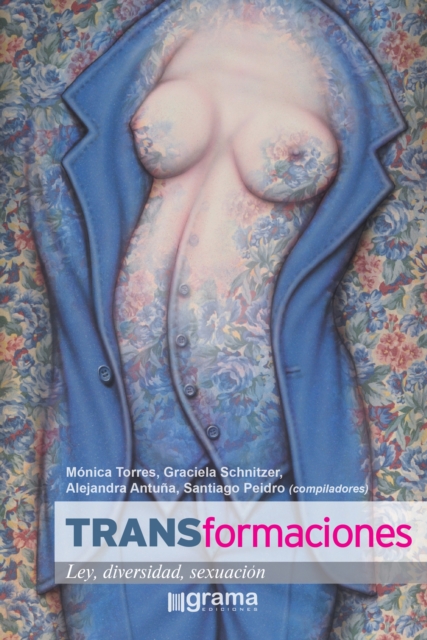
La naturaleza sexuada y su diversidad de vivir la pulsión, más allá de la biología y los significantes del Otro, marcan el nacimiento del psicoanálisis; constituyen principios teóricos y clínicos desde el inicio.
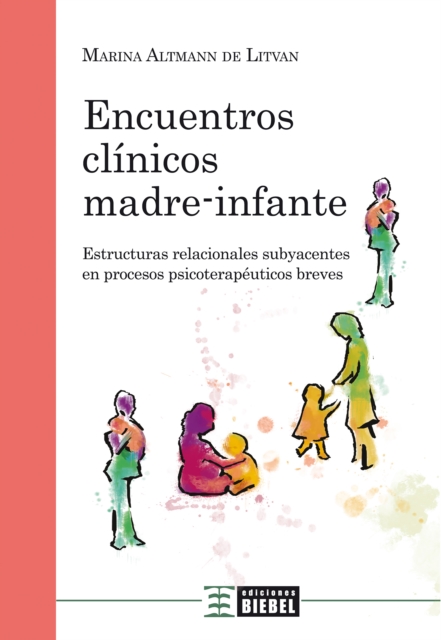
Encuentros clínicos madre-infante es el fruto de una investigación realizada por la autora en el marco de su tesis de doctorado en Psicología de la Universidad de Buenos Aires.
Sigmund Freud describe al humor como proceso que esencialmente consiste en el ahorro de afectos que conlleva el sufrimiento, sin abandonar el terreno de la salud psíquica.
Cuando Freud analizó la naturaleza del vínculo social entre los seres hablantes –especialmente en su "Psicología de las masas y análisis del yo"– tomó prestada del filósofo Arthur Schopenhauer una fábula conocida como "El dilema del erizo".
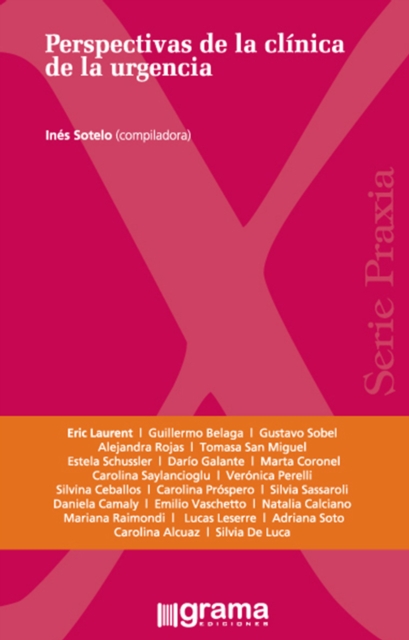
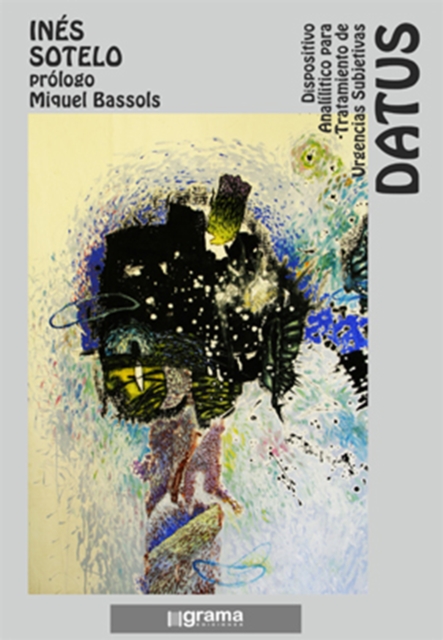
La propuesta de Inés Sotelo apuesta por la creación de un dispositivo de atención y tratamiento de la urgencia subjetiva siguiendo la lógica y la enseñanza de la experiencia analítica.
El lector atento irá muy bien acompañado por Carmen en este entender sin comprender demasiado rápido que Lacan ponía como condición de la formación del psicoanalista.
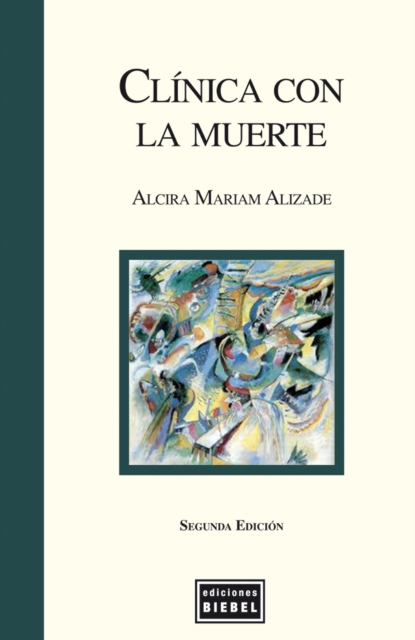
Este es un libro acerca de la cotidianeidad de la muerte, en su vertiente dramática y escandalosa, por un lado, y en su vertiente natural o "familiar", por el otro.
Este libro, que responde a la necesidad de realizar una articulación entre los textos fundamentales de Freud y la lectura que de ellos realiza Lacan, reúne un ciclo de conferencias realizado en 1991 en la Facultad de Psicología de la Universidad de Buenos Aires, auspiciado por el Centro de Estudiantes de dicha facultad.
Este libro, concebido como una expresión de homenaje y gratitud a un gran maestro del psicoanálisis, intenta formular una exégesis de los aportes de Liberman desde diferentes perspectivas psicoanalíticas, analizando sus implicancias metodológicas, teóricas, clínicas y técnicas.
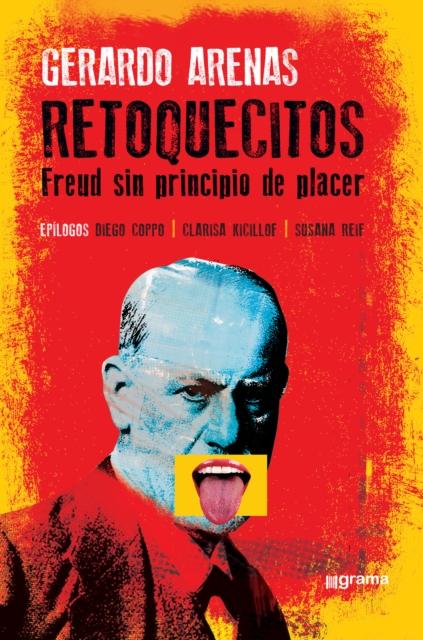
Avenburg conversa con Freud con la misma sencillez que un niño conversa con su amigo imaginario, acerca de los temas del psicoanálisis que los apasionan.
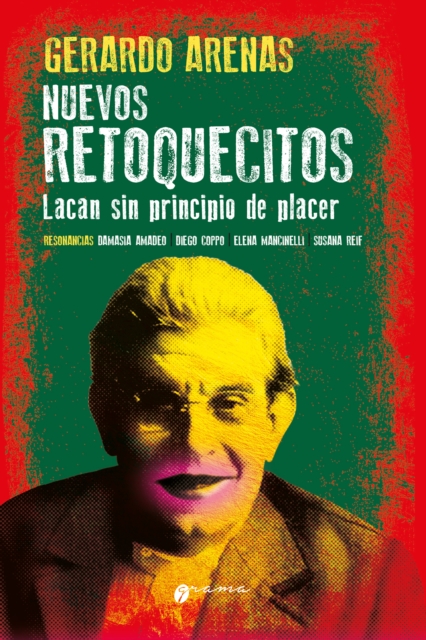
Consecuencia lógica más que secuela de Retoquecitos, donde se exploraba qué y cómo cambia la doctrina freudiana si se erradica de ella el principio de placer, Nuevos retoquecitos hace lo propio con la enseñanza de Lacan, acompañándola desde el primero hasta el último de sus seminarios, con sorprendentes resultados.
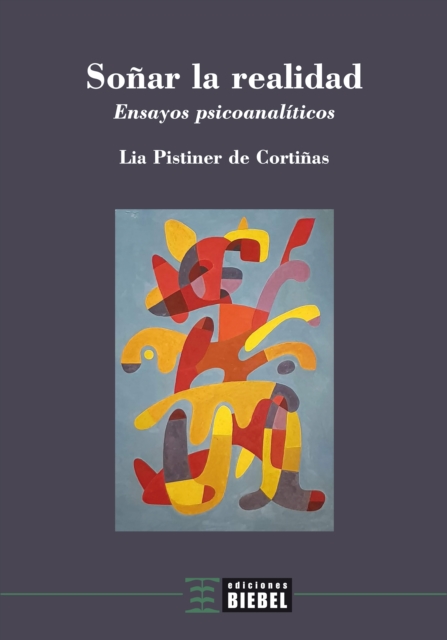
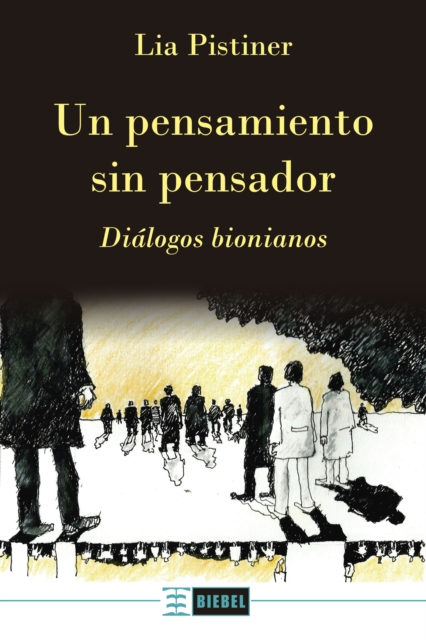
Lia Pistiner de Cortiñas hace una profunda investigación del pensamiento de Bion, revisitando muchas de sus ideas y aportando una original mirada sobre el rêverie, la función de "soñar", el crecimiento mental y las transformaciones que estas ideas introducen en la clínica psicoanalítica.
"Recuperar el fundamento de la palabra en la experiencia analítica es inseparable de tratar de recuperarla de la 'degradación' sufrida tras la muerte de Freud.
"En el momento en que fue escrito este libro significó una vuelta a Freud, ya que, como Ricardo Avenburg cuenta en escritos ulteriores, Freud era considerado 'antiguo'.
El autor propone una reflexión en una perspectiva distante y abarcativa (telescópica) que atienda la especificidad única de la especie humana inserta en forma indisociable en su hábitat: la heterogénea realidad humana, construida por esa especie.
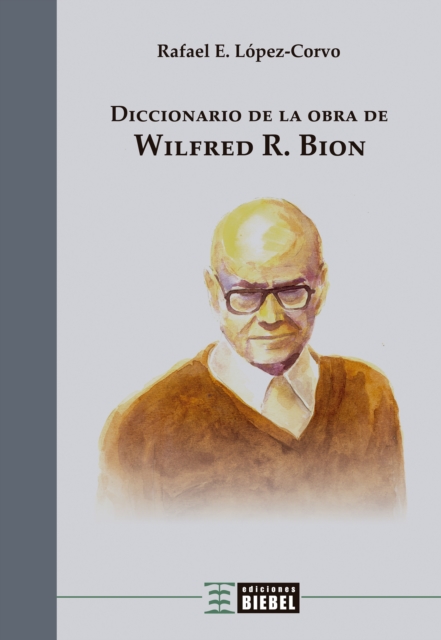
En este libro profundo, novedoso y provocador, los autores abordan la obra de Bion con una visión evolutiva, señalando las aperturas de pensamiento que lo colocaron mucho más allá de su tiempo.