This book explores organizations as not simply rational, technological structures and networks for organizing people around tasks and services; it defines organizations as relational, experiential, and perceptual systems.
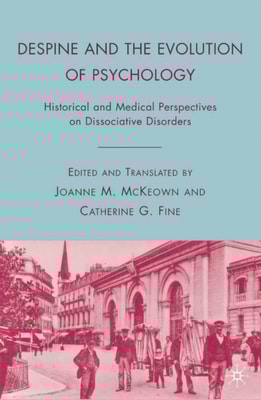
An annotated edition of a landmark study in the history of psychology, including extensive essays and other critical apparatus that place Antoine Despine's work in its proper historical and scientific context.
Using Lacanian psychoanalysis and queer theory to explore the unstable relationship between heterosexual masculine identity and cultural representation, this book examines the ways straight men are queered and abjected in literature, theory, and film.
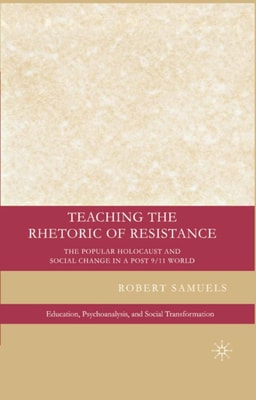
Analyzes diverse contemporary reactions to the depiction of the Holocaust and other cultural traumas in museums, movies, television shows, classroom discussions, and bestselling books.
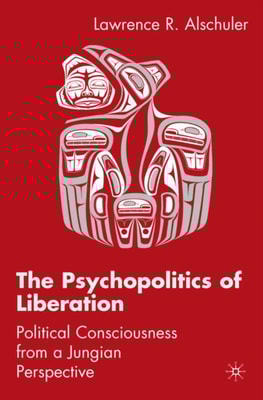
Explaining changes in the political consciousness of the oppressed using the ideas of Paulo Freire, Albert Memmi, and Jungian psychology, this original book explores how psychological bonds of oppression are broken and offers a psychopolitical theory for the analysis of the autobiographies of four Native people in Guatemala and Canada.
Applying ideas drawn from contemporary critical theory this book historicizes psychoanalysis through a new, and significant, theorization of the Gothic.
This book is about the development of psychoanalysis and modern subjectivity in Japan, and addresses three key questions: 'Why is there psychoanalysis in Japan?
Using work produced from the critical and postmodern arena in social sciences, this book examines three key areas - representation, identities and practice - to explore and interrogate how body and weight management, subjectivities, experiences and practices are constituted within and by the normative discourses of contemporary western culture.
Leading international scholars present novel dialogues between different psychoanalytic orientations as well as between the particularities of diverse socio-cultural and historical contexts in order to offer critical insights which are highly relevant to the current intellectual debates and social praxis.
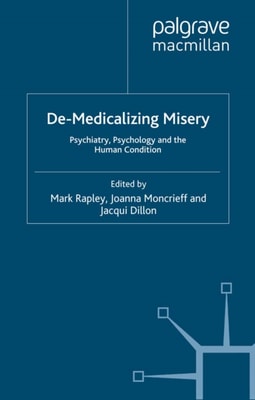
Psychiatry and psychology have constructed a mental health system that does no justice to the problems it claims to understand and creates multiple problems for its users.
Can postmodern accounts of the gaze - deriving from the psychoanalytic theories of Freud, Lacan, Fanon, and Riviere - tell us anything about those structures of vision prior to, and repressed by, modernity?
Dynamic Psychology in Modernist British Fiction argues that literary critics have tended to distort the impact of pre-Freudian psychological discourses, including psychical research, on Modern British Fiction.
Rob White reconsiders Freud's controversial theory of inherited memory, referring it both to Anglo-American commentary and post-structuralist work on psychoanalysis.
Understanding People provides an overview and critique of current psychological assumptions about people and what differentiates them, and replaces them with a set of ideas taken from social constructionism.
Around the world and throughout history, in cultures as diverse as ancient Mesopotamia and modern America, human beings have been compelled by belief in gods and developed complex religions around them.
If you feel you are no longer in control of your behavior, that your actions may have interfered with your family, social, or working life, this workbook can help you take back control.
Why do religious people believe what they shouldn't -- not what others think they shouldn't believe, but things that don't accord with their own avowed religious beliefs?
The Coping Power Program is designed for use with preadolescent and early adolescent aggressive children and their parents and is often delivered near the time of children's transition to middle school.
Around the world and throughout history, in cultures as diverse as ancient Mesopotamia and modern America, human beings have been compelled by belief in gods and developed complex religions around them.
Jacques Lacan and Michel Foucault are often cast as intellectual adversaries, their legacies marked by differences in method, lineages, and analytical priorities.