'An inspirational call to arms' DAILY MAIL'This book is so sensible, so substantially researched, so briskly written, so clear in its arguments, that one wishes Baroness Cavendish was still whispering into the prime ministerial ear' THE TIMES'A thoughtful handbook to help societies age gracefully' FINANCIAL TIMES'This bold, visionary book is a wake-up call to governments.
The Age-Well Project dived deep into the science of ageing well, and authors Annabel and Susan explained how they overhauled their own lives to prioritise healthy longevity.
From Cameron Diaz, the #1 New York Times bestselling author of The Body Book, comes a fresh, personal, and authoritative examination of the art and science of growing older and a roadmap for abundant health and resilience as we age.
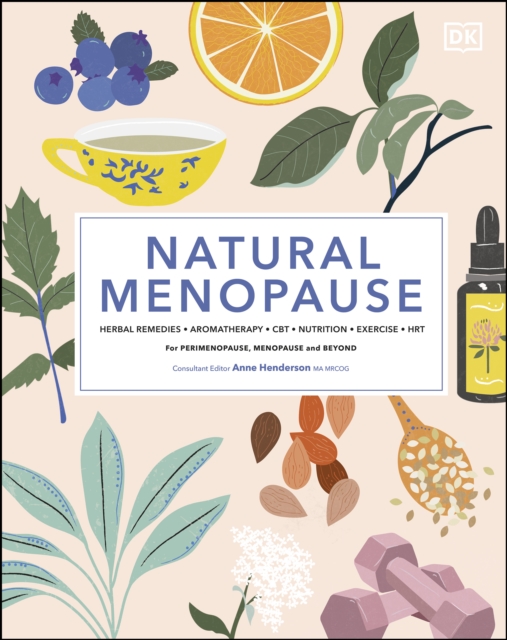
Understand the menopause with all its changes and challenges and choose practices and treatments, brought to you by a team of experts, to make this next stage in your wellness journey healthy and positive.
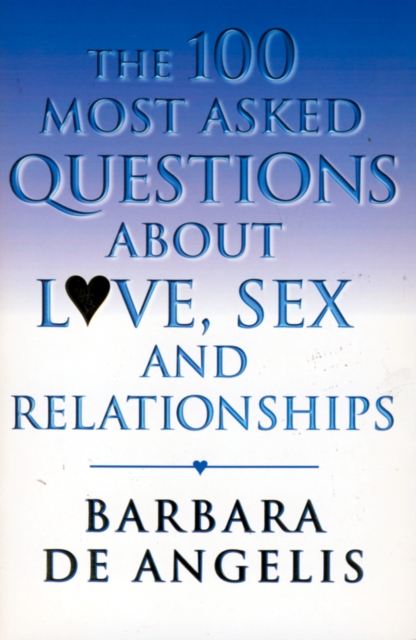
Over the years, as a relationships counsellor, Barbara De Angelis was asked many questions - the most common of which appear in this book to give a rounded, useful and dip-into quality to this excellent book.
Number 1 bestselling author, Cathy Glass, shares her experience and expertise gained across 25 years as a foster carer in this brilliantly practical self-help guide for adults.
Winner of the 2002 BMA Popular Medicine Book Prize: This is a haunting literary and scientific examination of Alzheimer's disease and the race to find a cure.
International bestselling authors of YOU: The Owner's Manual and YOU: On a Diet give you all the tools and know-how to stay young and defy the ageing process.
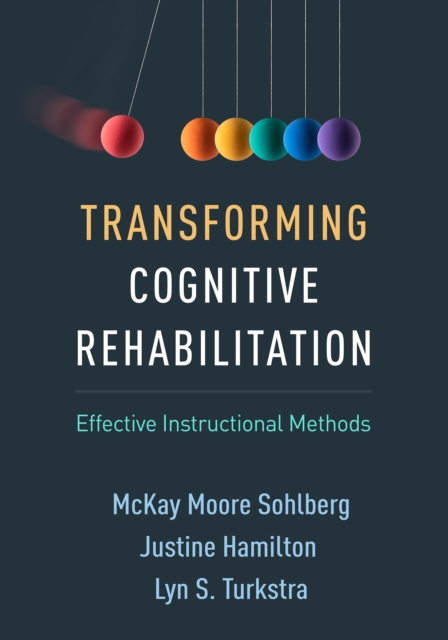
Grounded in cutting-edge knowledge about cognitive function and recovery from brain injury, this practical reference and text builds on the authors influential earlier work, Optimizing Cognitive Rehabilitation.
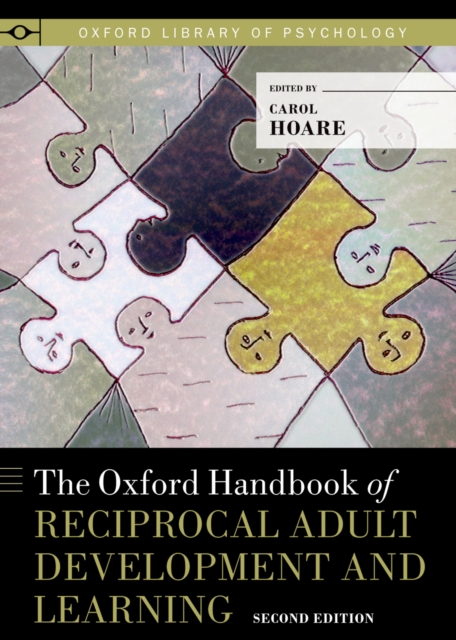
One of the "e;Best Books of 2011"e; from the Center for Optimal Adult DevelopmentThe fields of adult development and the study of learning have traditionally been considered separate, with development falling under psychology and learning under education.
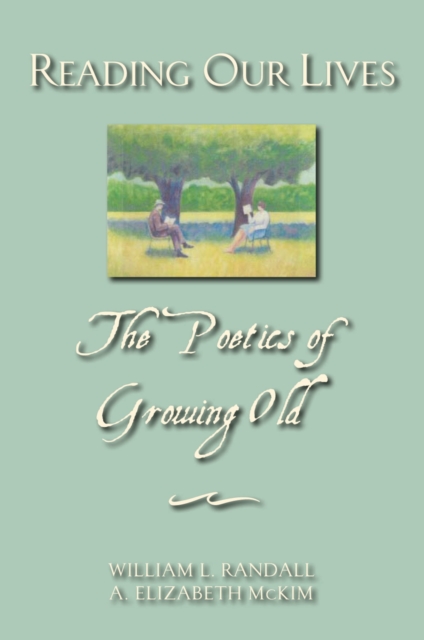
Against the background of Socrates' insight that the unexamined life is not worth living, Reading Our Lives: The Poetics of Growing Old investigates the often overlooked inside dimensions of aging.
The Elements of Cognitive Aging provides a qualitative overview (mostly using graphical meta-analysis) of the vast literature on aging and speeded tasks-bringing together, for the first time, almost everything we know about aging and processing speed.
The fears of aging have been one long cascading domino effect through the years: twenty year-olds dread thirty; forty year-olds fear fifty; sixty fears seventy, and so it goes.
The fears of aging have been one long cascading domino effect through the years: twenty year-olds dread thirty; forty year-olds fear fifty; sixty fears seventy, and so it goes.
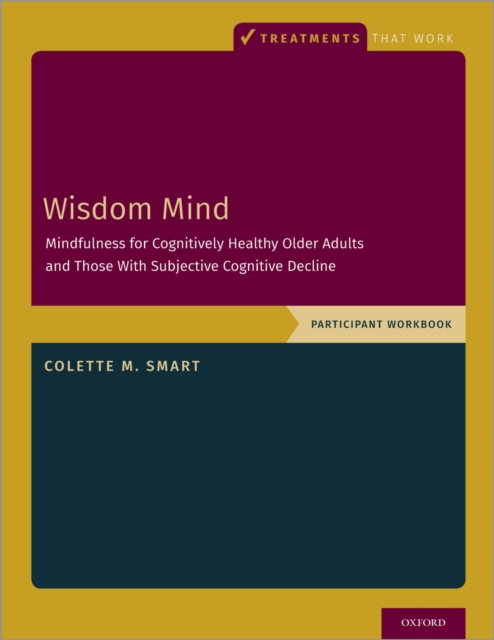
Wisdom Mind is a scientifically tested mindfulness program for older adults - those who are cognitively healthy, as well as those who may be experiencing what is referred to as subjective cognitive decline.
Wisdom Mind is a scientifically tested mindfulness program for older adults - those who are cognitively healthy, as well as those who may be experiencing what is referred to as subjective cognitive decline.
Healthy ageing has long been a neglected area of epidemiological research as the traditional focus has been on specific chronic diseases of older life.
Healthy ageing has long been a neglected area of epidemiological research as the traditional focus has been on specific chronic diseases of older life.
Evidence Based Treatment with Older Adults: Theory, Practice, and Research provides a detailed examination of five research-supported psychosocial interventions for use with older adults: cognitive behavioral therapy, motivational interviewing, life review/reminiscence, problem solving therapy, and psychoeducational/social support approaches.