Imaginationsübungen wirken sich nicht nur bei Traumapatienten positiv aus, auch alten Menschen helfen sie gegen depressive Gefühle, Einsamkeit und Schmerz.
Imaginationsübungen wirken sich nicht nur bei Traumapatienten positiv aus, auch alten Menschen helfen sie gegen depressive Gefühle, Einsamkeit und Schmerz.
Teil zwei der vorliegenden Autobiografie über den Lebensweg einer traumatisierten Kindheit mit Fokus auf sexuellen Missbrauch schließt an die Befreiung an, mit der Teil eins geendet ist.
This book describes how assistive technology can help handicapped, elderly and acutely sick people to manage their daily lives better and stay safe in the home.
This book is concerned with people who are approaching the end of their lives, as well as with the personal and professional caregivers who accompany them during this last stage.
This book is concerned with people who are approaching the end of their lives, as well as with the personal and professional caregivers who accompany them during this last stage.
Um in der aktuell sehr schnelllebigen Zeit mithalten zu können, ist ein offensiver und konstruktiver Umgang mit Veränderungen unserer sozialen Umwelt, speziell mit der fortschreitenden digitalen Entwicklung notwendig.
Um in der aktuell sehr schnelllebigen Zeit mithalten zu können, ist ein offensiver und konstruktiver Umgang mit Veränderungen unserer sozialen Umwelt, speziell mit der fortschreitenden digitalen Entwicklung notwendig.
Der Band führt in die Grundlagen der Kritischen Gerontologie ein und spannt dabei den Bogen von ihrer Theoriegeschichte bis zur Anwendung in der Praxis Sozialer Arbeit.
Der Band führt in die Grundlagen der Kritischen Gerontologie ein und spannt dabei den Bogen von ihrer Theoriegeschichte bis zur Anwendung in der Praxis Sozialer Arbeit.
Originally published in 1985, the chapters in this book were, with two exceptions, first prepared for and discussed at a monthly research seminar series on Hearing Loss in Adulthood during the 1983-1984 academic year.
Mit über neunzig Jahren wendet sich Margarete Mitscherlich, die Grande Dame der deutschen Psychoanalyse, die unermüdliche Aufklärerin, mit großer Entschiedenheit nochmals den großen Fragen ihres Lebens zu: Dem Vergessen und Verdrängen und der Unfähigkeit der Deutschen zu trauern; der Emanzipation im weitesten Sinne, also der Befreiung von Denkeinschränkungen, Vorurteilen, Ideologien, aber auch im engeren Sinne der Emanzipation der Frau und ihrer Stellung in der Gesellschaft; den Geschlechterrollen, männlichen und weiblichen Werten.
Hypnosystemische Therapie, Beratung, Supervision, Coaching - interessante einführende Artikel und Erfahrungsberichte von Experten zum Thema Konzepte und Methoden aus dem Bereich hypnotherapeutischer und systemischer Methoden.
A NEW YORK TIMES BESTSELLER One of the world's legendary artists and bestselling author of The Creative Habit shares her secretsfrom insight to actionfor harnessing vitality, finding purpose as you age, and expanding one's possibilities over the course of a lifetime in her newest New York Times bestseller Keep It Moving.
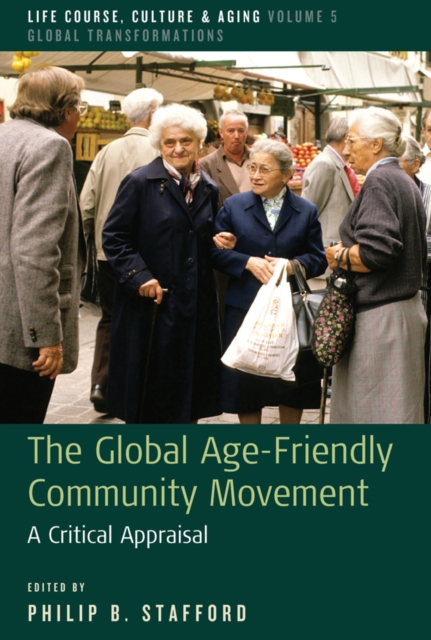
The age-friendly community movement is a global phenomenon, currently growing with the support of the WHO and multiple international and national organizations in the field of aging.
THE NEW YORK TIMES BESTSELLERIn addition to natural wear and tear that our bodies experience, environmental toxins accumulate in our cells, accelerating the signs of aging.
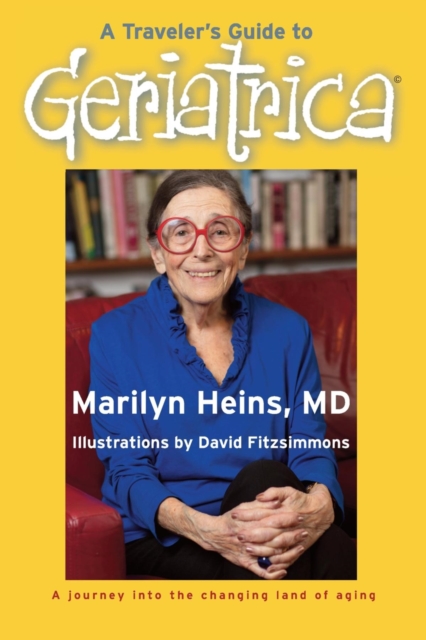
Newspaper columnist and beloved pediatrician, Marilyn Heins, MD, has fashioned a pathway through the transformative senior years of life after having entered the octogenarian years, herself.
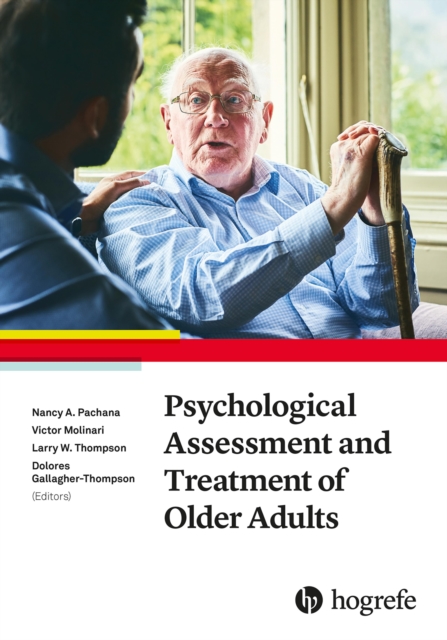
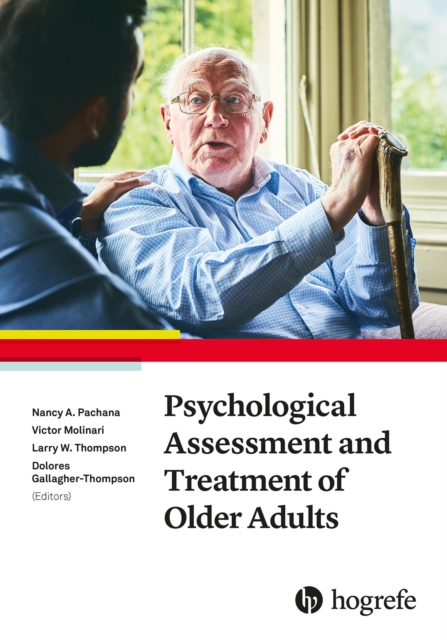
Learn about the key issues when assessing and treating older adults with mental health problems:- Expert guidance through the key topics- Highlights the best assessment and treatment practices- Addresses diversity, ethical, and health system issues- Full of real-life case examples- Resources in the appendix to test your knowledgeMore about the bookMental health practitioners are encountering an ever-growing number of older adults and so an up-to-date and comprehensive text addressing the special considerations that arise in the psychological assessment and treatment of this population is vital.
Learn about the key issues when assessing and treating older adults with mental health problems:- Expert guidance through the key topics- Highlights the best assessment and treatment practices- Addresses diversity, ethical, and health system issues- Full of real-life case examples- Resources in the appendix to test your knowledgeMore about the bookMental health practitioners are encountering an ever-growing number of older adults and so an up-to-date and comprehensive text addressing the special considerations that arise in the psychological assessment and treatment of this population is vital.