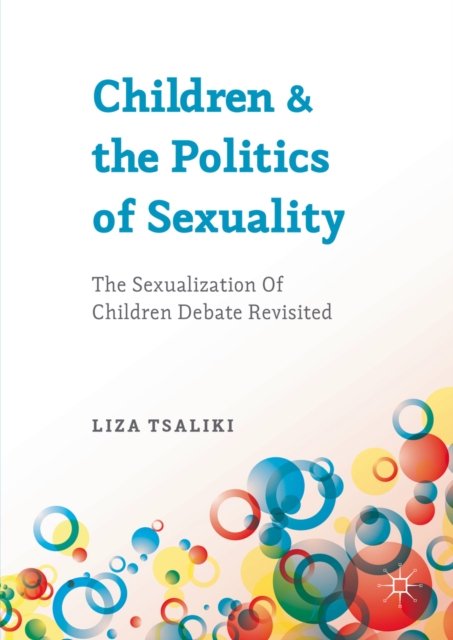
This book discusses already established accounts about the sexualization of children through a theoretical and an empirical framework which bring together popular culture, consumption, sexuality, selfhood and childhood.
This volume explores the impact of sexological and early psychoanalytic conceptions of sexual perversion on the representation of the erotic in the work of a range of major European modernists (including Joyce, Kafka, Lawrence, Mann, Proust and Rilke) as well as in that of some less-well-known figures of the period such as Dujardin and Jahnn.
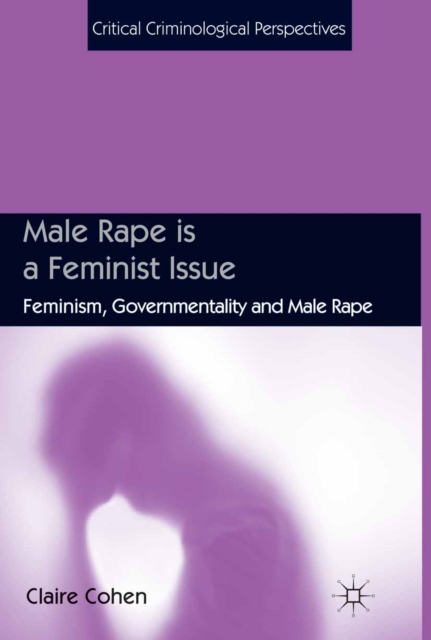
This book seeks to problematize knowledge and practices regarding 'male rape' and its relationship to feminism, examining this issue from a Foucauldian perspective.
Why human biology is far more expansive than the simple categories of female and maleBeing human entails an astonishingly complex interplay of biology and culture, and while there are important differences between women and men, there is a lot more variation and overlap than we may realize.
Although scholarly examinations of privilege have increased in recent decades, an emphasis on privilege studies pedagogy remains lacking within institutions.
Although scholarly examinations of privilege have increased in recent decades, an emphasis on privilege studies pedagogy remains lacking within institutions.
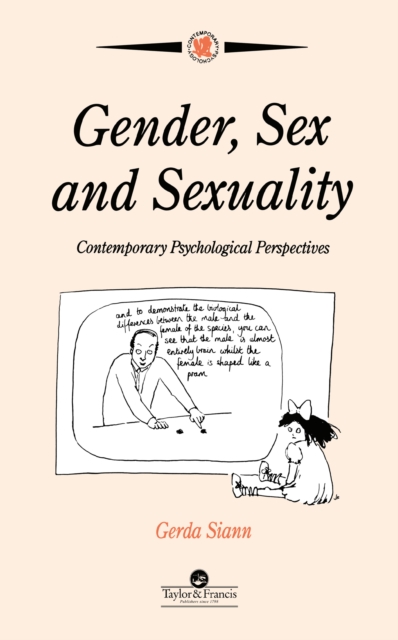
For some time sex has been defined as the biological difference between men and women, and gender as the manner in which culture defines and constrains these differences.
For some time sex has been defined as the biological difference between men and women, and gender as the manner in which culture defines and constrains these differences.
Cognition, Communication, and Romantic Relationships focuses on the role of memory, communication, and social cognition in the development of romantic relationships.
Cognition, Communication, and Romantic Relationships focuses on the role of memory, communication, and social cognition in the development of romantic relationships.
This book draws on interviews carried out over a period of eight years, as well as novels, films, and domestic violence literature, to explain the role of storytelling in the history of the battered women's movement.
This book draws on interviews carried out over a period of eight years, as well as novels, films, and domestic violence literature, to explain the role of storytelling in the history of the battered women's movement.
The subgroup of males with eating disorders has been understudied, and this book presents the most comprehensive look at this topic since Arnold Andersen edited the text Males with Eating Disorders in 1990.
The subgroup of males with eating disorders has been understudied, and this book presents the most comprehensive look at this topic since Arnold Andersen edited the text Males with Eating Disorders in 1990.
Psychology has had a number of things to say about black and coloured people, none of them favourable, and most of which have reinforced stereotyped and derogatory images.
Psychology has had a number of things to say about black and coloured people, none of them favourable, and most of which have reinforced stereotyped and derogatory images.
This issue explores some of the ways in which gender, as a social construction, might be rooted in and contingent on conversational processes in childhood.
This issue explores some of the ways in which gender, as a social construction, might be rooted in and contingent on conversational processes in childhood.
Why human biology is far more expansive than the simple categories of female and maleBeing human entails an astonishingly complex interplay of biology and culture, and while there are important differences between women and men, there is a lot more variation and overlap than we may realize.
Over the past decade there have been significant shifts both in feminist approaches to the field of eating disorders and in the ways in which gender, bodies, body weight, body management and food are understood, represented and regulated within the dominant cultural milieus of the early twenty-first century.
Over the past decade there have been significant shifts both in feminist approaches to the field of eating disorders and in the ways in which gender, bodies, body weight, body management and food are understood, represented and regulated within the dominant cultural milieus of the early twenty-first century.