Studienarbeit aus dem Jahr 2021 im Fachbereich Psychologie - Sonstiges, Note: 1,0, SRH Hochschule Riedlingen (Psychologie), Veranstaltung: Klinische Psychologie III, Sprache: Deutsch, Abstract: Die vorliegende Hausarbeit beschäftigt sich zunächst mit dem vielfältigen Erscheinungsbild der Krankheit.
Bachelorarbeit aus dem Jahr 2021 im Fachbereich Führung und Personal - Sonstiges, Note: 1,3, Fachhochschule Amberg-Weiden (OTH Amberg-Weiden), Veranstaltung: Personalcontrolling, Sprache: Deutsch, Abstract: Das Ziel der vorliegenden Arbeit ist es, zu überprüfen, in wie weit Führungskräfte in Wirtschaftsunternehmen mit AmateurfußballtrainerInnen (AFT) in ihren Aufgaben, Zielen und Kompetenzen vergleichbar sind.
Studienarbeit aus dem Jahr 2020 im Fachbereich Psychologie - Sonstiges, Note: 1,3, SRH Fernhochschule, Sprache: Deutsch, Abstract: In der folgenden Arbeit wird die Rolle einzelner bildgebender Verfahren in der neuropsychologischen Forschung erläutert.
Essay aus dem Jahr 2021 im Fachbereich Psychologie - Allgemeines, Note: 1,0, Université du Luxembourg, Sprache: Deutsch, Abstract: In dieser Arbeit werde ich mich mit den Psychoanalytischen Aspekten der Träume und Wünsche befassen.
Studienarbeit aus dem Jahr 2020 im Fachbereich Führung und Personal - Mitarbeitermotivation, Mitarbeiterzufriedenheit, Note: 1,3, AKAD University, ehem.
Studienarbeit aus dem Jahr 2020 im Fachbereich BWL - Unternehmensführung, Management, Organisation, Note: 1,7, FOM Hochschule für Oekonomie & Management gemeinnützige GmbH, Nürnberg früher Fachhochschule, Veranstaltung: Vertriebsmanagement, Sprache: Deutsch, Abstract: Gegenstand der vorliegenden Arbeit sind Führungsansätze im Vertrieb.
Masterarbeit aus dem Jahr 2021 im Fachbereich Führung und Personal - Generation Y, Generation Z, Note: 1,00, Fachhochschule Wiener Neustadt, Sprache: Deutsch, Abstract: Der heimische Arbeitsmarkt steht aktuell vor einer großen Herausforderung.
Studienarbeit aus dem Jahr 2021 im Fachbereich Führung und Personal - Coaching, Note: 1,0, , Veranstaltung: Ausbildung zur/zum Psychologischen Berater/in (Personal Coach), Sprache: Deutsch, Abstract: Diese Arbeit fokussiert sich darauf, ein geeignetes Konzept aus der Positiven Psychologie zu identifizieren und daraus resultierend Interventionen vorzuschlagen, um Burnout-Erkrankungen in Unternehmen zu verhindern.
Studienarbeit aus dem Jahr 2021 im Fachbereich Psychologie - Allgemeines, Note: 1,7, Hamburger Fern-Hochschule, Sprache: Deutsch, Abstract: Rund um die Recherche zur Thematik des Neuro-Linguistischen Programmierens sind eine Vielzahl von Aussagen zu finden, die gegensätzlicher nicht sein könnten.
Studienarbeit aus dem Jahr 2020 im Fachbereich Pädagogik - Pädagogische Psychologie, Note: 1,0, Friedrich-Schiller-Universität Jena, Sprache: Deutsch, Abstract: Als Lehrer hat man es in der heutigen Zeit nicht einfach.
Studienarbeit aus dem Jahr 2021 im Fachbereich Psychologie - Sozialpsychologie, Note: 1,0, Hamburger Fern-Hochschule, Sprache: Deutsch, Abstract: Die Rolle des sozialen Miteinander in unserem täglichen Leben ist fundamental.
Studienarbeit aus dem Jahr 2020 im Fachbereich Psychologie - Wirtschaftspsychologie, Note: 1,3, Hochschule für Medien, Kommunikation und Wirtschaft, Veranstaltung: Wissenschaftliches Propädeutikum, Sprache: Deutsch, Abstract: Politische Werbung ist besonders in Zeiten des Wahlkampfes omnipräsent.
Studienarbeit aus dem Jahr 2021 im Fachbereich Psychologie - Klinische Psychologie, Psychopathologie, Prävention, Note: 1,0, Hamburger Fern-Hochschule, Sprache: Deutsch, Abstract: Aufgrund der immer noch unterschätzten Erkrankung Burnout wird das Thema in dieser Hausarbeit näher untersucht und es wird der Fragestellung nachgegangen: Welche geeigneten Präventionsmaßnahmen können zur Vorbeugung gegen Burnout bei Berufstätigen genutzt werden?
Tot un món de sensacions presenta un programa diari àmpliament desenvolupat i estructurat per a l'etapa evolutiva que comprèn des del naixement f ins als sis mesos, aproximadament.
Studienarbeit aus dem Jahr 2020 im Fachbereich Psychologie - Klinische Psychologie, Psychopathologie, Prävention, , Sprache: Deutsch, Abstract: Ungefähr 80 Prozent der Borderline-Betroffenen suchen im Laufe ihres Lebens psychiatrische oder psychotherapeutische Hilfe auf.
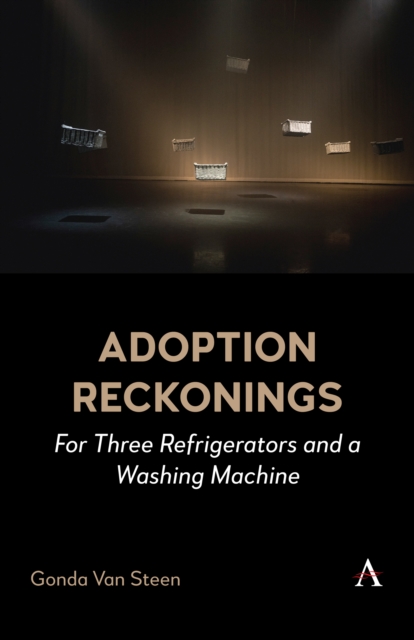
This book presents a new theater play, For Three Refrigerators and a Washing Machine, along with a thorough introduction that provides historical context and theoretical framing.
Studienarbeit aus dem Jahr 2023 im Fachbereich Führung und Personal - Employer Branding, Note: 3,0, Hochschule Fresenius; Köln (Online Plus), Sprache: Deutsch, Abstract: Diese Hausarbeit beschäftigt sich mit der Forschungsfrage „Wie können Firmen dem Fachkräftemangel mit gezielten Maßnahmen am Beispiel des Employer Branding entgegenwirken?
Studienarbeit aus dem Jahr 2020 im Fachbereich Psychologie - Wirtschaftspsychologie, Note: 1,3, Hochschule für angewandtes Management (Fachhochschule für angewandtes Management), Sprache: Deutsch, Abstract: Die Welt hat sich in den vergangenen Jahrzehnten gravierend verändert: Die zunehmende Globalisierung, die Digitalisierung und der demografische Wandel sind mittlerweile unabdingbare Entwicklungen in unserem alltäglichen Leben.
Studienarbeit aus dem Jahr 2023 im Fachbereich Psychologie - Allgemeines, Note: 1,7, SRH Fernhochschule, Veranstaltung: Allgemeine Psychologie I, Sprache: Deutsch, Abstract: Ein faszinierendes Rätsel des menschlichen Geistes liegt in der Art und Weise, wie wir die Welt um uns herum wahrnehmen.
En esta obra se ponen al día los principales conocimientos sobre el síndrome de desconexión cognitiva (SDC), un constructo psicológico emergente relacionado estrechamente con el trastorno por déficit de atención con o sin hiperactividad (TDAH).
En este manual se describen los fundamentos teóricos y la puesta en práctica del Programa PsicoObe, una herramienta de tratamiento psicológico novedosa e integradora, destinada a personas con sobrepeso u obesidad, que ha sido desarrollada basándose en la amplia experiencia profesional de sus autores.
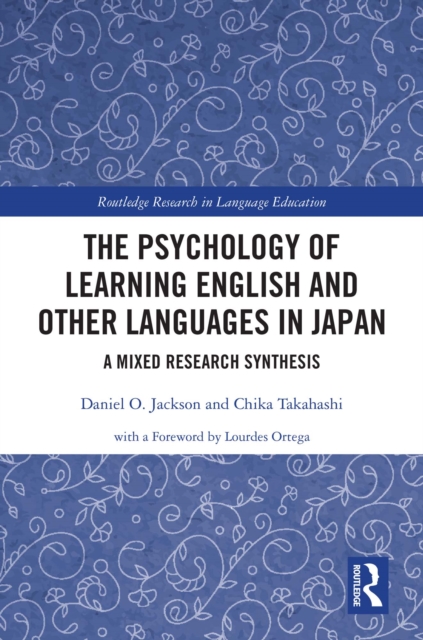
Through a mixed research synthesis of high-quality empirical studies, Jackson and Takahashi examine both widely reported and understudied psychological factors underlying foreign language learning in Japan, with an ecological approach framing the analysis.
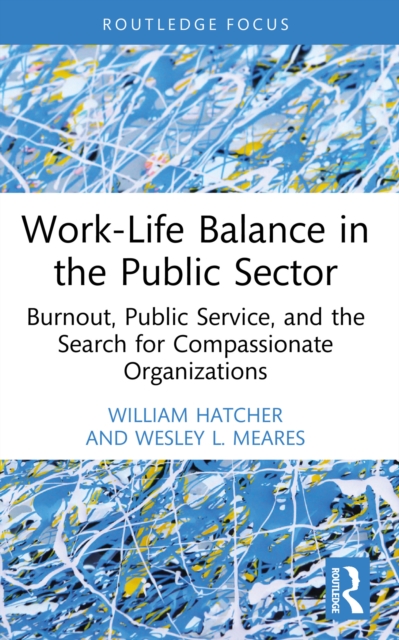
After decades of attacks on the bureaucracy and recent efforts by political leaders to undermine democracy, public servants are tired, burned out, and questioning the value of public service.
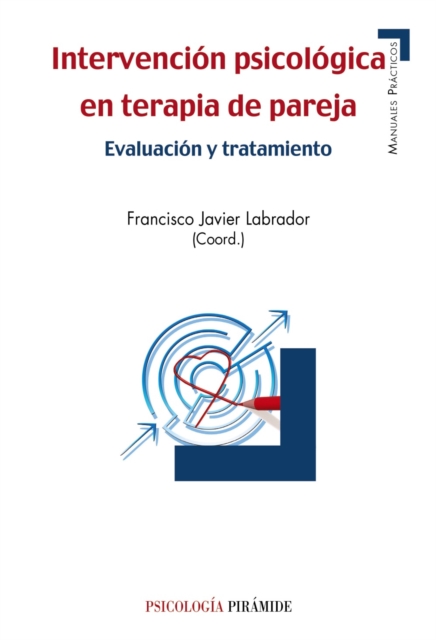
La vida en pareja es la opción mayoritariamente escogida por las personas adultas y la mantienen mientras estiman que obtienen más gratificaciones dentro de ésta que fuera.
Studienarbeit aus dem Jahr 2021 im Fachbereich Psychologie - Beratung und Therapie, Note: 1,6, Philipps-Universität Marburg, Sprache: Deutsch, Abstract: Diese Arbeit befasst sich ausführlich mit herausfordernden Situationen in der Onlineberatung aus Sicht von BeraterInnen.
Studienarbeit aus dem Jahr 2024 im Fachbereich Psychologie - Klinische Psychologie, Psychopathologie, Prävention, Note: 1,3, SRH Fernhochschule, Sprache: Deutsch, Abstract: Heutzutage sind pflegende Angehörige eine relevante Zielgruppe für die Gesundheitsförderung und -prävention von Senior*innen.
Black Market Intimacies reveals how illicit exchanges of money and commodities involving sexual encounters between Korean and Japanese women and US soldiers provided the material foundations of the regional economy across Korea and Japan during the Korean War.
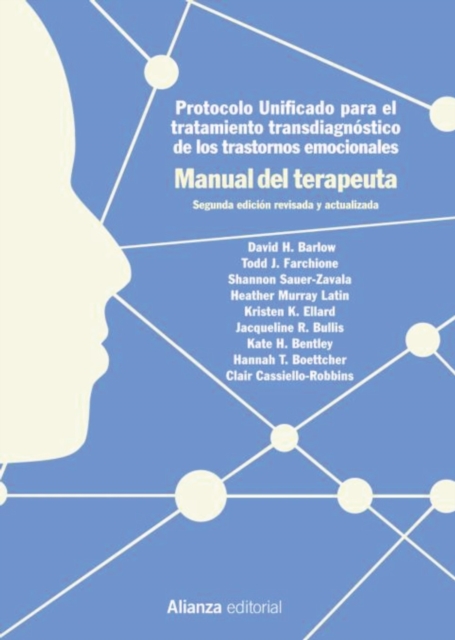
Esta segunda edición, revisada y ampliada, del "Protocolo Unificado para el tratamiento transdiagnóstico de los trastornos emocionales" (Manual del terapeuta y Manual del paciente) ha sido diseñada y desarrollada a partir de los últimos avances en programas de tratamiento basados en la evidencia, asentados en las investigaciones más actuales y en la evaluación terapéutica controlada con el mayor rigor clínico.
Studienarbeit aus dem Jahr 2024 im Fachbereich Führung und Personal - Personalführung, Note: 1,3, SRH Fernhochschule, Veranstaltung: Leadership / Mitarbeiterführung in dynamischen Zeiten, Sprache: Deutsch, Abstract: In der heutigen Arbeitswelt stehen Arbeitgeber vor der Herausforderung, den sich ständig wandelnden Ansprüchen ihrer Mitarbeiter gerecht zu werden, insbesondere vor dem Hintergrund des demografischen Wandels.
Fruto de un nutrido grupo de especialistas que han creado una obra inteligente y práctica, Competencias sociales en las relaciones interpersonales y grupales es un manual muy recomendable pues responde a las demandas de la actual sociedad del conocimiento y se fundamenta en métodos y principios básicos, que se traducen en procedimientos y técnicas empleadas, y proporciona criterios y condiciones de aplicabilidad que facilitan el desarrollo profesional del estudiante universitario.
Esta segunda edición, revisada y ampliada, del "Protocolo Unificado para el tratamiento transdiagnóstico de los trastornos emocionales" (Manual del terapeuta y Manual del paciente) ha sido diseñada y desarrollada a partir de los últimos avances en programas de tratamiento basados en la evidencia, asentados en las investigaciones más actuales y en la evaluación terapéutica controlada con el mayor rigor clínico.