Activists, policymakers, and scholars in the US have called for policy reform and evidence-based efforts to decrease the number of people in jail and prison, improve hostile police-community relations, and rollback the "e;tough on crime"e; movement.
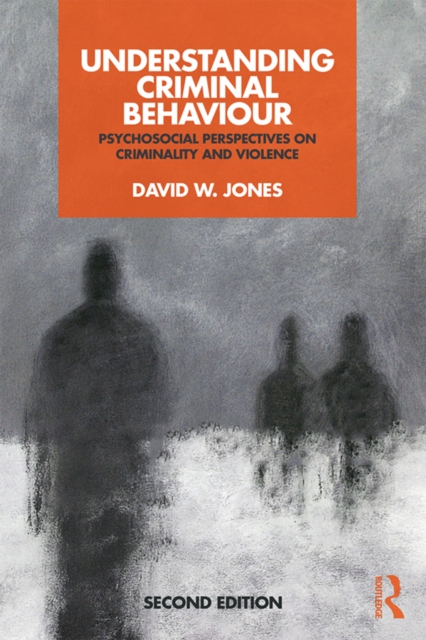
Our understanding of criminal behaviour and its causes has been too long damaged by the failure to integrate the emotional, psychological, social and cultural influences on the way people behave.
Our understanding of criminal behaviour and its causes has been too long damaged by the failure to integrate the emotional, psychological, social and cultural influences on the way people behave.
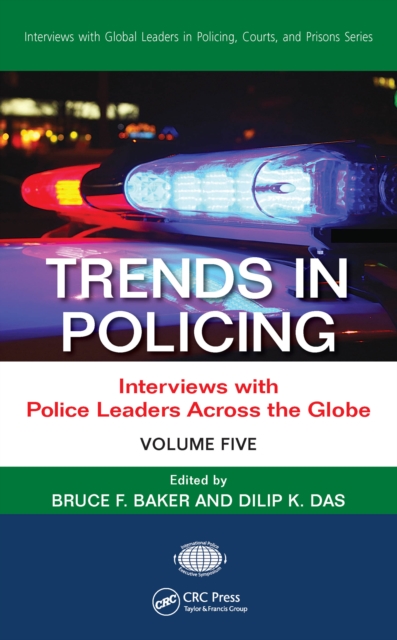
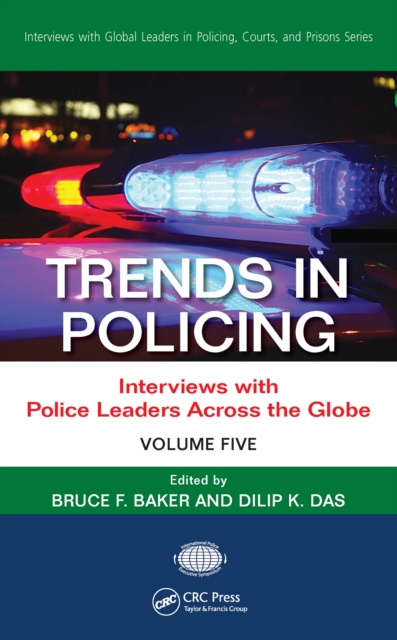
Trends in Policing: Interviews with Police Leaders Across the Globe, Volume Five, is based on the premise that police officials have a wealth of experience that can make significant contributions to our understanding of the prospects and problems of policing today.
Trends in Policing: Interviews with Police Leaders Across the Globe, Volume Five, is based on the premise that police officials have a wealth of experience that can make significant contributions to our understanding of the prospects and problems of policing today.
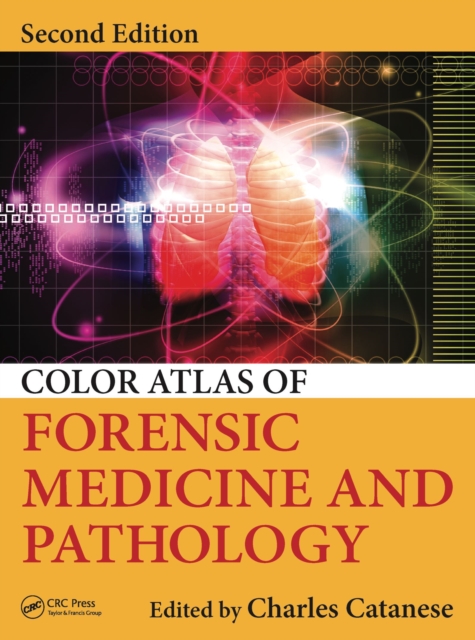
Now in its second edition, the best-selling Color Atlas of Forensic Medicine and Pathology is an easy-to-read reference covering forensic pathology principles, from basic to advanced concepts relating to all manners of death.
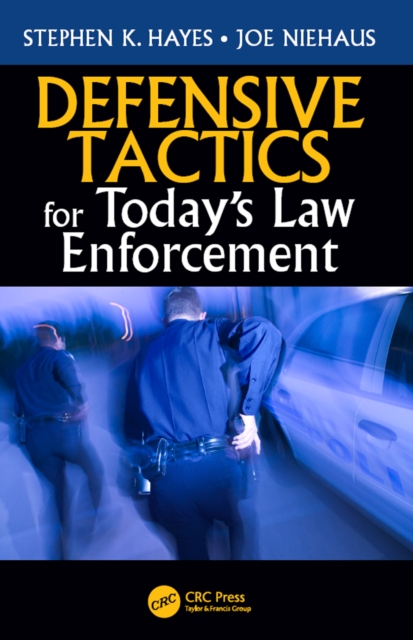
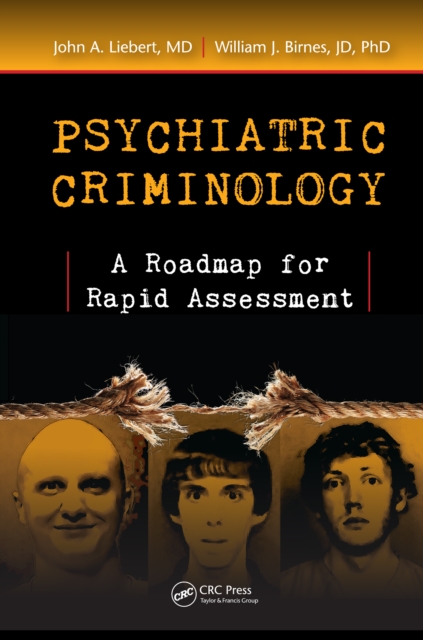
Since the shutdown of our public psychiatry system, the seriously mentally ill are now mostly managed by public safety officers, school officials, emergency first responders and social workers with little experience in recognizing symptoms, triggers and issues.
Based on peer-reviewed articles from the Second International Conference of the South Asian Society of Criminology and Victimology, Interpersonal Criminology investigates the roots of crime and victimization, rather than dissecting criminal behavior after the fact.
Inspired by the dialogue between practitioners and academics of nearly thirty countries, this edited volume includes updated articles on global crime prevention initiatives and best practices in building community resilience presented at the International Police Executive Symposium's (IPES) 25th annual meeting in Sofia, Bulgaria in 2014.
Crimes Against the Environment explains the seriousness of the threat posed by pollution, its roots, how it has evolved, how it differs across the planet, and how society has endeavored to create and enforce laws directed at its control.
Written by the world's leading expert on the Tokyo sarin attacks, Chemical and Biological Weapons and Terrorism is a comprehensive examination of the use, detection, and prevention of chemical and biological attacks.
FORENSIC SCIENCE: ADVANCED INVESTIGATIONS, COPYRIGHT UPDATE, 1E is part of a comprehensive course offering as a second-level high school course in forensic science, a course area in which students have the opportunity to expand their knowledge of chemistry, biology, physics, earth science, math, and psychology, as well as associate this knowledge with real-life applications.
Put ideas into practice using theoretical concepts and real-life examples The MBA Handbook, 9th Edition by Cameron is a vital resource for MBA and other postgraduate management students to gain maximum learning benefit from their programme.
Defining Crime explores the limitations of the legal definition of crime, how that politically based definition has shaped criminological research, and why criminologists must redefine crime to include scientific objectivity.
Crime and Criminal Justice provides students with a comprehensive and engaging introduction to the study of criminology by taking an interdisciplinary approach to explaining criminal behaviour and criminal justice.
Crime and Criminal Justice provides students with a comprehensive and engaging introduction to the study of criminology by taking an interdisciplinary approach to explaining criminal behaviour and criminal justice.
This textbook discusses the role of community-oriented policing, including the police image, public expectations, ethics in law enforcement, community wellness, civilian review boards, and what the community can do to help decrease crime rates.
This textbook discusses the role of community-oriented policing, including the police image, public expectations, ethics in law enforcement, community wellness, civilian review boards, and what the community can do to help decrease crime rates.
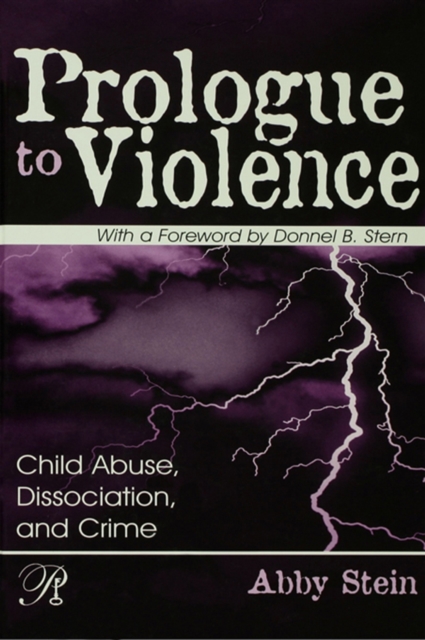
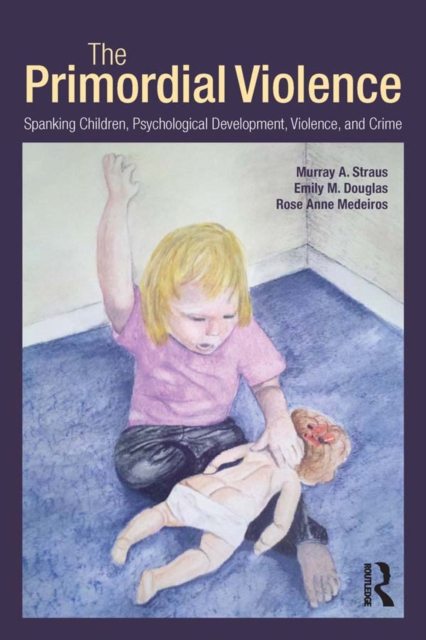
Despite mounting references to the "e;transgenerational transmission of violence,"e; we still lack a compelling understanding of the linkage between the interpersonal violence of early life and the criminal violence of adulthood.
Despite mounting references to the "e;transgenerational transmission of violence,"e; we still lack a compelling understanding of the linkage between the interpersonal violence of early life and the criminal violence of adulthood.
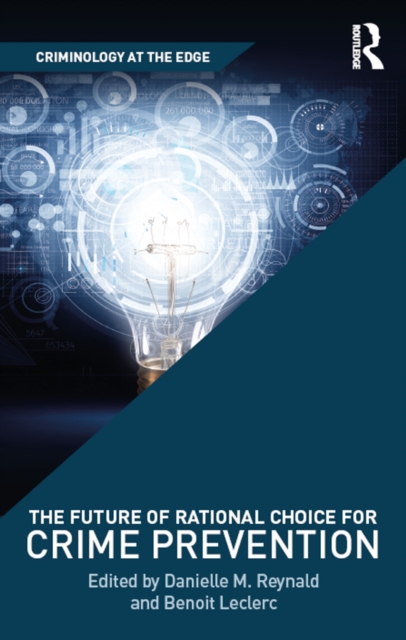
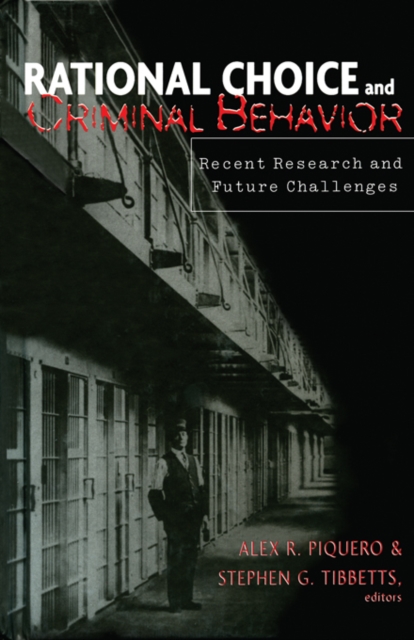
Rational Choice and Criminal Behavior"e; is a collection of essays by experts in the field of criminal justice examines various aspects of the rational choice framework, which deals with the degree to which criminal behavior represents a rational choice.
Bio-Privacy: Privacy Regulations and the Challenge of Biometrics provides an in-depth consideration of the legal issues posed by the use of biometric technology.
Bio-Privacy: Privacy Regulations and the Challenge of Biometrics provides an in-depth consideration of the legal issues posed by the use of biometric technology.
In recent years, the idea of emergence, which suggests that observed patterns in behavior and events are not fully reductive and stem from complex lower-level interactions, has begun to take hold in the social sciences.
In recent years, the idea of emergence, which suggests that observed patterns in behavior and events are not fully reductive and stem from complex lower-level interactions, has begun to take hold in the social sciences.