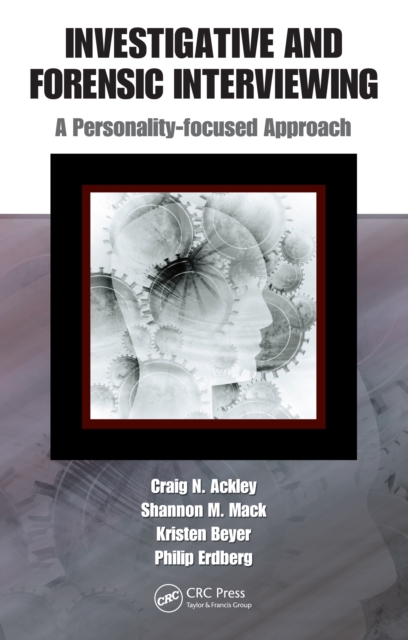
In high-profile investigations, when the suspect pool is very large, resources are unduly strained unless the pool can be narrowed down to the most likely offenders.
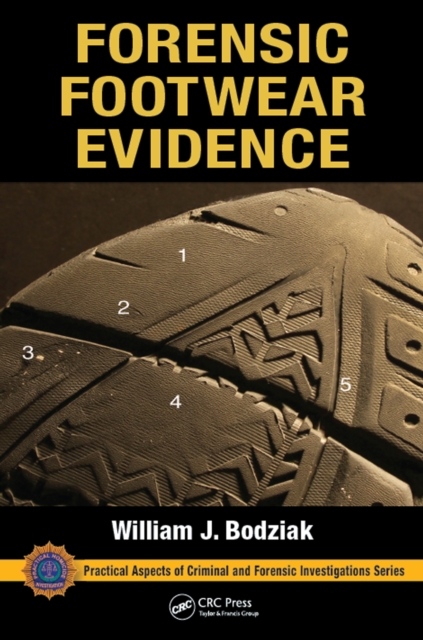
The utilization of footwear impression evidence continues to evolve with new materials, equipment and techniques, providing an increased ability to detect, record, enhance, and examine this form of evidence.
Now in its second edition, Nuclear Forensic Analysis provides a multidisciplinary reference for forensic scientists, analytical and nuclear chemists, and nuclear physicists in one convenient source.
A myriad of different scenarios await those entering the field of forensic pathology, ranging from gunshot wounds to asphyxiation to explosives to death from addiction.
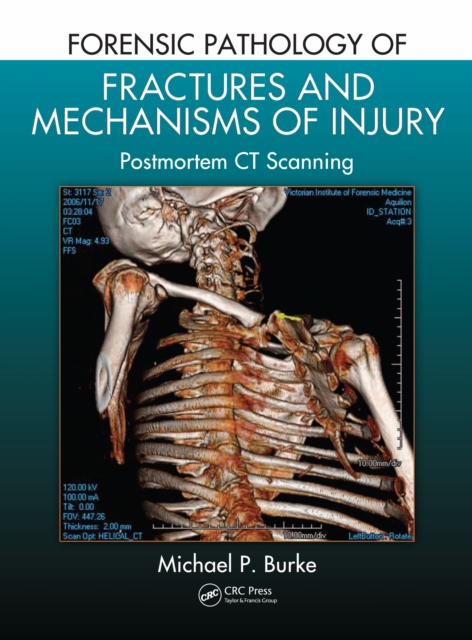
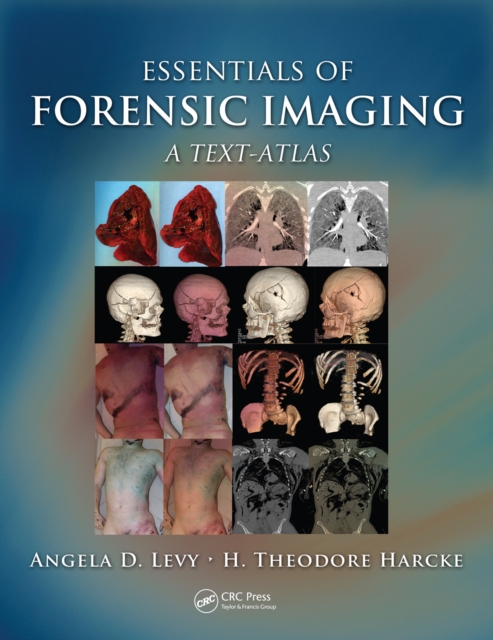
Practitioners of forensic medicine have various tools at their disposal to determine cause of death, and today's computed tomography (CT) can provide valuable clues if images are interpreted properly.
In cases where minimal or no physical evidence exists, behavioral evidence may be all that investigators have available to help them focus the investigation.
Drawn from case examples of incidents from around the world, Targeted Violence: A Statistical and Tactical Analysis of Assassinations, Contract Killings, and Kidnappings is the most complete resource of information on the attack methodologies, tactics used, and groups responsible for targeted killings and kidnappings.
In today's increasingly litigious society, the threat of a private investigator (PI) being hit with a civil lawsuit or even criminal charges is very real.
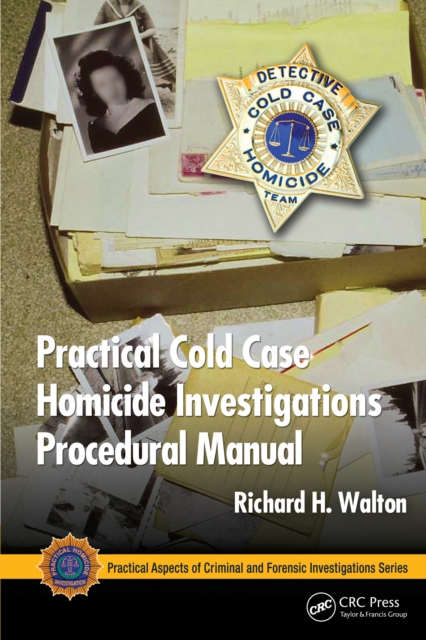
Designed for use by investigators in any agency, large or small, Practical Cold Case Homicide Investigations Procedural Manual provides an overview of the means and methods by which previously reported and investigated yet unresolved homicides might be solved.
A reference for law enforcement and security organizations tasked with protecting the welfare of an individual or groups of individuals, this volume offers suggestions and guidance for confronting high-threat scenarios as well as the more mundane protective details.
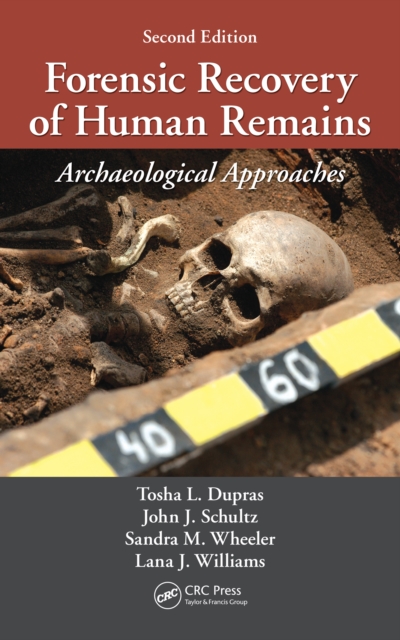
This reference, now in its second edition, is a comprehensive guide that focuses on the practical aspects of excavating and recovering human remains, as well as any associated evidence, from crime scenes.
The process of controlling criminal investigations is a complex matter, yet it has frequently been minimized or neglected in police management publications.
Updating and expanding information on concealment techniques, new technologies, hardware, software, and relevant new legislation, this second edition details scope of cyber forensics to reveal and track legal and illegal activity.
This bestselling second edition introduces new case studies to illustrate concepts explained in the text and includes information about eliminating accidental causes of fires and investigating fatal fires.
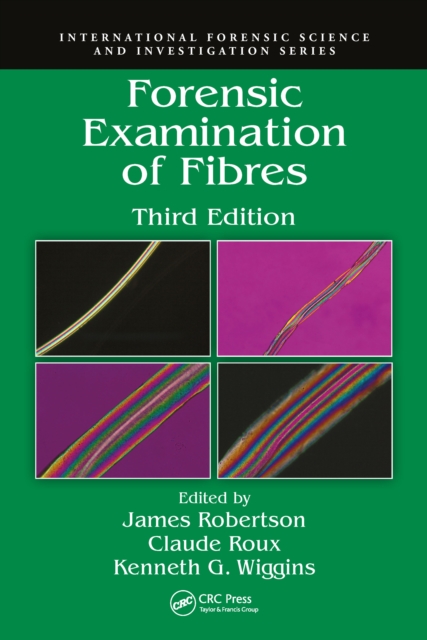
In order for forensic fibre examiners to fully utilize fibre and textile evidence during their analysis, they require not only specialised forensic knowledge but also in-depth knowledge of fibres, yarns and fabrics themselves.
From serial murderers to parents who kill, Fatal Violence: Case Studies and Analysis of Emerging Forms provides an insider's look at a phenomenon that has existed since the dawn of man and cuts across social/economic barriers and cultures.
As economic crimes continue to increase, accountants and law enforcement personnel must be vigilant in expanding their knowledge of ways to detect these clandestine operations.
As forensic human identification receives increased global attention, practitioners, policy makers, and students need an appropriate resource that describes current methods and modalities that have shaped today's policies and protocols.
Written in a simple, straightforward manner, this book will help today's criminal justice student better understand con law issues as well as the complicated development of constitutional rights and law.
Critical to the successful apprehension and prosecution of criminals, the job of collecting evidence at a crime scene requires knowledge, technical skills, patience, and perseverance.
While gun design has undergone only minimal change over the centuries, investigative tools surrounding firearm use have grown significantly in sophistication.
In today's increasingly litigious society, the threat of a private investigator (PI) being hit with a civil lawsuit or even criminal charges is very real.
When criminal activity is as straightforward as a childs game of cops and robbers, the role of the police is obvious, but today's bad guys don't always wear black.
Persons who design and lead worship will find this a practical and useful guide for Christ-centered healing ministry that can be easily adapted in a variety of settings.
As drug trafficking and the abuse of illicit drugs continue to inflict untold harm upon our society, it is clear that a global initiative and an intense domestic strategy are vital to address the sophisticated drug trafficking organizations (DTOs) that are prevalent in many regions.
Now in its second edition, Forensic Investigation of Explosions draws on the editor's 30 years of explosives casework experience, including his work on task forces set up to investigate major explosives incidents.
A laboratory companion to Forensic Science: An Introduction to Scientific and Investigative Techniques and other undergraduate texts, Forensic Science Laboratory Manual and Workbook, Third Edition provides a plethora of basic, hands-on experiments that can be completed with inexpensive and accessible instrumentation, making this an ideal workbook f
Increasing concerns about the accountability of criminal justice professionals at all levels has placed a heightened focus on the behavior of those who work in the system.
Frequently a substance found at a port of entry, waste site, laboratory triage facility, or even in a hazardous materials emergency will be labeled and purportedly identified.
The second handbook in the Shoham trilogy, which includes the esteemed International Handbook of Penology and Criminal Justice and the upcoming International Handbook of Victimology, this volume is a comprehensive treatment of criminology theory.
Investigative and Forensic Interviewing: A Personality-Focused Approach looks at the personality styles most commonly encountered in the criminal justice system and demonstrates how to use this insight to plan and conduct a productive interview.
Bringing the long tradition of radiologic pathologic correlation to forensic radiology and autopsy, this volume provides readers with a technical and interpretive foundation for applying modern cross-sectional imaging to forensic autopsy.