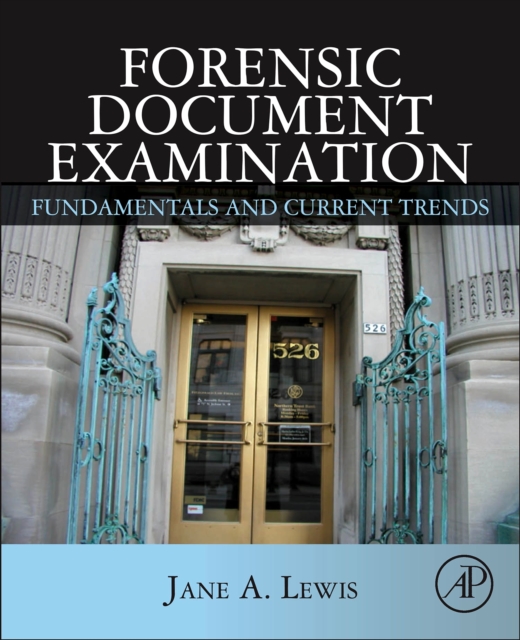
Forensic Document Examination enlightens forensic document examiners, forensic investigators, attorneys and others using the services of forensic document examiners with the basic principles and current trends in the area.
Kidnapping: An Investigator's Guide to Profiling is based on a three-part analysis of 100 randomly selected kidnapping cases prosecuted in the United States that have survived Supreme Court appeal.
Written by experts on the frontlines, Investigating Internet Crimes provides seasoned and new investigators with the background and tools they need to investigate crime occurring in the online world.
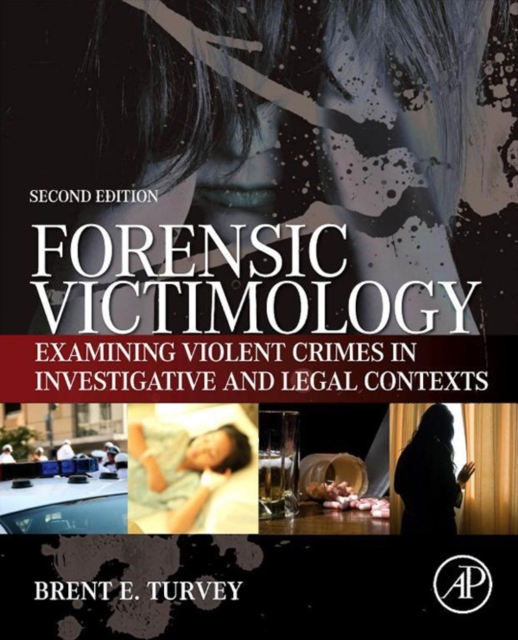
Published in 2009, the first edition of Forensic Victimology introduced criminologists and criminal investigators to the idea of systematically gathering and examining victim information for the purposes of addressing investigative and forensic issues.
Advanced Topics in Forensic DNA Typing: Interpretation builds upon the previous two editions of John Butler's internationally acclaimed Forensic DNA Typing textbook with forensic DNA analysts as its primary audience.
Computer Incident Response and Forensics Team Management provides security professionals with a complete handbook of computer incident response from the perspective of forensics team management.
The third edition of Introduction to Environmental Forensics is a state-of-the-art reference for the practicing environmental forensics consultant, regulator, student, academic, and scientist, with topics including compound-specific isotope analysis (CSIA), advanced multivariate statistical techniques, surrogate approaches for contaminant source identification and age dating, dendroecology, hydrofracking, releases from underground storage tanks and piping, and contaminant-transport modeling for forensic applications.
This textbook was developed from an idiom shared by the authors and contributors alike: ethics and ethical challenges are generally black and white - not gray.
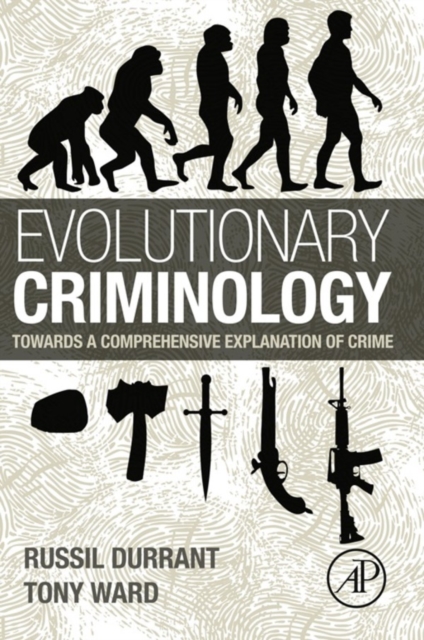
In our attempts to understand crime, researchers typically focus on proximate factors such as the psychology of offenders, their developmental history, and the social structure in which they are embedded.
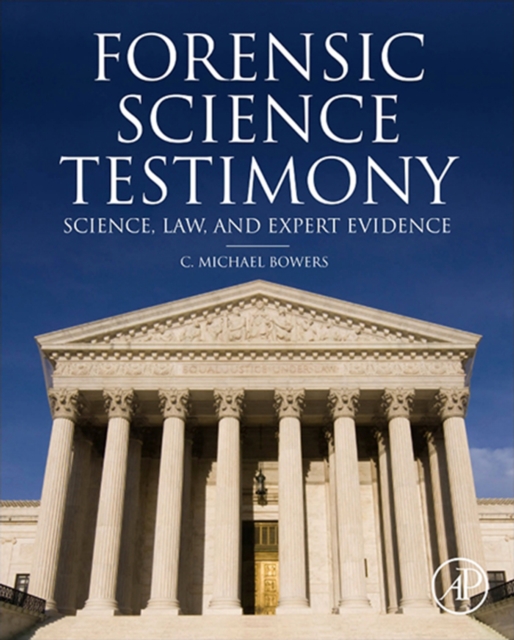
Forensic Testimony: Science, Law and Expert Evidence-favored with an Honorable Mention in Law & Legal Studies at the Association of American Publishers' 2015 PROSE Awards-provides a clear and intuitive discussion of the legal presentation of expert testimony.
DNA typing has revolutionized criminal investigations and has become a powerful tool in the identification of individuals in criminal and paternity cases.
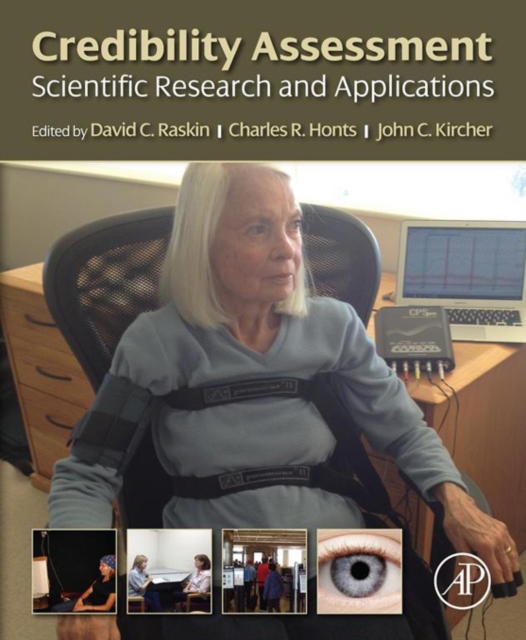
In 2001, the late Murray Kleiner and an array of experts contributed to the Handbook of Polygraph Testing, published by Elsevier, which examined the fundamental principles behind polygraph tests and reviewed the key tests and methods used at that time.
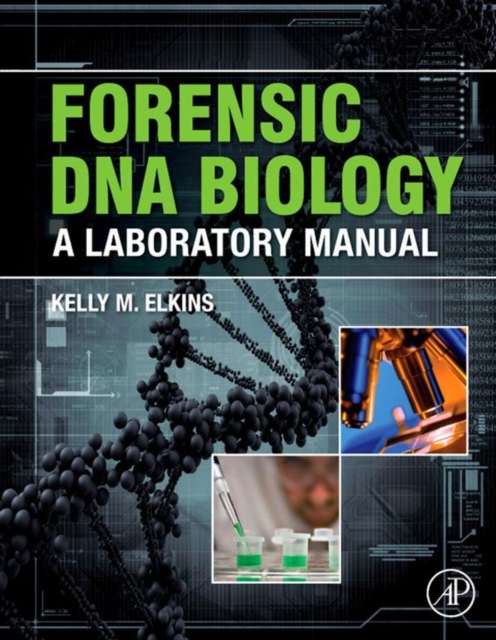
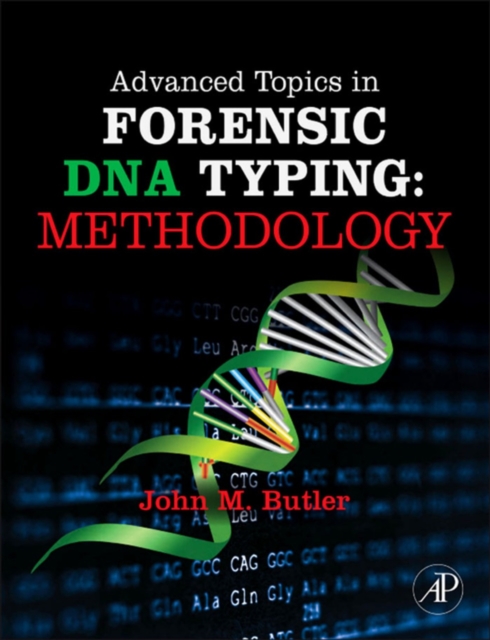
Intended as a companion to the Fundamentals of Forensic DNA Typing volume published in 2009, Advanced Topics in Forensic DNA Typing: Methodology contains 18 chapters with 4 appendices providing up-to-date coverage of essential topics in this important field and citation to more than 2800 articles and internet resources.
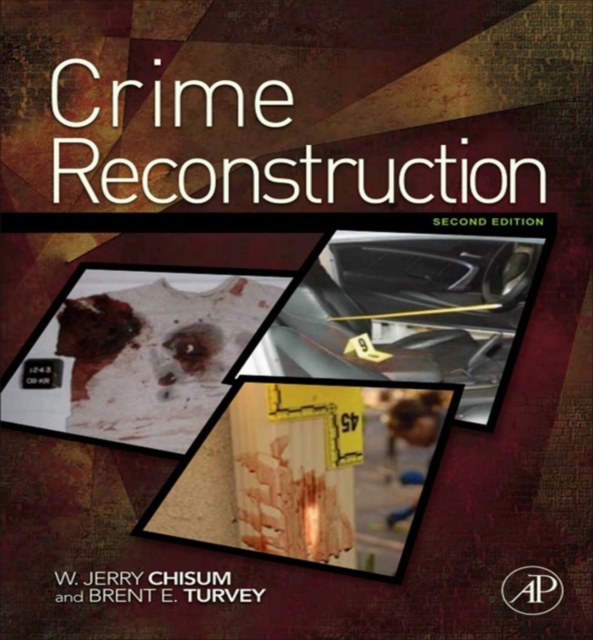
Crime Reconstruction, Second Edition is an updated guide to the interpretation of physical evidence, written for the advanced student of forensic science, the practicing forensic generalist and those with multiple forensic specialists.
Rape Investigation Handbook details specific investigative and forensic processes related to sex crimes casework invaluable to those in law enforcement, the legal community, and the private sector.
Cybercrime and Digital Deviance, Second Edition, combines insights from sociology, criminology, psychology, and cybersecurity to explore cybercrimes such as hacking, identity theft, and romance scams, along with forms of digital deviance such as pornography addiction, trolling, and a cancelinga people for perceived violations of norms.
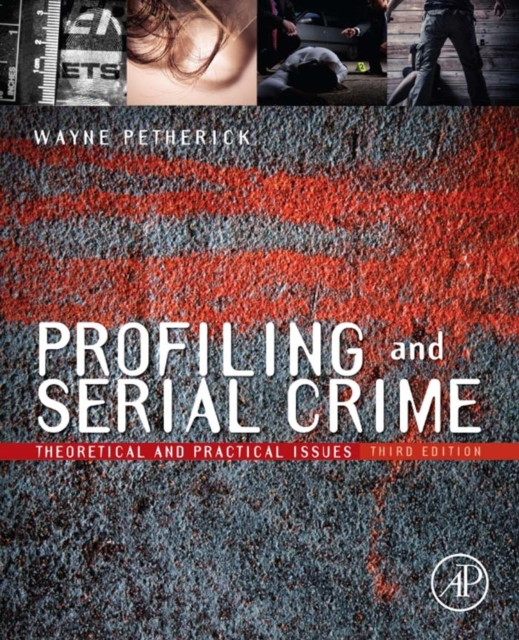
Focused on Behavioral Evidence Analysis (BEA), a method of criminal profiling developed and refined by the author over the past 15 years, the fourth edition of Criminal Profiling maintains the same core foundation that made previous editions best sellers in the professional and academic community worldwide.
This work will draw upon the expertise of the editors as authors and various contributors in order to present several different perspectives with the goal of approaching and understanding when ethical lines are crossed.
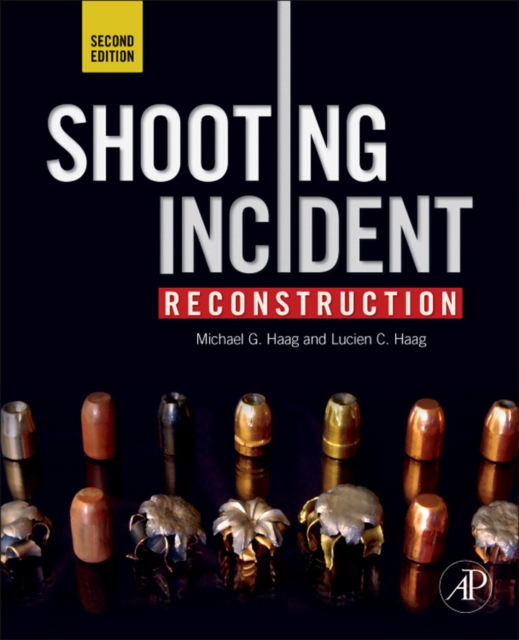
Shooting Incident Reconstruction, Second Edition, offers a thorough explanation of matters from simple to complex to help the reader understand the factors surrounding ballistics, trajectory, and shooting scenes.
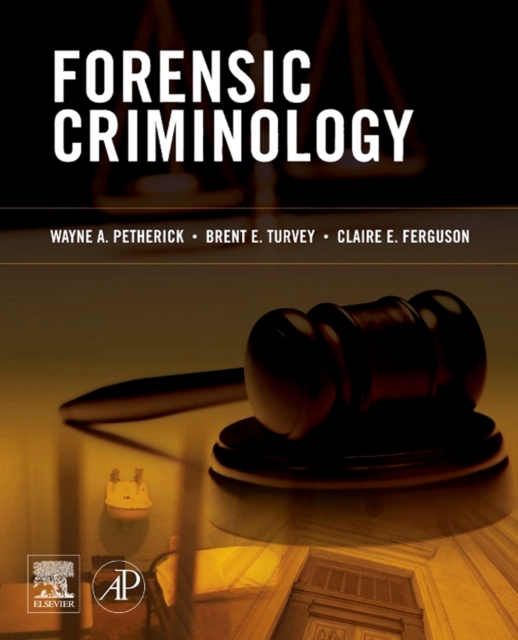
Forensic Criminology gives students of criminology and criminal justice an introduction to the forensic realm and the applied forensic issues they will face when working cases within the justice system.
The Bioarchaeology of Metabolic Bone Disease, Second Edition is a comprehensive source dedicated to better understanding this group of conditions that have significant consequences for health in both past and present communities on a global scale.
Evidence Found: An Approach to Crime Scene Investigation is not another analysis of forensic errors using an "e;After the Fact"e; or "e;Lessons Learned"e; approach but a "e;Before the Fact"e; guide that examines the thought processes that can lead to those mistakes.
In 1964 Ben Whitaker, who later defeated a former Home Secretary to become Hampstead's first ever Labour MP and a Junior Minister, wrote The Police to try and reconcile (in his own words) 'the very different impression police officers make when, as a barrister, one is defending from when one is prosecuting in court'.
In 1964 Ben Whitaker, who later defeated a former Home Secretary to become Hampstead's first ever Labour MP and a Junior Minister, wrote The Police to try and reconcile (in his own words) 'the very different impression police officers make when, as a barrister, one is defending from when one is prosecuting in court'.
Death Investigation: A Field Guide, Second Edition is updated and expanded to include a chronological analysis of the death scene investigative process from the first notification to the autopsy and final report.
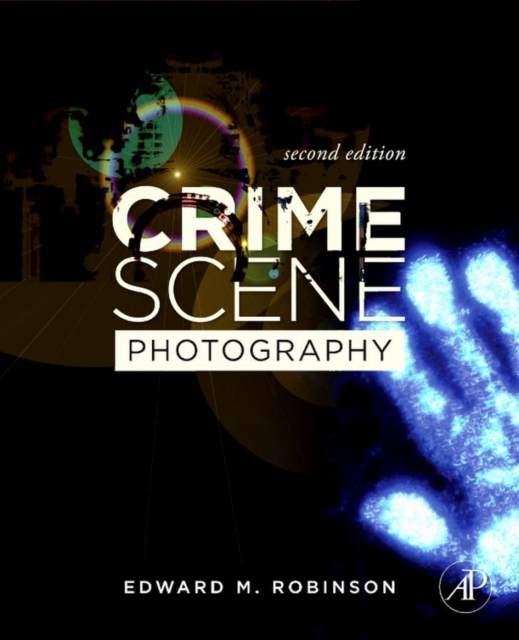
The ability to thoroughly and accurately photograph a crime scene is a mandate for all investigators, regardless of the time of day, weather conditions, or confines within which a piece of evidence is concealed.
The ability to thoroughly and accurately photograph a crime scene is a mandate for all investigators, regardless of the time of day, weather conditions, or confines within which a piece of evidence is concealed.
Introduction to Criminalistics covers the basics of Criminalistics in a textbook for a one or two semester course, with the intention of preparing the student for a future in forensic science.
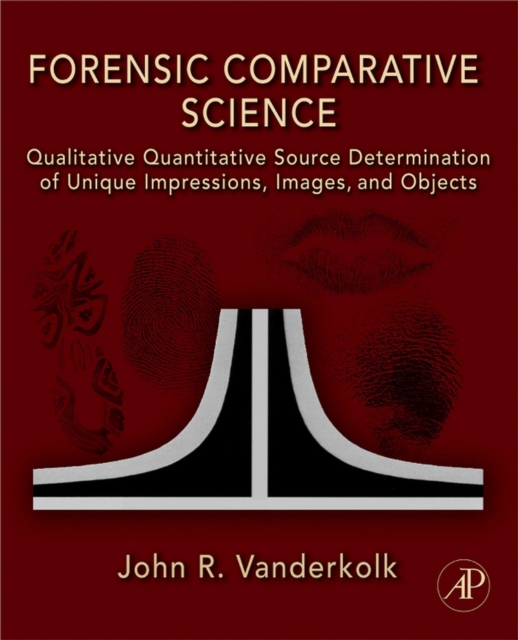
While there is no such thing as a perfect match in the field of forensic comparative science, Forensic Comparative Science: Qualitative Quantitative Source Determination of Unique Impressions, Images, and Objects provides the experience, understanding, and judgment, necessary for concluding whether two unique images share common origin from a unique and persistent source.
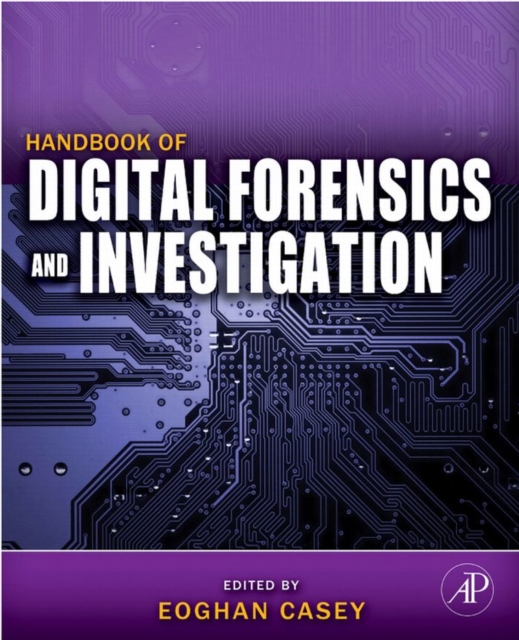
Handbook of Digital Forensics and Investigation builds on the success of the Handbook of Computer Crime Investigation, bringing together renowned experts in all areas of digital forensics and investigation to provide the consummate resource for practitioners in the field.
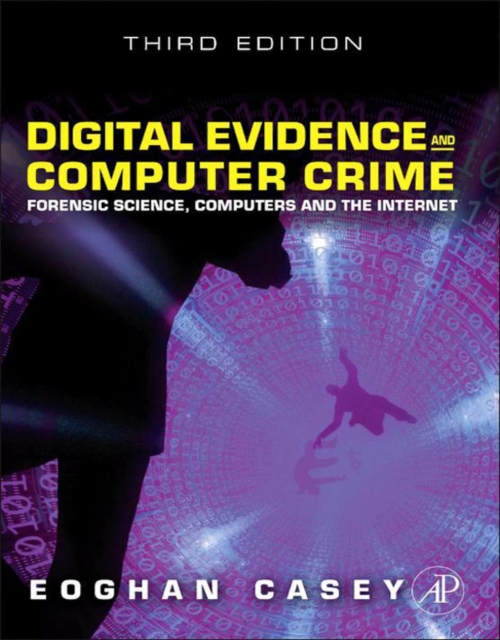
Digital Evidence and Computer Crime, Third Edition, provides the knowledge necessary to uncover and use digital evidence effectively in any kind of investigation.