The early 21st century saw better prison conditions and a lower imprisonment rate however public worry over supposed increasing violent crime as perpetuated by the media in the 1930's led to a return to harsher sentences and fuller prisons.
Young offenders given custodial sentences in youth institutions constitute an important group in the context of crime prevention research, given that offenders within this group are at high risk of reoffending or continuing with a criminal career into adulthood.
Young offenders given custodial sentences in youth institutions constitute an important group in the context of crime prevention research, given that offenders within this group are at high risk of reoffending or continuing with a criminal career into adulthood.
Female Crime, first published in 1987, surveys the major schools of criminology in order to explore the images of the female offender which underpin many contemporary crime theories.
Female Crime, first published in 1987, surveys the major schools of criminology in order to explore the images of the female offender which underpin many contemporary crime theories.
Focusing on the relationship between the micro level of perpetrator motivation and the macro level normative discourse, this book offers an in-depth explanation for the perpetration of genocide.
Despite broad scholarship documenting the compounding effects and self-reproducing character of incarceration, ways of conceptualising imprisonment and the post-prison experience have scarcely changed in over a century.
Despite broad scholarship documenting the compounding effects and self-reproducing character of incarceration, ways of conceptualising imprisonment and the post-prison experience have scarcely changed in over a century.
The role of education in prisons, prisoners' decisions regarding education, the impact of prison culture on either encouraging or discouraging such activities, and the potential consequences of education for prisoners' reentry into society all have important implications.
The role of education in prisons, prisoners' decisions regarding education, the impact of prison culture on either encouraging or discouraging such activities, and the potential consequences of education for prisoners' reentry into society all have important implications.
Drawing on a range of research and media sources to provide an international perspective on the topic of prison violence, this book focuses on the impact of such violence on the individual both while he or she is incarcerated and upon his or her release from prison, as well as on society as a whole.
Drawing on a range of research and media sources to provide an international perspective on the topic of prison violence, this book focuses on the impact of such violence on the individual both while he or she is incarcerated and upon his or her release from prison, as well as on society as a whole.
This book explores the controversial relationship between mental health and offending and looks at the ways in which offenders with mental health problems are cared for, coerced and controlled by the criminal justice and mental health systems.
This book explores the controversial relationship between mental health and offending and looks at the ways in which offenders with mental health problems are cared for, coerced and controlled by the criminal justice and mental health systems.
Today's high recidivism rates, combined with the rising costs of jails and prisons, are increasingly seen as problems that must be addressed on both moral and financial grounds.
Today's high recidivism rates, combined with the rising costs of jails and prisons, are increasingly seen as problems that must be addressed on both moral and financial grounds.
This book queries the concept of rehabilitation to determine how, on a legislative and policy level, the term is defined as a goal of correctional systems.
This book queries the concept of rehabilitation to determine how, on a legislative and policy level, the term is defined as a goal of correctional systems.
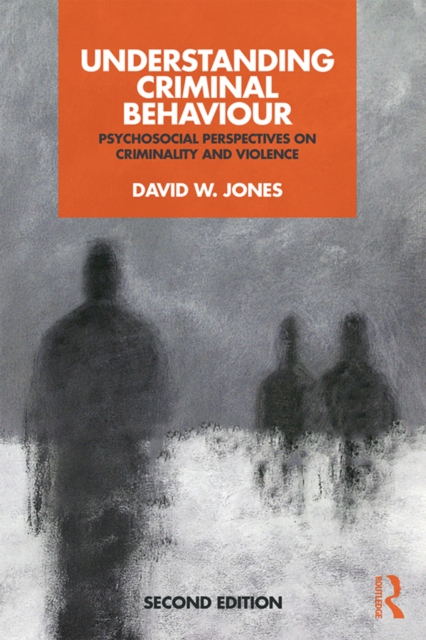
Our understanding of criminal behaviour and its causes has been too long damaged by the failure to integrate the emotional, psychological, social and cultural influences on the way people behave.
Our understanding of criminal behaviour and its causes has been too long damaged by the failure to integrate the emotional, psychological, social and cultural influences on the way people behave.
'This book, written by people with an intimate knowledge of prisons and dangerous prisoners and their mental health and welfare, offers something of an antidote to the simply coercive and repressive.
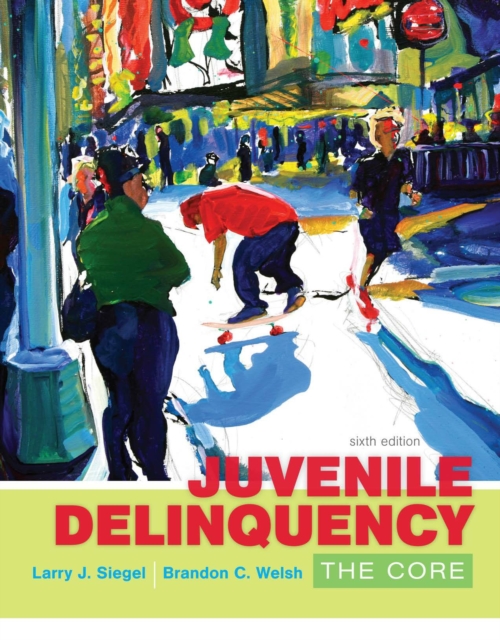
JUVENILE DELINQUENCY: THE CORE, 6th Edition delivers cutting-edge coverage of essential theory, policy, and the latest research in one value-priced, reader-friendly paperback.
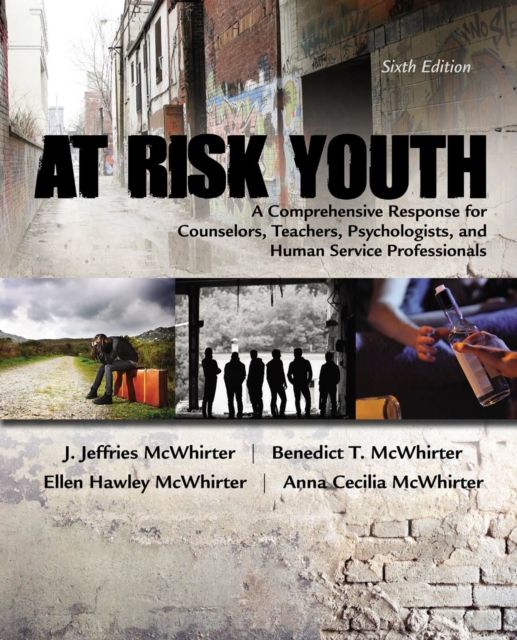
This text provides the conceptual and practical information on key issues and problems that you will need to prepare effectively for work with at-risk youth.
This book assesses the implications of how children and young people are represented in print media in Northern Ireland - a post-conflict transitioning society.
This textbook considers the full breadth of the criminal justice system, going beyond prisons to cover other punishments such as out-of-court disposals and community penalties, as well as issues around rehabilitation and reintegration.
This book analyses the experiences of prisoners in England & Wales sentenced when relatively young to very long life sentences (with minimum terms of fifteen years or more).