Taking a unique approach to bring the theories of desistance and of development criminology to life, the chapters in this book are framed around a single individual's life-story which have inspired rigorous, evidence-based and scholarly chapters on key issues in criminology.
A book for anybody who has, or works with, children (of any age) with 'out of control' behaviour, including parents, teachers and healthcare professionals.
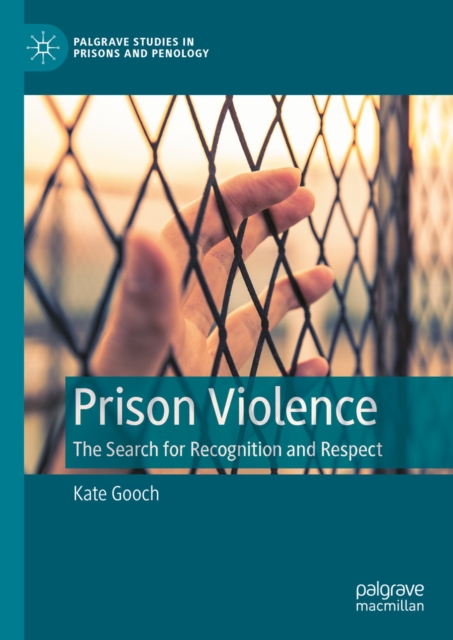
This book analyses the nature, causes, logic, and culture of prison victimisation in an English young offender institution for young men aged 18-21 years old.
This book analyses the nature, causes, logic, and culture of prison victimisation in an English young offender institution for young men aged 18-21 years old.
Taking a unique approach to bring the theories of desistance and of development criminology to life, the chapters in this book are framed around a single individual's life-story which have inspired rigorous, evidence-based and scholarly chapters on key issues in criminology.
Drawing heavily on original research designed to train police officers to survive deadly encounters, Profiling Cop-Killers examines the sociological history, psychology, and motives of 50 murderers of police officers in 2011.
The preoccupation with the unemployment-crime link has meant that a number of other concerns about the way that unemployment affects the criminal justice system, and ways of dealing with offenders, have been largely ignored.
This book highlights the intimate connection between racial/ethnic equity and school and community safety, the consequences of current inequities, and establishes the way forward in terms of future research, policy, and practice.
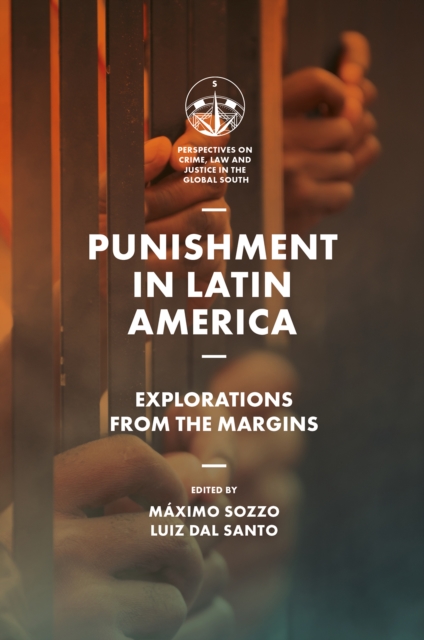
Challenging the Northern-centric approach that has dominated the literature on punishment-and-society, Punishment in Latin America draws on innovative theoretical perspectives to make sense of punishment, penal trends, institutions and practices in peripheral settings, taking Latin American countries as its case studies.
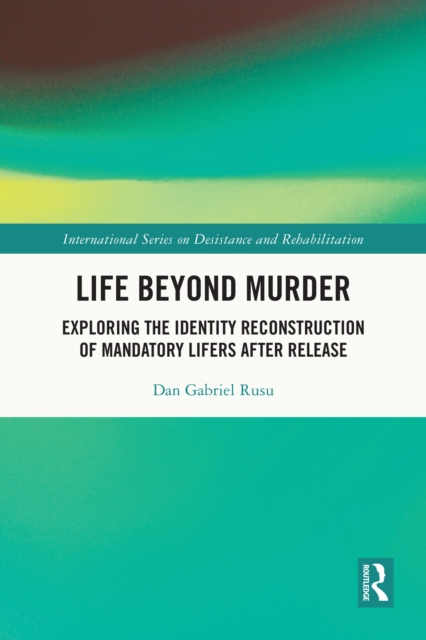
Detailing the resettlement narratives of five men who have committed different types of murder (confrontational/revenge, financial gain, random, intimate partner femicide, and family feud), this book counters narratives of neoliberal, 'responsibilizing' messages of individualism to investigate what informs their experiences of resettlement.
First published in 1965, the original blurb reads: "e;At the present time more and more public interest centres on crime, prison and prisoners, and the prison population in this country now exceeds 24, 000.
This book provides a comprehensive and up-to-date introduction to criminological theory for students taking courses in criminology at both undergraduate and postgraduate level.
Detailing the resettlement narratives of five men who have committed different types of murder (confrontational/revenge, financial gain, random, intimate partner femicide, and family feud), this book counters narratives of neoliberal, 'responsibilizing' messages of individualism to investigate what informs their experiences of resettlement.
From concerns about juveniles' incorrigibility at the turn of the century to school violence in the 1990s, adults have attempted to understand, control, and prevent juvenile violence.
Originally published in 1960, when every twentieth child in this country was born illegitimate, every eighth was conceived outside marriage; every fourth mother conceived her first-born before her wedding day; and among the children below school-leaving age over half a million were illegitimate - figures that were paralleled in many countries of Europe and the Commonwealth at the time.
The preoccupation with the unemployment-crime link has meant that a number of other concerns about the way that unemployment affects the criminal justice system, and ways of dealing with offenders, have been largely ignored.
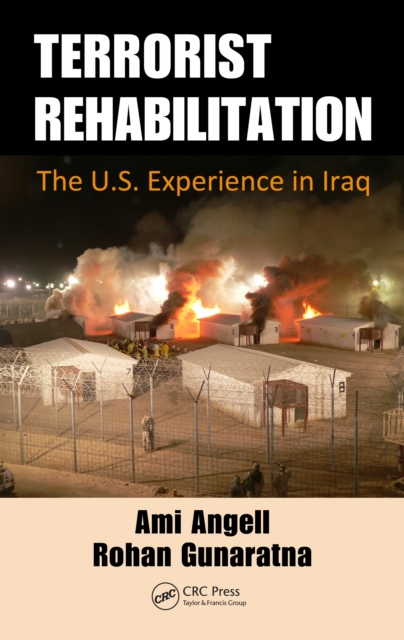
Because terrorists are made, not born, it is critically important to world peace that detainees and inmates influenced by violent ideology are deradicalized and rehabilitated back into society.
Challenging the Northern-centric approach that has dominated the literature on punishment-and-society, Punishment in Latin America draws on innovative theoretical perspectives to make sense of punishment, penal trends, institutions and practices in peripheral settings, taking Latin American countries as its case studies.
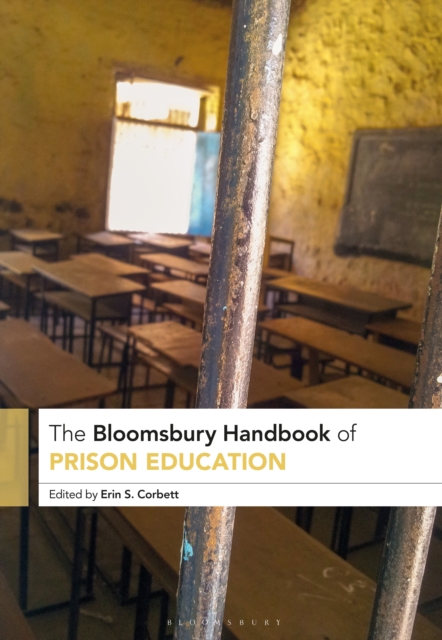
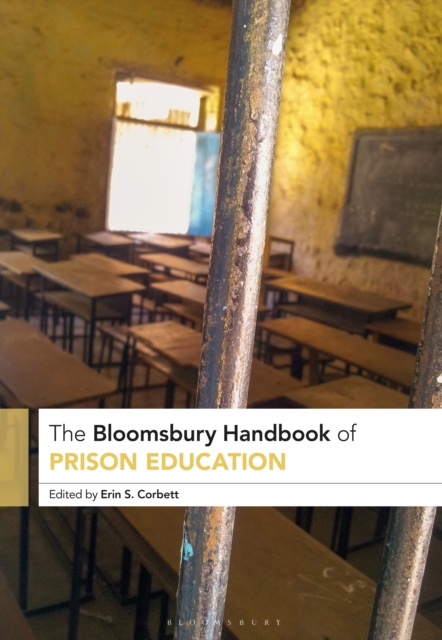
Finalist: PROSE Awards 2025 - Education Theory and PracticeWritten by activists and scholars based in Australia, Kenya, Pakistan, New Zealand, South Africa, Uganda and the USA, The Bloomsbury Handbook of Prison Education offers the first global state-of-the-field overview of research into educational practices and programs in prisons.
Ob sich intra- und extramural Strafgefangene hinsichtlich ihrer späteren Legalbewährung unterscheiden, und inwieweit die gewählte Vollzugsform hierfür als Einflussfaktor agiert, ist Gegenstand dieser empirischen Rückfalluntersuchung.
This book offers a new and innovative way of thinking about desistance from crime, fusing our understanding of desistance transitions, youth transitions, and the impact of significant policy change on people with convictions in a way which is yet to be seen in the available desistance literature.
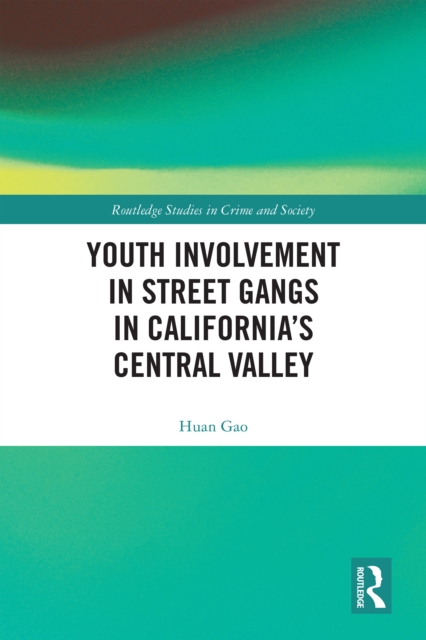
This timely, insightful, and data-led book fills a gap in gang scholarship by examining gangs in rural areas, specifically focusing on youth gang activity.
Finalist: PROSE Awards 2025 - Education Theory and PracticeWritten by activists and scholars based in Australia, Kenya, Pakistan, New Zealand, South Africa, Uganda and the USA, The Bloomsbury Handbook of Prison Education offers the first global state-of-the-field overview of research into educational practices and programs in prisons.
Originally published in 1976, this volume is organized about two central themes: the experimental analysis of aggression, and the application of learning principles to the prevention and modification of delinquency.
This book presents an in-depth investigation into street gang involvement, desistance, and non-involvement through the lens of the Risk Factor Prevention Paradigm (RFPP).
Originally published in 1976, this volume is organized about two central themes: the experimental analysis of aggression, and the application of learning principles to the prevention and modification of delinquency.
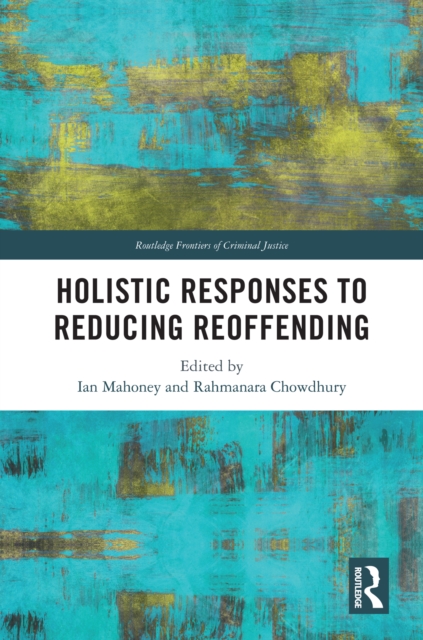
Offering a range of theoretical and conceptual ideas as well as practical examples, this book provides a detailed insight into holistic opportunities for promoting desistance, reducing reoffending, and supporting (re)settlement and (re)integration.
Offering a range of theoretical and conceptual ideas as well as practical examples, this book provides a detailed insight into holistic opportunities for promoting desistance, reducing reoffending, and supporting (re)settlement and (re)integration.