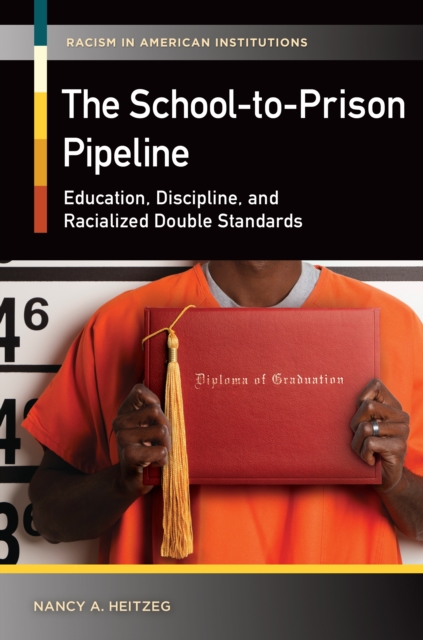
This book offers a research and comparison-driven look at the school-to-prison pipeline, its racial dynamics, the connections to mass incarceration, and our flawed educational climate-and suggests practical remedies for change.
The Lived Experiences of Claiming Wrongful Conviction in Prison focuses on the lived experience of maintaining innocence in the prison environment and highlights the struggles and pain that such a claim can cause.
Building on previous work in rural criminology, this book casts a global and comparative look across 19 countries, drawing on themes of crime and victimisation, safety and fear, practices of policing and police trust, and crime prevention practices.
This book provides a comprehensive analysis of the current directions in social rehabilitation scholarship and research by bringing together the voices of legal scholars, criminal justice professionals, social scientists, and people directly impacted by criminal justice in a comparative, international, and interdisciplinary fashion.
Literary Journalism Goes Inside Prison: Just Sentences opens up a new exploration of literary journalism - immersive, long-form journalism so beautifully written that it can stand as literature - in the first anthology to examine literary journalism and prison.
Literary Journalism Goes Inside Prison: Just Sentences opens up a new exploration of literary journalism - immersive, long-form journalism so beautifully written that it can stand as literature - in the first anthology to examine literary journalism and prison.
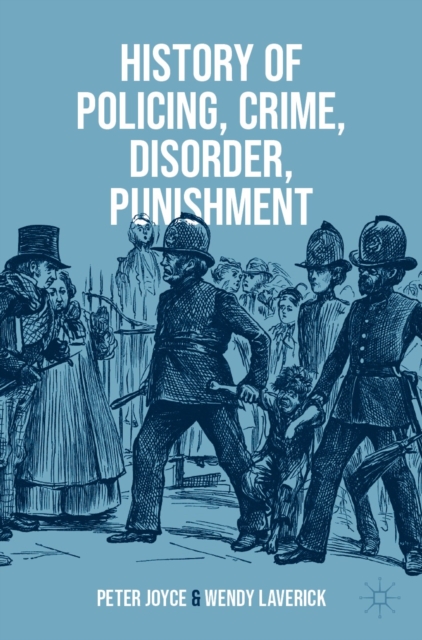
This engaging textbook provides a broad and unique coverage of the key historical events that shaped ideas in criminology, criminal justice and policing from the late seventeenth century to the early twenty-first century in England and Wales.
This book uses settler colonialism, critical race, and tribal critical race theories to examine the relationship between settler colonialism and Indigenous and Black disproportionality in the criminal justice systems of the English-speaking Western liberal democracies of the UK, USA, Canada, and Australia.
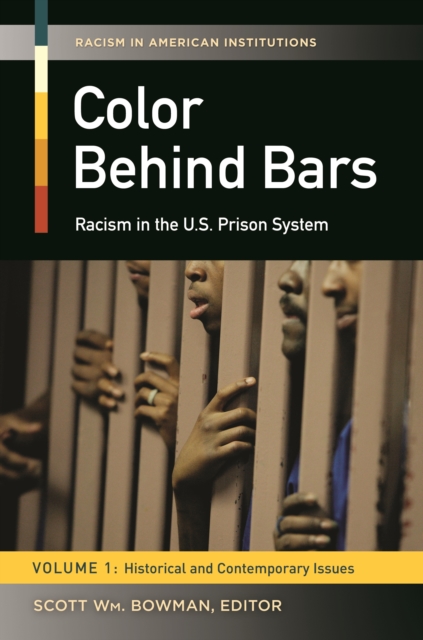
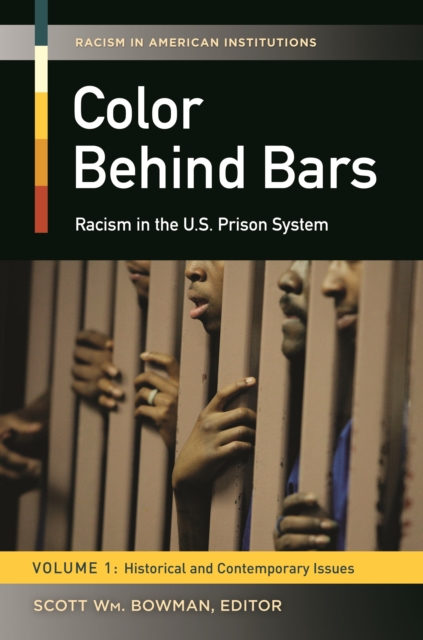
This two-volume encyclopedia provides a comprehensive and authoritative examination of the history and current character of American prisons and jails and their place in the U.
Written by an inmate serving 45 years for a drug conviction when he was 23, this is an in-depth view living behind bars from the perspective of prisoners themselves.
The Handbook on Prisons and Jails brings together some of the brightest scholars and thinkers in the field to offer a wide range of perspectives for understanding the experiences of persons incarcerated or working/volunteering within carceral institutions.
A diverse, critical analysis of racial and ethnic disparities within the American criminal justice system that encourages critical thinking by providing various sides to the issues.
A diverse, critical analysis of racial and ethnic disparities within the American criminal justice system that encourages critical thinking by providing various sides to the issues.
This book uses settler colonialism, critical race, and tribal critical race theories to examine the relationship between settler colonialism and Indigenous and Black disproportionality in the criminal justice systems of the English-speaking Western liberal democracies of the UK, USA, Canada, and Australia.
The Handbook on Prisons and Jails brings together some of the brightest scholars and thinkers in the field to offer a wide range of perspectives for understanding the experiences of persons incarcerated or working/volunteering within carceral institutions.
This innovative work tells the story of a unique partnership between a state prison administration and a team of incarcerated women, prison administrators, researchers, artists, and students known as The WoW Collective due to their joint efforts in developing a peer mentoring program called "e;Women's Words/Women's Worlds (WoW).
This book employs multiple case studies to explore how the Chinese communist revolution began as an ideology-oriented intellectual movement aimed at improving society before China's transformation into a state that suppresses dissenting voices by outsourcing its power of coercion and incarceration.
This book employs multiple case studies to explore how the Chinese communist revolution began as an ideology-oriented intellectual movement aimed at improving society before China's transformation into a state that suppresses dissenting voices by outsourcing its power of coercion and incarceration.
In the mid-1990s, policymakers in more than half the states and the federal government responded to escalating crime rates and a series of sensationalized crimes by passing laws that imposed lifetime sentences on repeat offenders.
Given the over-involvement of young men in crime and young men's disproportionally high rates of reoffending, it is surprising that more research has not explored young men's experiences of prison.
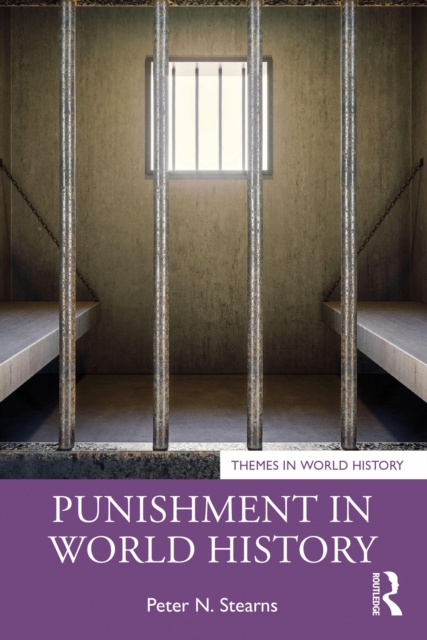
This book focuses on major changes in punishment patterns during the principal phases of world history, tracing continuities, reforms, and regional differences.
This book focuses on major changes in punishment patterns during the principal phases of world history, tracing continuities, reforms, and regional differences.
First published in 1984, Ideas on Institution is a review of the major English-language literature of the past two decades on the experience of living in institutions - hospitals, mental hospitals, prisons.