This book is the first comparative law study of collateral consequences of criminal conviction in all federally recognized Indian tribes in the lower 48 U.
The Politics of Prison Crowding investigates recent transformations in Italy's penal system to make the key analytical observation that conditions of overcrowding have become the 'new normal' under which the modern prison system continues to operate and deliver punishment.
The Politics of Prison Crowding investigates recent transformations in Italy's penal system to make the key analytical observation that conditions of overcrowding have become the 'new normal' under which the modern prison system continues to operate and deliver punishment.
MEDITATION FOR PRISONERS I started studying meditation because I firmly expected to go to prison as a result of my refusal to participate in the Vietnam War.
A father's account of the story that captivated America, the murder of his daughter, reporter Alison Parker, on live television, and his inspiring fight for commonsense gun laws in the aftermath.
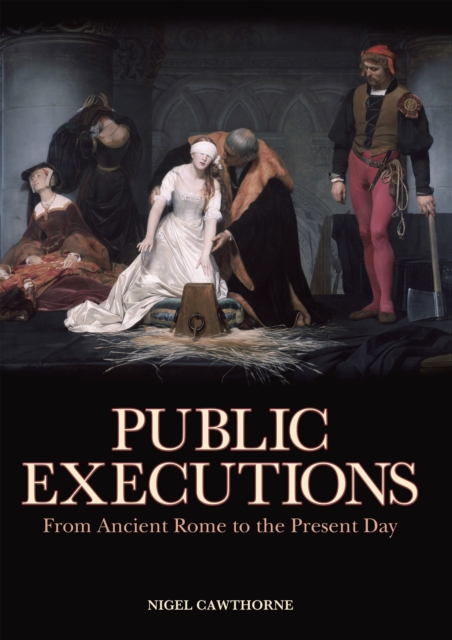
'The sentence of this court is that you be taken from this place to whence you came, and from there to a place of lawful execution, there to be hanged by the neck till you be dead, and may the Lord have mercy on your soul'-Extract from judicial death sentence, England c.
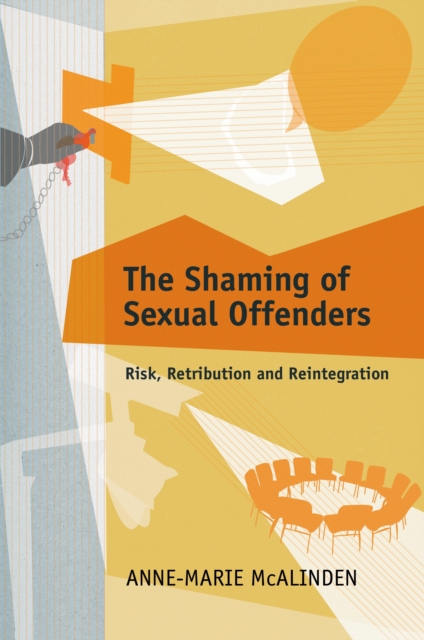
Winner of the 2008 British Society of Criminology Book PrizeSex offenders, particularly those who offend against children, feature prominently in contemporary law and order debates.
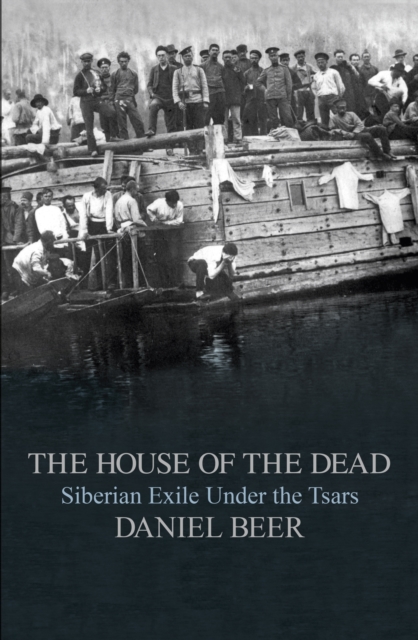
WINNER OF THE CUNDHILL HISTORY PRIZE 2017 SHORTLISTED FOR THE WOLFSON HISTORY PRIZE 2017, THE PUSHKIN HOUSE RUSSIAN BOOK PRIZE 2017 AND THE LONGMAN-HISTORY TODAY BOOK PRIZE 2017THE TIMES, SPECTATOR, BBC HISTORY and TLS BOOKS OF THE YEAR'An absolutely fascinating book, rich in fact and anecdote.
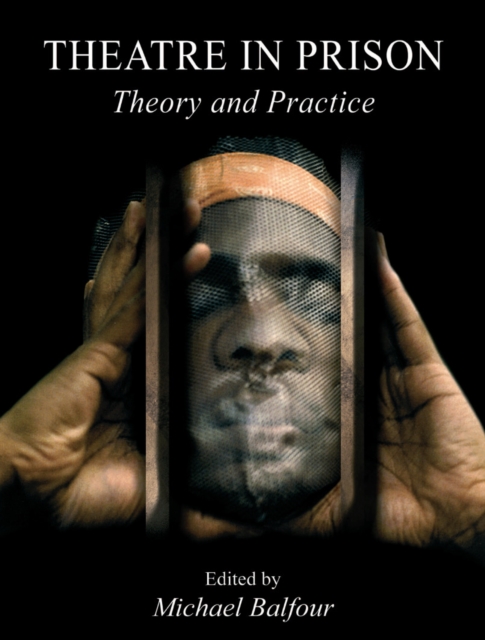
From role-plays with street gangs in the USA to Beckett in Brixton; from opera productions with sex offenders to psychodrama with psychopaths, the book will discuss, analyse and reflect on theoretical notions and practical applications of theatre for and with the incarcerated.
Gathering together Ruth Wilson Gilmore's work from over three decades, Abolition Geography presents her singular contribution to the politics of abolition as theorist, researcher, and organizer, offering scholars and activists ways of seeing and doing to help navigate our turbulent present.
Analysis of criminal cases reveals that women suspected of killing their newborn children are some of the most vulnerable in our society and that infanticide is not just a historical issue but one that has modern implications.
Analysis of criminal cases reveals that women suspected of killing their newborn children are some of the most vulnerable in our society and that infanticide is not just a historical issue but one that has modern implications.
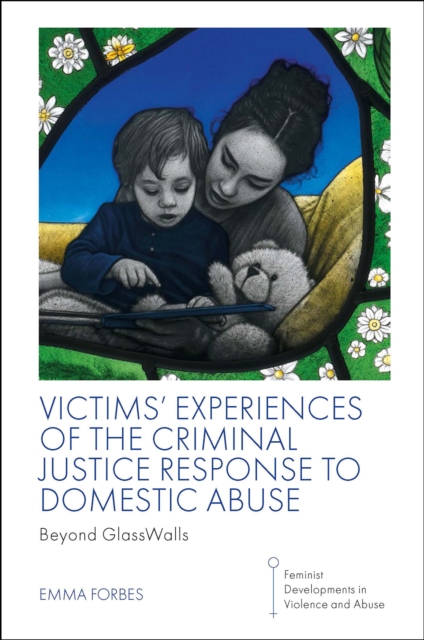
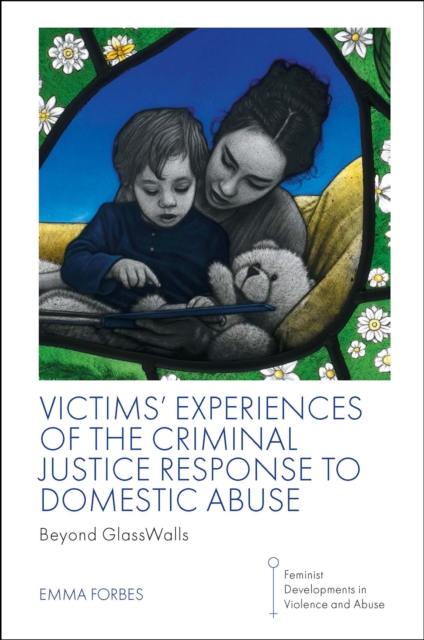
Victims' Experiences of The Criminal Justice Response to Domestic Abuse: Beyond GlassWalls provides a unique perspective on how victims of domestic abuse experience the justice process.
Victims' Experiences of The Criminal Justice Response to Domestic Abuse: Beyond GlassWalls provides a unique perspective on how victims of domestic abuse experience the justice process.
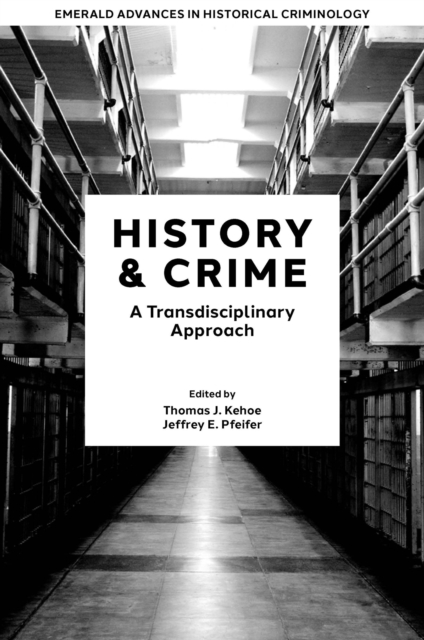
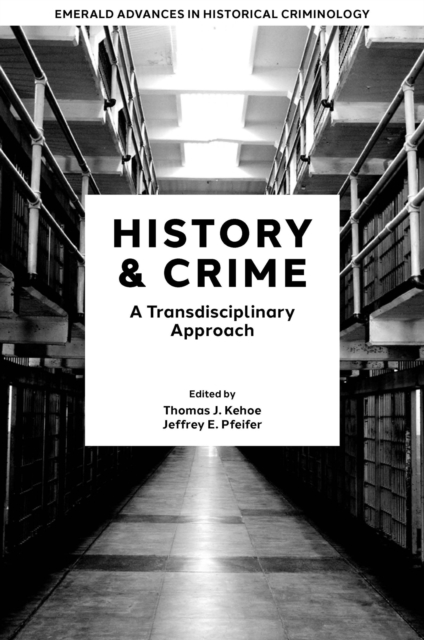
Revealing the cross utility potential of multiple disciplines to advance knowledge in crime studies, History & Crime showcases new research into crime from across the interdisciplinary perspectives of early modern and modern history, criminology, forensic psychology, and legal studies.
Revealing the cross utility potential of multiple disciplines to advance knowledge in crime studies, History & Crime showcases new research into crime from across the interdisciplinary perspectives of early modern and modern history, criminology, forensic psychology, and legal studies.
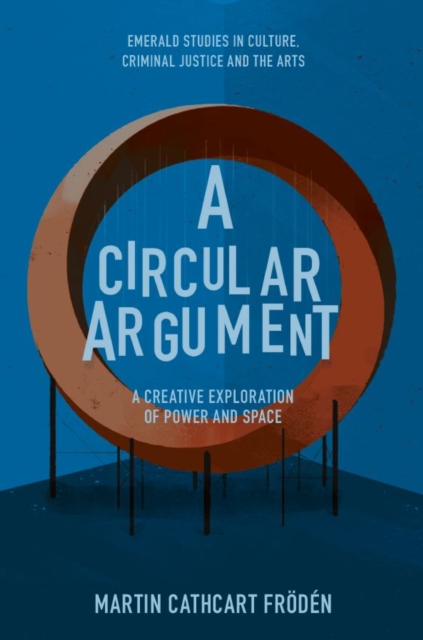
Uniquely combining two parts, one critical in the form of a research piece, and the other creative in the form of a fictional novel, this ground-breaking book spans creative writing, criminology and architecture to look at the ways in which power and hierarchies are explored and exploited in space.
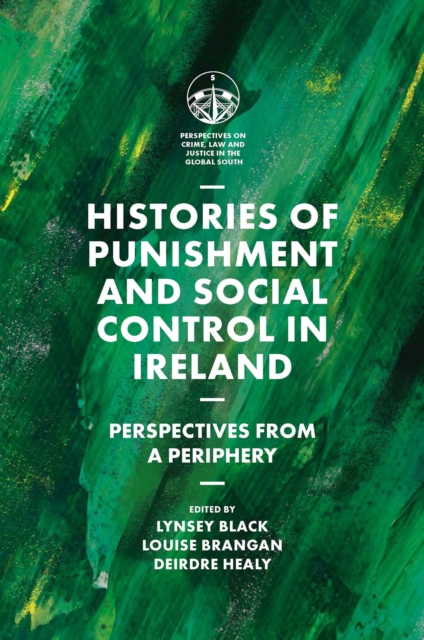
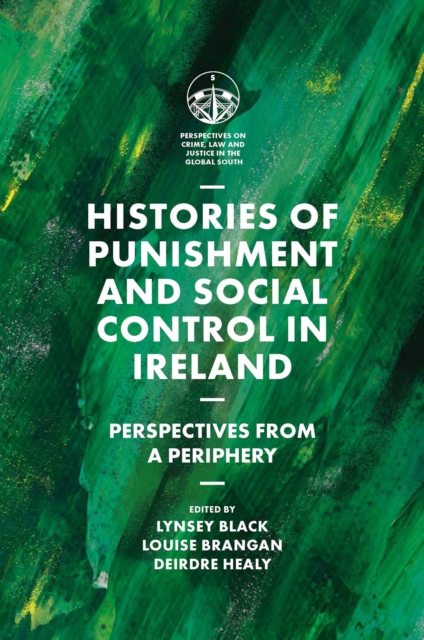
This volume contains an Open Access ChapterAs a peripheral state within English-speaking criminology, Ireland is often overlooked in mainstream Anglophone theories of punitiveness and penal transformation.
This volume contains an Open Access ChapterAs a peripheral state within English-speaking criminology, Ireland is often overlooked in mainstream Anglophone theories of punitiveness and penal transformation.
What I hope this timely and fascinating book does is to take the reader beyond the lurid interest in art by society's outcasts, to discovering the hugely positive role art plays in prison life - Grayson Perry.
Captives combines a thrilling narrative account of Rikers Island's descent into infamy with a dramatic retelling of the last seventy years of New York and American politics from the vantage point of its jails.
'Revolutionises our understanding of the carceral state' - Fidelis Chebe, Director of Migrant ActionDuring 2019-20 in England and Wales, over 17 million hours of labour were carried out by more than 12,500 people incarcerated in prisons, while many people in immigration removal centres also worked.
Privatising Justice takes a broad historical view of the role of the private sector in the British state, from private policing and mercenaries in the eighteenth century to the modern rise of the private security industry in armed conflict, policing and the penal system.