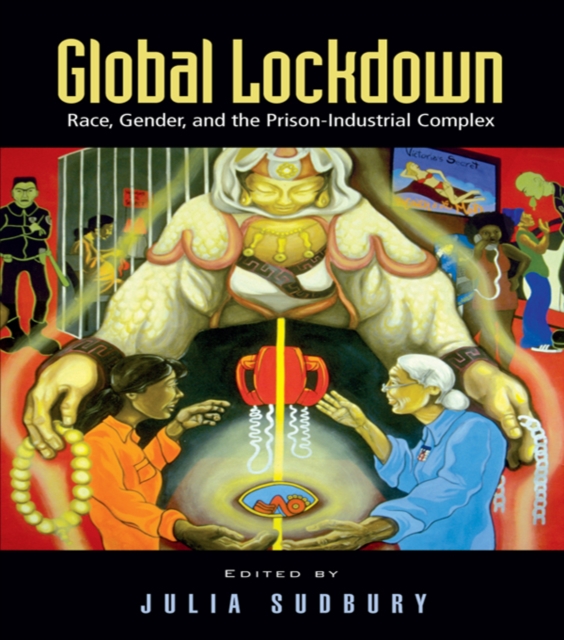
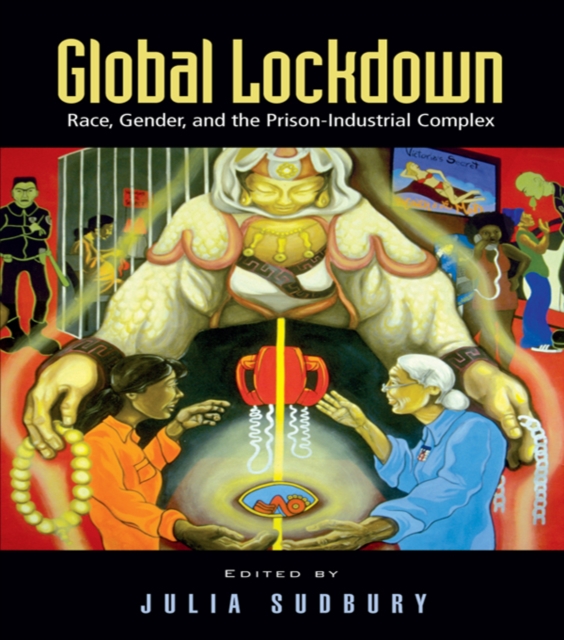
Prisons are dangerous places, and assaults, threats, theft and verbal abuse are pervasive - attributable both to the characteristics of the captive population and to an institutional sub culture which promotes violence as a means of resolving conflicts.
Prisons are dangerous places, and assaults, threats, theft and verbal abuse are pervasive - attributable both to the characteristics of the captive population and to an institutional sub culture which promotes violence as a means of resolving conflicts.
Public outcries and political platforms based on misinformation and misconceptions about the criminal justice system and current sentencing practice occur all too often in democratic societies.
Public outcries and political platforms based on misinformation and misconceptions about the criminal justice system and current sentencing practice occur all too often in democratic societies.
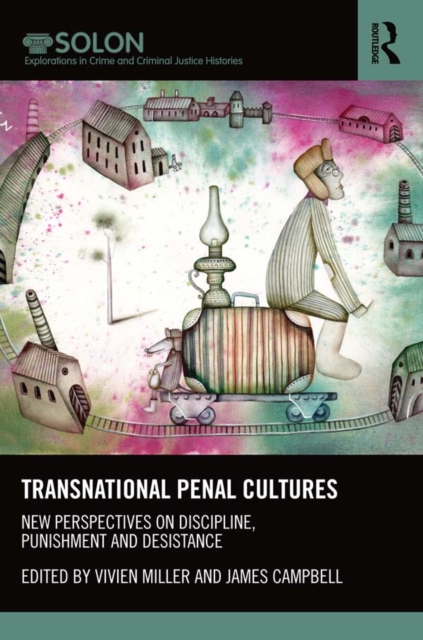
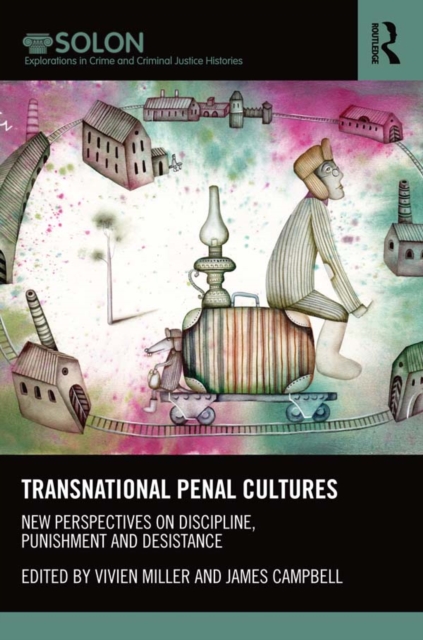
Focusing on three key stages of the criminal justice process, discipline, punishment and desistance, and incorporating case studies from Asia, the Americas, Europe, Africa and Australia, the thirteen chapters in this collection are based on exciting new research that explores the evolution and adaptation of criminal justice and penal systems, largely from the early nineteenth century to the present.
Focusing on three key stages of the criminal justice process, discipline, punishment and desistance, and incorporating case studies from Asia, the Americas, Europe, Africa and Australia, the thirteen chapters in this collection are based on exciting new research that explores the evolution and adaptation of criminal justice and penal systems, largely from the early nineteenth century to the present.
Show the incarcerated how to find forgiveness in unforgiving surroundingsAs the prison population in the United States increases by more than 1,000 inmates each week, prison ministry programs must have a working blueprint for dealing with the shame, humiliation, hate, and loneliness of incarceration at both the adult correctional and juvenile detention/probation levels.
Show the incarcerated how to find forgiveness in unforgiving surroundingsAs the prison population in the United States increases by more than 1,000 inmates each week, prison ministry programs must have a working blueprint for dealing with the shame, humiliation, hate, and loneliness of incarceration at both the adult correctional and juvenile detention/probation levels.
Chaplains to the Imprisoned begins to fill the information gap through its in-depth study of prison chaplains as seen by co-workers, inmates, and the chaplains themselves.
Chaplains to the Imprisoned begins to fill the information gap through its in-depth study of prison chaplains as seen by co-workers, inmates, and the chaplains themselves.
Here is a powerful look at gender issues in the criminal justice system, particularly as gender is related to sex offenses and the systems response to those offenses.
Here is a powerful look at gender issues in the criminal justice system, particularly as gender is related to sex offenses and the systems response to those offenses.
In contrast to the generally dismal results of various approaches to rehabilitation, these consciousness-based strategies have proven effective in preventing crime and rehabilitating offenders!
In contrast to the generally dismal results of various approaches to rehabilitation, these consciousness-based strategies have proven effective in preventing crime and rehabilitating offenders!
Breaking the Rules: Women in Prison and Feminist Therapy challenges therapists, public policymakers, voters, and those in the criminal justice system to find treatment options, empowerment strategies, viable resources, community support, and policies that can help women with problems such as drug abuse, domestic violence, poverty, and prostitution rather than perpetually punishing them.
Breaking the Rules: Women in Prison and Feminist Therapy challenges therapists, public policymakers, voters, and those in the criminal justice system to find treatment options, empowerment strategies, viable resources, community support, and policies that can help women with problems such as drug abuse, domestic violence, poverty, and prostitution rather than perpetually punishing them.
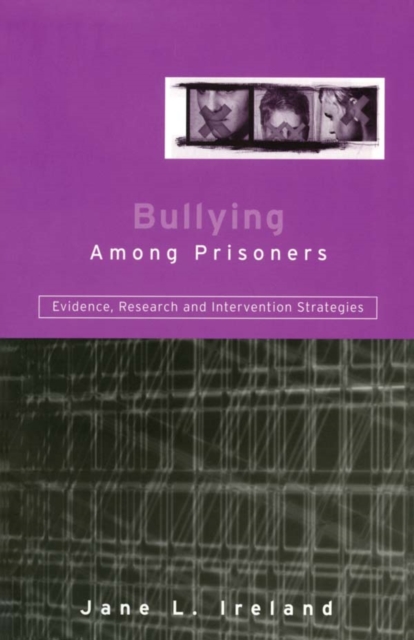
Bullying in prisons can have severe consequences both for those directly involved and for the prison regime as a whole, yet the subject has been curiously neglected in the literature.
Bullying in prisons can have severe consequences both for those directly involved and for the prison regime as a whole, yet the subject has been curiously neglected in the literature.
Forensic work occurs across the criminal justice sector and the legal and health professions and intersects with work in a range of areas, such as child protection, family welfare, mental health, offending, disability and addictions, family violence programmes, juvenile justice and sexual assault centres.
Forensic work occurs across the criminal justice sector and the legal and health professions and intersects with work in a range of areas, such as child protection, family welfare, mental health, offending, disability and addictions, family violence programmes, juvenile justice and sexual assault centres.
Originally published in 1974 and the recipient of the Denis Carroll Book Prize at the World Congress of the International Criminology Society in 1978, Thomas Mathiesen's The Politics of Abolition is a landmark text in critical criminology.
Originally published in 1974 and the recipient of the Denis Carroll Book Prize at the World Congress of the International Criminology Society in 1978, Thomas Mathiesen's The Politics of Abolition is a landmark text in critical criminology.
Prisons and imprisonment have become a commonplace topic in popular culture as the setting and rationale for fiction and documentaries and most people seem to have a clear notion of what it is like in prison, ranging from the idea of the prison cell as a cosy nook with fast internet access to that of a dungeon with a hard bed and a diet of bread and water.
Prisons and imprisonment have become a commonplace topic in popular culture as the setting and rationale for fiction and documentaries and most people seem to have a clear notion of what it is like in prison, ranging from the idea of the prison cell as a cosy nook with fast internet access to that of a dungeon with a hard bed and a diet of bread and water.
In Community Punishment: European perspectives, the authors place punishment in the community under the spotlight by exploring the origins, evolution and adaptations of supervision in 11 European jurisdictions.
In Community Punishment: European perspectives, the authors place punishment in the community under the spotlight by exploring the origins, evolution and adaptations of supervision in 11 European jurisdictions.
Rethinking the American Prison Movement provides a short, accessible overview of the transformational and ongoing struggles against America's prison system.
The growing body of work on imprisonment, desistance and rehabilitation has mainly focused on policies and treatment programmes and how they are delivered.
The growing body of work on imprisonment, desistance and rehabilitation has mainly focused on policies and treatment programmes and how they are delivered.
The MPs' expenses scandal in England and Wales and the international banking crisis have both brought into focus a concern about 'elite' individuals and their treatment by criminal justice systems.