This book is about the energy personified by the classical Greek goddess Themis, who brought her divine and natural 'right order' to gods and humans, and who still presides over law courts as the figure of Justice.
This book is about the energy personified by the classical Greek goddess Themis, who brought her divine and natural 'right order' to gods and humans, and who still presides over law courts as the figure of Justice.
This book provides and accessible text and critical analysis of the concepts and delivery of community justice, a focal point in contemporary criminal justice.
This book provides and accessible text and critical analysis of the concepts and delivery of community justice, a focal point in contemporary criminal justice.
As the UK and many other western societies face up to the consequences of a rapidly increasing prison population, so the search for alternative approaches to punishment and dealing with offenders has become an increasingly urgent priority for government policy and society as a whole.
As the UK and many other western societies face up to the consequences of a rapidly increasing prison population, so the search for alternative approaches to punishment and dealing with offenders has become an increasingly urgent priority for government policy and society as a whole.
The issue of minority ethnic groups' experiences of the criminal justice process, and in particular whether they are subject to disadvantageous treatment, has received much attention in recent years following high-profile events such as the publication of the Macpherson report in 1999 and the riots involving British-born Asian youths in northern towns in 2001.
The issue of minority ethnic groups' experiences of the criminal justice process, and in particular whether they are subject to disadvantageous treatment, has received much attention in recent years following high-profile events such as the publication of the Macpherson report in 1999 and the riots involving British-born Asian youths in northern towns in 2001.
This book aims to provide a critical analysis of both political and professional developments in policy and practice relating to non-custodial penalties, taking full account of recent developments and the creation of a National Probation Service in 2002.
This book aims to provide a critical analysis of both political and professional developments in policy and practice relating to non-custodial penalties, taking full account of recent developments and the creation of a National Probation Service in 2002.
Over the last few years intensive community programmes for both young and adult offenders have become established in the UK as an important new component of penal policy - the ISSP (Intensive Supervision and Surveillance Programme) for persistent and serious young offenders, and the ICCP (Intensive Control and Change Programme) for adult offenders.
Over the last few years intensive community programmes for both young and adult offenders have become established in the UK as an important new component of penal policy - the ISSP (Intensive Supervision and Surveillance Programme) for persistent and serious young offenders, and the ICCP (Intensive Control and Change Programme) for adult offenders.
This book sets out to explore the role of community penalties in sentencing, arguing that the absence of a strong intellectual framework or underpinning has hampered their development in policy and practice.
This book sets out to explore the role of community penalties in sentencing, arguing that the absence of a strong intellectual framework or underpinning has hampered their development in policy and practice.
The What Works initiative is having a profound impact on the work of the National Probation Service, and much has been invested in new accredited programmes - both in terms of the numbers of offenders planned to complete these programmes and their anticipated impact upon offending.
The What Works initiative is having a profound impact on the work of the National Probation Service, and much has been invested in new accredited programmes - both in terms of the numbers of offenders planned to complete these programmes and their anticipated impact upon offending.
In this book a group of leading authorities in the field address the key issues surrounding the future of sentencing in Britain, in the light particularly of the highly influential Halliday Report.
In this book a group of leading authorities in the field address the key issues surrounding the future of sentencing in Britain, in the light particularly of the highly influential Halliday Report.
This book is a study of the workings of the Discretionary Lifer Panels of the Parole Board, the body charged with the responsibility for making decisions on the release of discretionary life sentence prisoners.
This book is a study of the workings of the Discretionary Lifer Panels of the Parole Board, the body charged with the responsibility for making decisions on the release of discretionary life sentence prisoners.
At a time when the scale of imprisonment in the United States has reached a historic high, researchers estimate that more than 600,000 individuals a year are released from prison to return to their home communities.
From Labour's promise to be 'tough on crime, tough on the causes of crime' through to the White Paper and new criminal justice legislation, controlling crime and reforming the criminal justice system has been one of the government's key priorities.
At a time when the scale of imprisonment in the United States has reached a historic high, researchers estimate that more than 600,000 individuals a year are released from prison to return to their home communities.
From Labour's promise to be 'tough on crime, tough on the causes of crime' through to the White Paper and new criminal justice legislation, controlling crime and reforming the criminal justice system has been one of the government's key priorities.
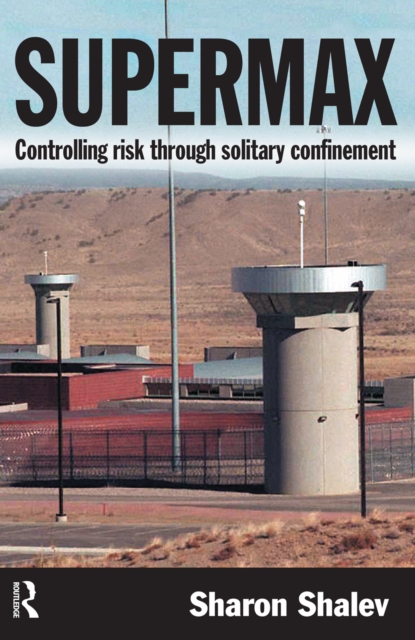
This book examines the rise and proliferation of 'Supermaxes', large prisons dedicated to holding prisoners in prolonged and strict solitary confinement, in the United States since the late 1980s.
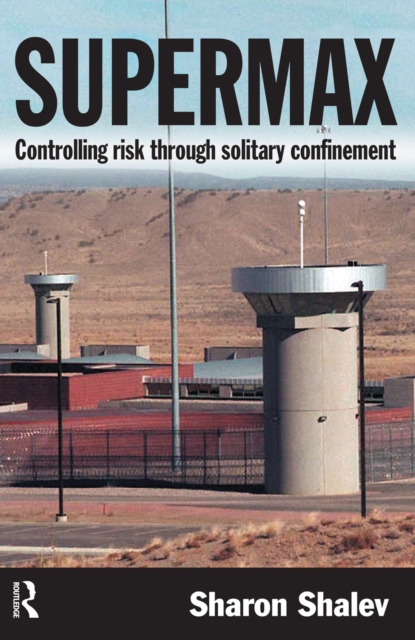
This book examines the rise and proliferation of 'Supermaxes', large prisons dedicated to holding prisoners in prolonged and strict solitary confinement, in the United States since the late 1980s.
This book examines how young men between the ages of 18 and 21 make the transition to prison life and how they adapt practically, socially and psychologically.
This book examines how young men between the ages of 18 and 21 make the transition to prison life and how they adapt practically, socially and psychologically.
This book is concerned to explore the changing role of the Parole Board across the range of its responsibilities, including the prediction of risk and deciding on the release (or continued detention) of the growing number of recalled prisoners and of those subject to indeterminate sentences.
This book is concerned to explore the changing role of the Parole Board across the range of its responsibilities, including the prediction of risk and deciding on the release (or continued detention) of the growing number of recalled prisoners and of those subject to indeterminate sentences.