This two-volume encyclopedia provides a comprehensive and authoritative examination of the history and current character of American prisons and jails and their place in the U.
This collection includes a kaleidoscope of voices and perspectives from prisoners, former prisoners, scholars, and activists to examine the extraordinarily invisible and closed system of incarceration that characterizes the massive U.
The Reverend Russ Ford, who served as the head chaplain on Virginia's death row for eighteen years, raged against the inequities of the death penalty-now outlawed in Virginia-while ministering to the men condemned to die in the 1980s and 1990s.
By the close of the twentieth century, the United States became known for its reliance on incarceration as the chief means of social control, particularly in poor communities of color.
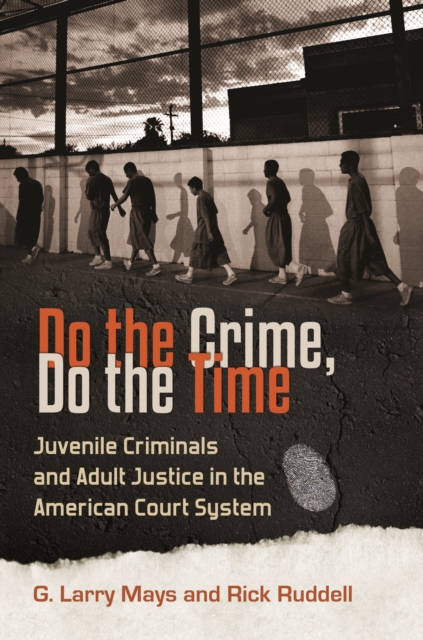
This book provides a fresh look at the way the United States is choosing to deal with some of the serious or persistent youth offenders: by transferring juvenile offenders to adult courts.
Witness in the Era of Mass Incarceration works from the premise that if the law establishes and maintains both its practical and symbolic authority on the basis of its monopoly on legally sanctioned violence and the suffering threatened and delivered by such violence, then we cannot know the full human cost or concrete moral status of any legal state without human witness to the depth and manner of suffering meted out by such violence.
This book offers a research and comparison-driven look at the school-to-prison pipeline, its racial dynamics, the connections to mass incarceration, and our flawed educational climate-and suggests practical remedies for change.
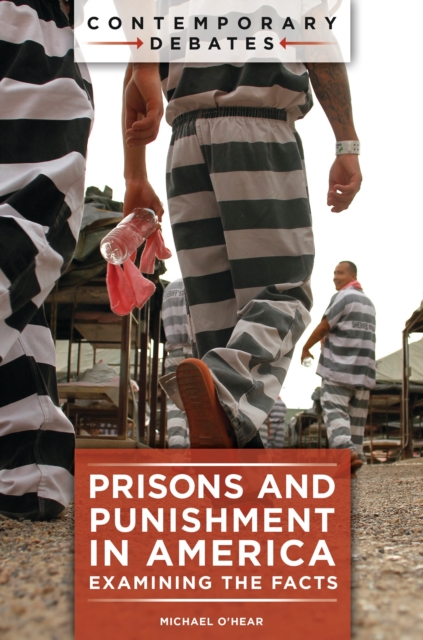
Synthesizing recent scholarship in law and the social sciences on criminal sentencing and corrections, this book provides a thorough, balanced, and accessible survey of the major policy issues in these fields of persistent public interest and political debate.
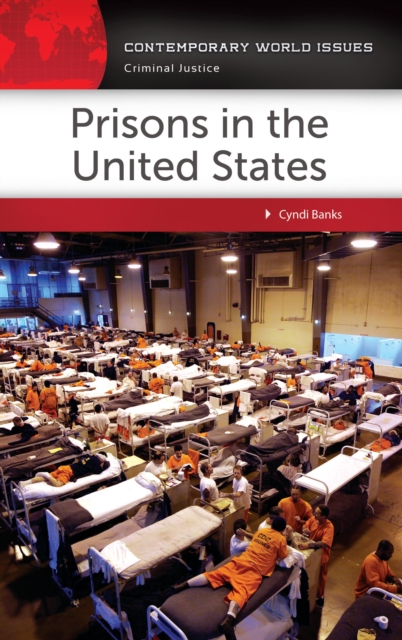
Offering perspectives from a range of experts, both academic and nonacademic, this reference book examines the development of prisons in the United States and addresses the principal contemporary issues and controversies of our prisons and prison systems.
This book offers a research and comparison-driven look at the school-to-prison pipeline, its racial dynamics, the connections to mass incarceration, and our flawed educational climate-and suggests practical remedies for change.
`This is the latest in a series of accessible, evidence-based resources from Jessica Kingsley Publishers for those seeking to understand and promote young people's mental health.
This comprehensive guide provides an accessible introduction to the philosophy of restorative justice and its practical application in a wide range of settings, showing how it can help both victims and offenders when harm has been done.
Bringing together a range of first-hand testimonies of captives, this personal and arresting collection provides an overview of what life inside is actually like.
This two-volume encyclopedia provides a comprehensive and authoritative examination of the history and current character of American prisons and jails and their place in the U.
This collection includes a kaleidoscope of voices and perspectives from prisoners, former prisoners, scholars, and activists to examine the extraordinarily invisible and closed system of incarceration that characterizes the massive U.
This book applies modern object relations theory-particularly the concept of intersubjectivity as articulated by Thomas Ogden-to a population for which the "e;treatment du jour"e; is increasingly cognitive-behavioral.
In 1963, just weeks before the original publication of this book, the last prisoner was escorted off Devil’s Island and Alcatraz ceased to be a prison.
Written by two nationally recognized experts, this book provides a comprehensive review of the legal and clinical aspects of the death penalty as it relates to intellectual disability.
A useful research resource and handy reference, this book discusses the many important ethical and legal issues that arise in the delivery of health care to prisoners at correctional facilities.
Synthesizing recent scholarship in law and the social sciences on criminal sentencing and corrections, this book provides a thorough, balanced, and accessible survey of the major policy issues in these fields of persistent public interest and political debate.
Offering perspectives from a range of experts, both academic and nonacademic, this reference book examines the development of prisons in the United States and addresses the principal contemporary issues and controversies of our prisons and prison systems.
Written by two nationally recognized experts, this book provides a comprehensive review of the legal and clinical aspects of the death penalty as it relates to intellectual disability.
Witness in the Era of Mass Incarceration works from the premise that if the law establishes and maintains both its practical and symbolic authority on the basis of its monopoly on legally sanctioned violence and the suffering threatened and delivered by such violence, then we cannot know the full human cost or concrete moral status of any legal state without human witness to the depth and manner of suffering meted out by such violence.
The Reverend Russ Ford, who served as the head chaplain on Virginia's death row for eighteen years, raged against the inequities of the death penalty-now outlawed in Virginia-while ministering to the men condemned to die in the 1980s and 1990s.
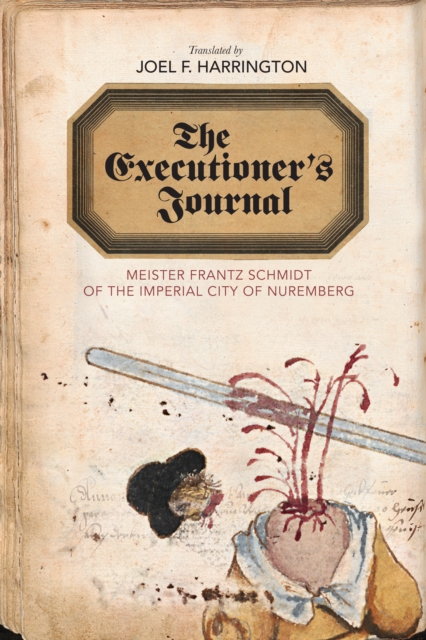
During a career lasting nearly half a century, Meister Frantz Schmidt (1554-1634) personally put to death 392 individuals and tortured, flogged, or disfigured hundreds more.
The Punitive Turn explores the historical, political, economic, and sociocultural roots of mass incarceration, as well as its collateral costs and consequences.
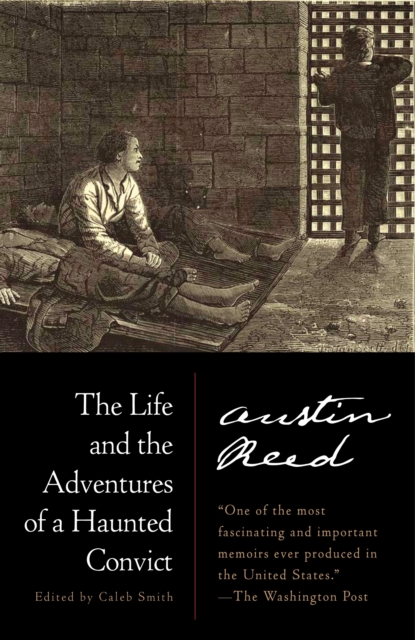
The earliest known prison memoir by an African American writer—recently discovered and authenticated by a team of Yale scholars—sheds light on the longstanding connection between race and incarceration in America.
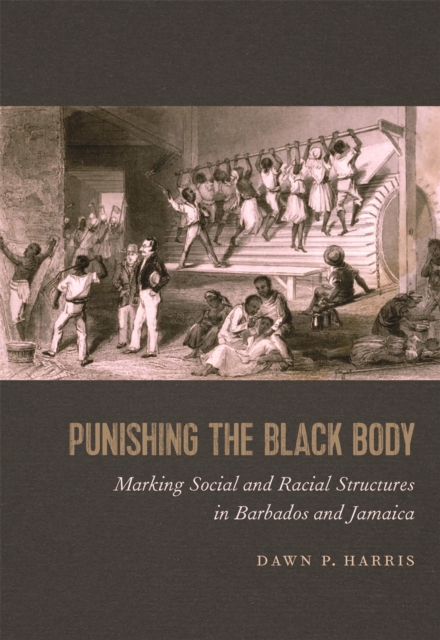
Punishing the Black Body examines the punitive and disciplinary technologies and ideologies embraced by ruling white elites in nineteenth-century Barbados and Jamaica.
By the close of the twentieth century, the United States became known for its reliance on incarceration as the chief means of social control, particularly in poor communities of color.