Synthesizing recent scholarship in law and the social sciences on criminal sentencing and corrections, this book provides a thorough, balanced, and accessible survey of the major policy issues in these fields of persistent public interest and political debate.
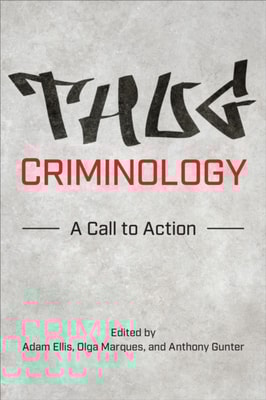
Thug Criminology combines the urgent and as yet silenced voices of former gang/street-involved peoples turned academics, alongside their allies, in order to challenge and disrupt mainstream and academic knowledge about urban youth gangs specifically, and the "e;streets"e; more broadly.
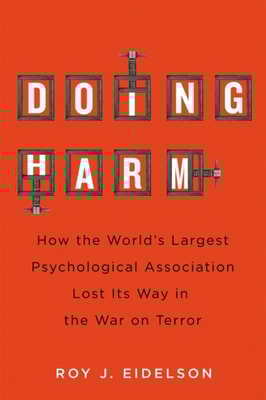
Doing Harm pries open the black box on a critical chapter in the recent history of psychology: the field's enmeshment in the so-called war on terror and the ensuing reckoning over do-no-harm ethics during times of threat.
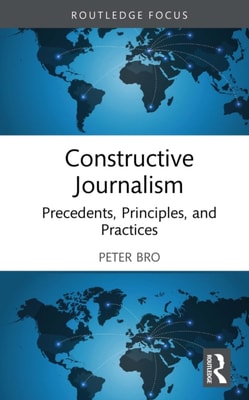
This book offers a deep and comprehensive overview of constructive journalism, setting out the guiding principles and practices for a journalism that aims to do more than simply inform about problems.
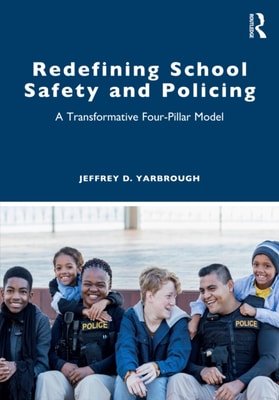
Redefining School Safety and Policing identifies and works to eliminate systemic issues in school policing that negatively impact students of color, LGBTQIA+ students, and other marginalized populations.
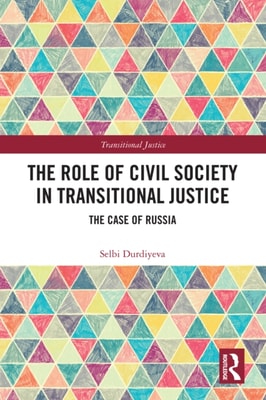
This book examines how civil society engages with transitional justice in Russia, demonstrating a broad range of roles civil society can undertake while operating in a restrictive political context.
This single-volume resource provides sound, up-to-date information and authoritative resources for research on the controversial topics of the use of marijuana for medical and recreational purposes and the effects of marijuana use on society.
Thoroughly updated throughout, this classic, practical text on how to write and publish a scientific paper takes its own advice to be "e;as clear and simple as possible.
Wenn Arzneimittel und Medizinprodukte keine anerkannten oder fraglichen Leistungen der gesetzlichen Krankenkassen sind, prüft der Medizinische Dienst, ob deren Anwendung im Einzelfall dennoch aus medizinisch-wissenschaftlicher Sicht empfohlen werden kann.
This book offers a useful theoretical overview of key approaches to the subject of crime and community and considers the ways in which these have been applied in more practical settings.
This book examines how civil society engages with transitional justice in Russia, demonstrating a broad range of roles civil society can undertake while operating in a restrictive political context.
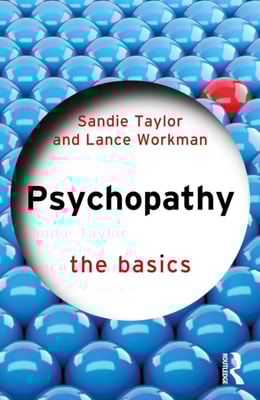
Psychopathy: The Basics is an accessible text that provides a compact introduction to the major findings and debates concerning this complex personality disorder.
Qualitative Research Approaches for Psychotherapy offers the reader a range of current qualitative research approaches congruent with the values and practices of psychotherapy itself: experience-based, reflective, contextualized, and critical.
Abolish Criminology presents critical scholarship on criminology and criminal justice ideologies and practices, alongside emerging freedom-driven visions and practices for new world formations.
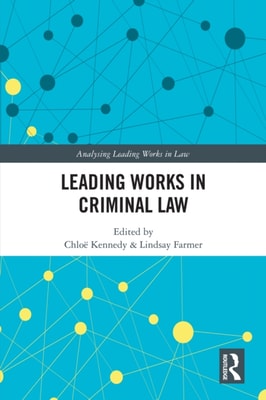
This book analyses a selection of leading works in the criminal law to ask questions about how the modern discipline of criminal law has developed, how it has been deployed in colonial and postcolonial contexts, and how criminal law scholarship has engaged with traditionally marginalised perspectives such as feminism, queer theory, and anti-carceral and abolitionist movements.
This book examines the drug dealer in contemporary society from an interdisciplinary perspective and considers the increasingly blurred demarcation between illegitimate and legitimate drug markets.
This important reference work examines trafficking from a geographic perspective and investigates the driving forces behind it and the powers that are trying to curtail the problem.
An up-to-date examination of Mexico's version of the "e;War on Drugs"e; that exposes the evolution of major cartels and their corruption of politicians, law-enforcement agencies, and the Army.
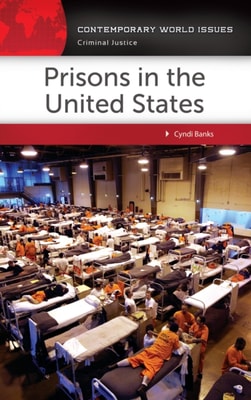
Offering perspectives from a range of experts, both academic and nonacademic, this reference book examines the development of prisons in the United States and addresses the principal contemporary issues and controversies of our prisons and prison systems.
This essential guide to visual storytelling for news media students and professionals, grounds you in proven techniques while it lights your path to the future of new media storytelling in the digital world.
This book describes the findings from a study that aimed to contribute to current knowledge about intimate partner violence (IPV) desistance processes.
This essential guide to visual storytelling for news media students and professionals, grounds you in proven techniques while it lights your path to the future of new media storytelling in the digital world.
This book describes the findings from a study that aimed to contribute to current knowledge about intimate partner violence (IPV) desistance processes.
How one law tells the story of America's modern criminal justice movementIn late 2018, the First Step Act was signed into law by President Donald Trump just hours before a government shutdown.
A Chicago journalist reveals how pervasive police misconduct, brutality, and corruption are changing the perspective of the criminal justice system and eroding the morals of the American people.
Redefining School Safety and Policing identifies and works to eliminate systemic issues in school policing that negatively impact students of color, LGBTQIA+ students, and other marginalized populations.
This book revisits and reframes the old, but active, debate on the relationship between criminality and civil war by bringing both the state and political power into the equation.
Drawing on a range of theoretical and empirical perspectives, this volume examines the roles strategic communications play in creating social media messaging campaigns designed to engage in digital activism.
This book revisits the 1970 Kent State shootings, also known as the May 4 massacre and the Kent State massacre, using a new approach of currere and psychoanalytic guided regression.
Presenting an original institutional approach, this book makes the case for an empirically based crime economics that aims to guide the fight against crime within a logic of reasonable capitalism and the common good.
This book provides a fresh look at the way the United States is choosing to deal with some of the serious or persistent youth offenders: by transferring juvenile offenders to adult courts.