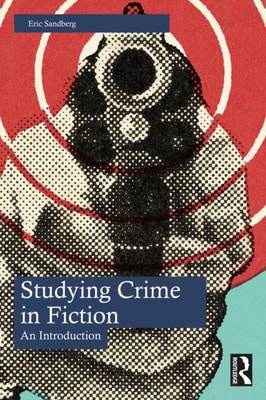
The primary aim of Studying Crime in Fiction: An Introduction is to introduce the emerging cross-disciplinary area of study that combines the fields of crime fiction studies and criminology.
This book examines the extent to which peacebuilding processes such as disarmament, demobilization, and reintegration are possible in the attempt to demilitarize Nigeria's oil region and establish a stable post-conflict environment for nurturing durable peace.
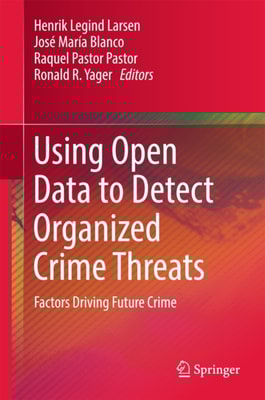
This work provides an innovative look at the use of open data for extracting information to detect and prevent crime, and also explores the link between terrorism and organized crime.
This book calls for a multidimensional and comprehensive approach to reduce the number of school shootings, rather than the simplistic unidimensional strategy that is commonly advocated.
This book develops the discourse on the experiences of ex-combatants and their transition from war to peace, from the perspective of scholars across disciplines.
Compliance has long been identified by scholars of white-collar crime as a key strategic control device in the regulation of corporations and complex organisations.
This book offers a comparison of the differences between the 'public' and 'private' spheres, and questions the need for law enforcement to intrude upon both.
As scholars have by now long contended, global neoliberalism and the violence associated with state restructuring provide key frameworks for understanding flows of people across national boundaries and, eventually, into the treacherous terrains of the United States borderlands.
This book focuses on the enforcement aspect of tobacco control policy, and argues that the intense regulation of the tobacco market will never be successful as long as it can be circumvented by the availability of illicit tobacco products.