This book provides the first sustained empirical evidence on the relationships between marriage migration and processes of integration, focusing on two of the largest British ethnic minority groups involved in these kinds of transnational marriages - Pakistani Muslims and Indian Sikhs.
This book tells the story of government-sponsored wiretapping in Britain and the United States from the rise of telephony in the 1870s until the terrorist attacks of 9/11.
This practical and accessible textbook/reference describes the theory and methodology of digital forensic examinations, presenting examples developed in collaboration with police authorities to ensure relevance to real-world practice.
This book outlines the theory of convenience for white-collar crime to explain what motivates and enables offenders, providing a unique focus on white-collar crime in the business context.
This book examines the impact and implications of the relationship between risk and criminal justice in advanced liberal democracies, in the context of the 'revolt against uncertainty' which has underpinned the rise of populist politics across these societies in recent years.
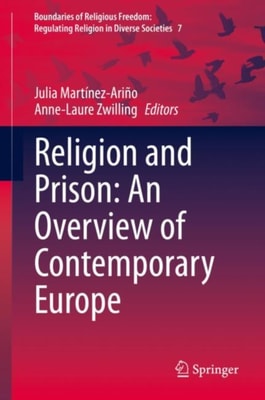
This volume offers a European overview of the management of religious diversity in prisons and provides readers with rich empirical material and a comparative perspective.
Grounded in nine years of ethnographic research on the al Muhajiroun/Ahlus Sunnah Wal Jamaah movement (ALM/ASWJ), Douglas Weeks mixes ethnography and traditional research methods to tell the complete story of al Muhajiroun.
This book is an innovative presentation of the way in which the descendants of Muslim immigrants from Algeria in France perceive and deal with multiple social identifications.
This book is the first to focus on violent and/or 'abusive' behaviours in lesbian, gay, bisexual and/or transgender, non-binary gender or genderqueer people's intimate relationships.
This book offers a comprehensive examination of the ways in which the criminal justice system of England and Wales has regulated, and failed or refused to regulate, lesbianism.
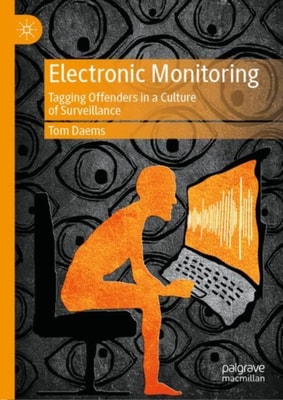
This book offers a systematic, sociological and penological exploration of the most up-to-date uses of electronic tagging (also known as electronic monitoring).
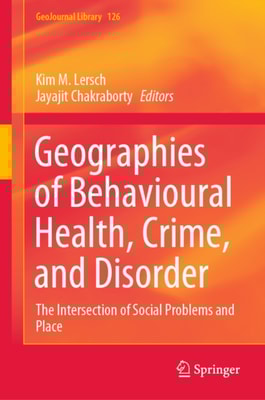
This book focuses on the intersection of place and overall community health thereby focusing on some of the most critical contemporary social problems, including the opioid crisis, suicide, socioeconomic status and ethnicity, mental illness, crime, homelessness, green criminology, and social and environmental justice.
This book provides a quantitative, cross-nationally comparative, longitudinal, and multilevel study of the drivers and spoilers of national governments' anti-trafficking measures.
This book is the first of its kind, combining international perspectives on the current ethical considerations and challenges facing bioarchaeologists in the recovery, analysis, curation, and display of human remains.
This book brings to life the experiences of children affected by maternal imprisonment, and provides unique, in-depth analysis of judicial thinking on this issue.
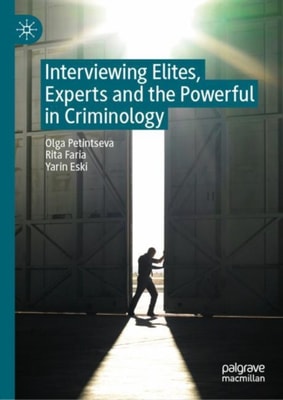
This book offers practical advice on designing, conducting and analyzing interviews with 'elite' and 'expert' persons (or 'socially prominent actors'), with a focus on criminology and criminal justice.
This book investigates the contested phenomena of Islamophobia, exploring the dichotomous relationship that exists between Islamophobia as a political concept and Islamophobia as a 'real' and tangible discriminatory phenomenon.
Combining theory with practical application, this seminal introduction to juvenile delinquency and juvenile justice integrates the latest research with emerging problems and trends in an overview of the field.
This book explores the use of the internet by (non-Islamic) extremist groups, drawing together research by scholars across the social sciences and humanities.
This book offers a theoretically-based study on crimes against protected wildlife in mainland China with first-hand empirical data collected over five years.
This book closes a gap in decolonizing intersectional and comparative research by addressing issues around the mass incarceration of Indigenous women in the US, Australia, Canada, and Aotearoa New Zealand.
This book is the first of its kind, combining international perspectives on the current ethical considerations and challenges facing bioarchaeologists in the recovery, analysis, curation, and display of human remains.