Adoption is a transformational process bringing parenthood to those who long for but cannot bear children and giving stranded children home, family, and their place in the world.
Adoption is a transformational process bringing parenthood to those who long for but cannot bear children and giving stranded children home, family, and their place in the world.
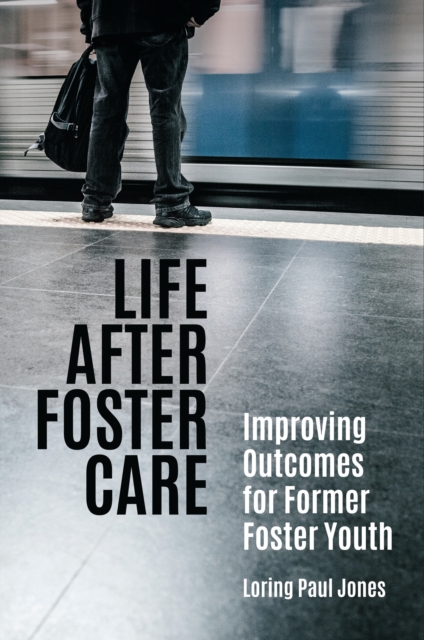
America's foster care system has a noble goal - to care for children that for various reasons can no longer be cared for by their families - but years of inattention and inadequate funding have left many foster youth in a precarious state.
This book apprises readers of the present conditions of former and emancipated foster youth, provides evidence-based best practices regarding their experiences, and proposes new policies for ensuring better outcomes for these children upon discharge from foster care.
Healing the Hidden Hurts: Transforming Attachment and Trauma Theory into Effective Practice with Families, Children and Adults provides a unique collection of professional and personal responses to the challenges that arise in dealing with attachment difficulties.
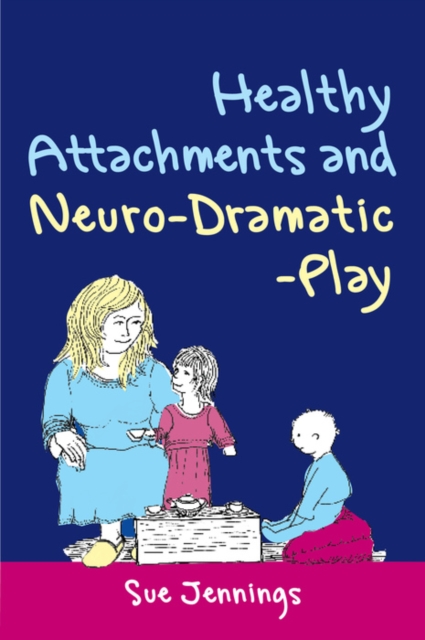
Breaking new ground in the areas of attachment and child development, Sue Jennings introduces the concept of 'Neuro-Dramatic-Play' exploring the sensory experiences that take place between mother and child during pregnancy and the first few months after birth.
Around three quarters of people who turn to adoption do so because of infertility and those working in this field need information, guidance and support to assist them in the process of adoption to support the adopters and to deal with any issues that may result from infertility.
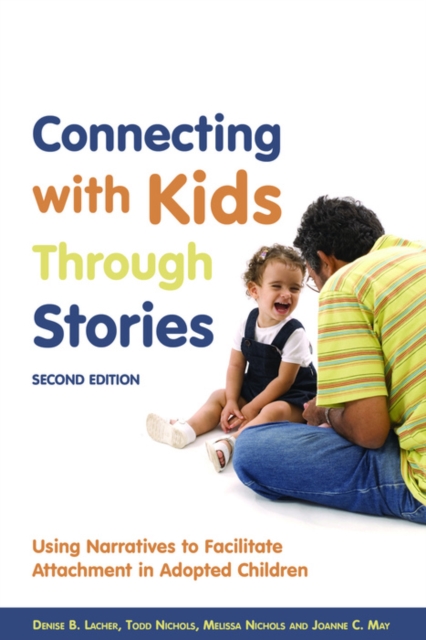
Adopted children whose early development has been altered by abuse or neglect may form negative beliefs about themselves and parents, and may resist connecting with others.
Most adopted children and their families will, sooner or later, encounter the challenges of dealing with unresolved attachment issues or early traumatic experiences.
Conventional parenting is not adequate to address the needs of children whose emotional development has been frozen, distorted or interrupted as a result of trauma.
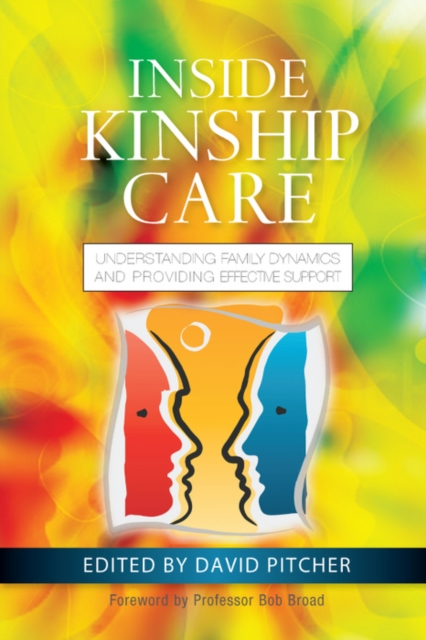
Kinship care - the care of children by grandparents, other relatives or friends - is a major part of foster care, yet there are distinct issues that arise in care involving family rather than 'stranger' foster carers.
Breaking new ground in the areas of attachment and child development, Sue Jennings introduces the concept of 'Neuro-Dramatic-Play' exploring the sensory experiences that take place between mother and child during pregnancy and the first few months after birth.
Simple and concise, The Teacher's Introduction to Attachment offers an easy way to understand children with attachment issues and how they can be supported.
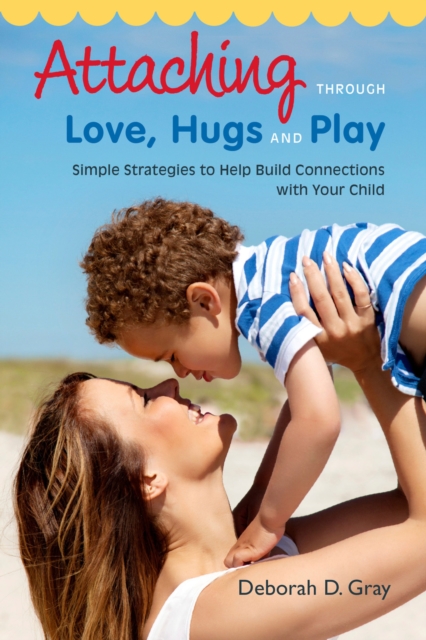
Capturing the warmth and fun of forming close relationships with children, this book offers simple advice to parents of children who find it difficult to attach and bond - whether following adoption, divorce or other difficult experiences.
Understanding Fetal Alcohol Spectrum Disorder (FASD) is a useful introduction to the most common non-genetic learning disability, which is caused by alcohol consumption during pregnancy.
In this classic adoption picture book for children, Mother Bird rises to meet the challenges of bringing up her baby bird against all odds in an enduring tale of sacrifice, wisdom and love.
Children and young people in care rarely match the academic achievements of their peers and policy and procedures to address this inequality have not yet remedied the problem.
A Practical Guide to Fostering Law is an accessible, jargon-free guide to the key elements of the law that concern foster carers and the professionals who work with them.
A child's capacity to cope with adversity and 'stand on their own two feet' is seen as critical to their development, well-being, and future independence and success in adulthood.
Around three quarters of people who turn to adoption do so because of infertility and those working in this field need information, guidance and support to assist them in the process of adoption to support the adopters and to deal with any issues that may result from infertility.
Adopted children whose early development has been altered by abuse or neglect may form negative beliefs about themselves and parents, and may resist connecting with others.
The decision whether or not to reunify a child in care with their birth family is one of the most serious taken by children's services, and often involves considerable risk.
Kinship care - the care of children by grandparents, other relatives or friends - is a major part of foster care, yet there are distinct issues that arise in care involving family rather than 'stranger' foster carers.