This book outlines a framework for art therapy with older adults rooted in a belief in the autonomy and self-efficacy of older adults, including those with dementia or other diseases of later life.
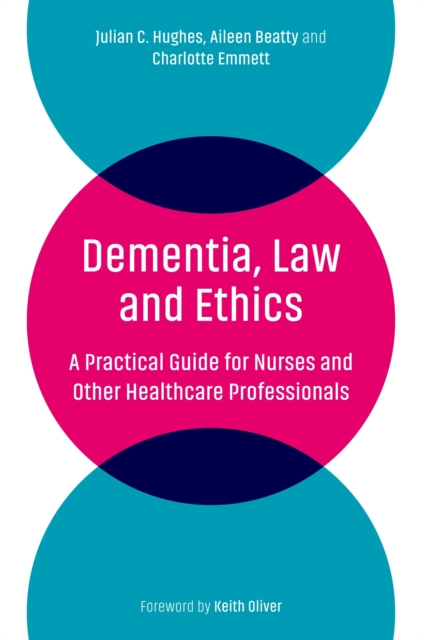
Clinical dilemmas in dementia contexts are often not because the clinical facts are in doubt, but because the ethical and legal underpinnings are uncertain - which can cause worry and confusion.
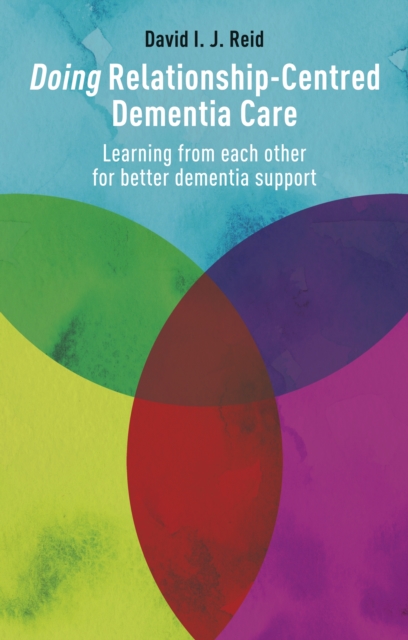
Sharing and evaluating a series of relationship-centred approaches to dementia care, this book enables practitioners to have hands-on involvement in improving the quality of this care.
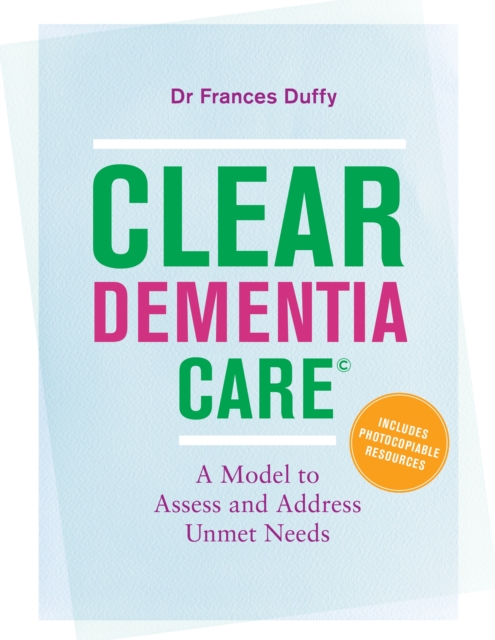
The CLEAR Dementia Care(c) model is an effective method of assessing behaviour that challenges, through an understanding that such behaviour may be a way of communicating unmet needs.
Proven to enhance wellbeing, posture, breathing and sleep, and reduce anxiety and agitation, this programme shows how yoga can be adapted to benefit people with dementia.
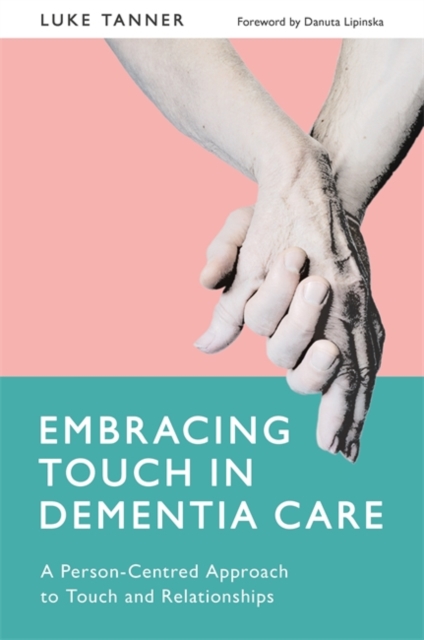
Despite being integral parts of all our identities, sexuality, sex and intimacy are what many would call the Last Taboo in dementia care, usually seen as 'problem behaviours' to be stopped and dealt with.
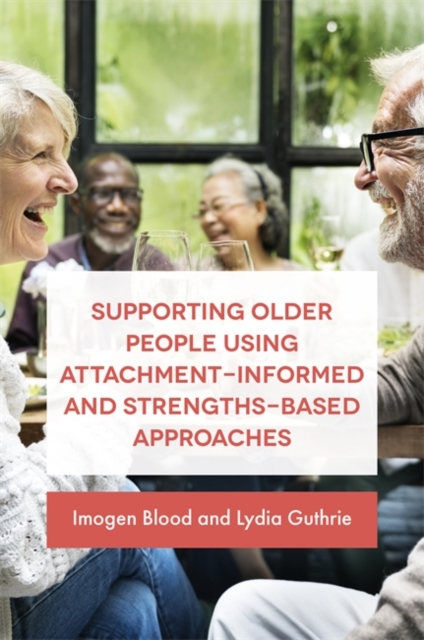
The significance of attachment theory for working with older people has been overlooked, and yet its importance is clear - evident in the experiences of people who struggle to adapt to new ways of living, to life with limiting health conditions, or to new social networks.
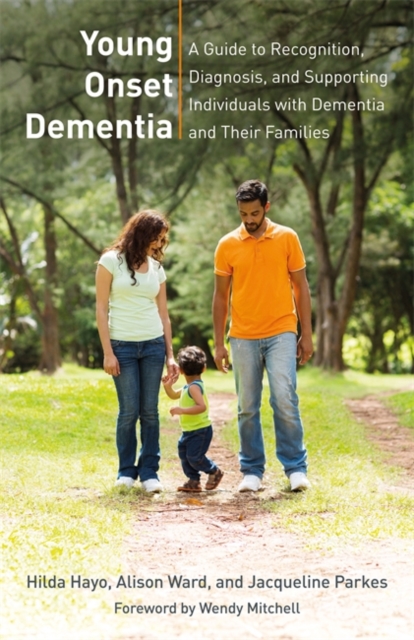
Providing key information and insight into the experiences of people living with a diagnosis of young onset dementia, this book will increase the knowledge and skills of health and social care professionals in the early recognition, diagnosis and support of young people with dementia and their families.
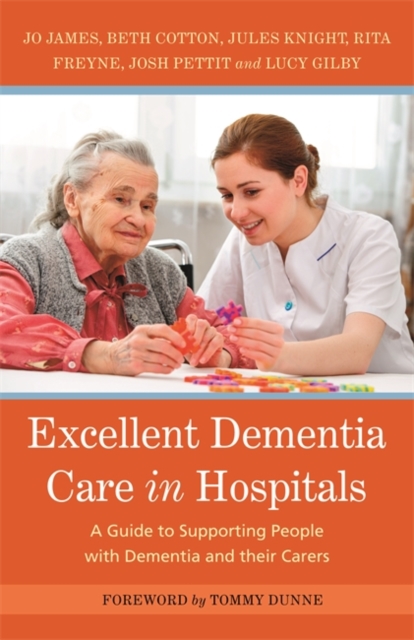
Highly Commended in Medicine in the 2018 BMA Medical Book AwardsPeople with dementia increasingly find themselves staying in hospitals for extended periods, often due to separate health issues.
Traditionally, dementia has been defined primarily in terms of loss: loss of cognitive and communicative competencies, loss of identity, loss of personal relationships.
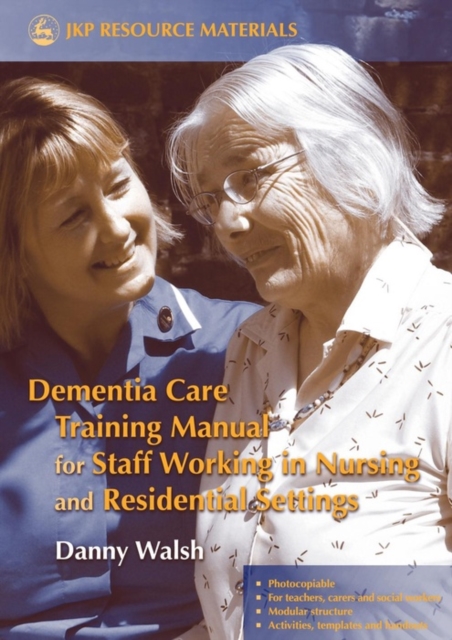
This accessible, interactive resource book encourages front-line staff working with dementia sufferers in nursing and residential settings to examine their working practice and modify it to where appropriate to meet best practice guidelines.
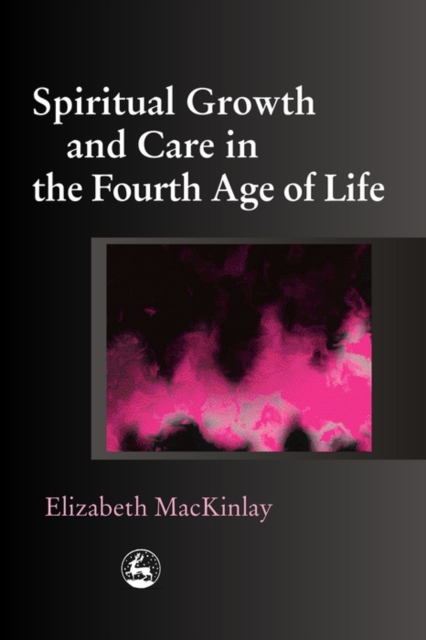
Spiritual Growth and Care in the Fourth Age of Life explores the spiritual dimension of ageing and investigates the role of pastoral and spiritual care in helping the frail elderly cope with end-of-life issues.
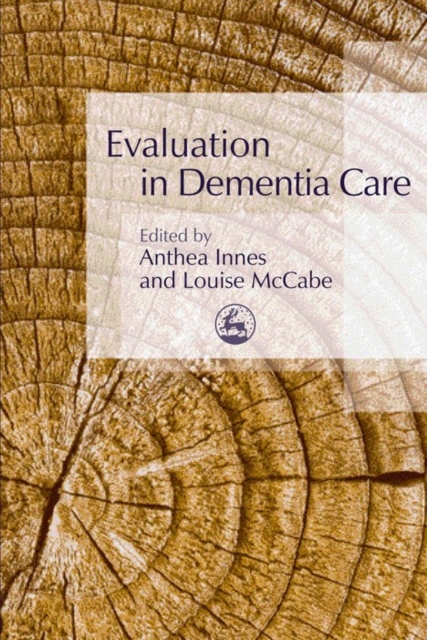
This authoritative collection sets out the critical role and application of evaluation in identifying and developing good practice in a range of dementia care settings.
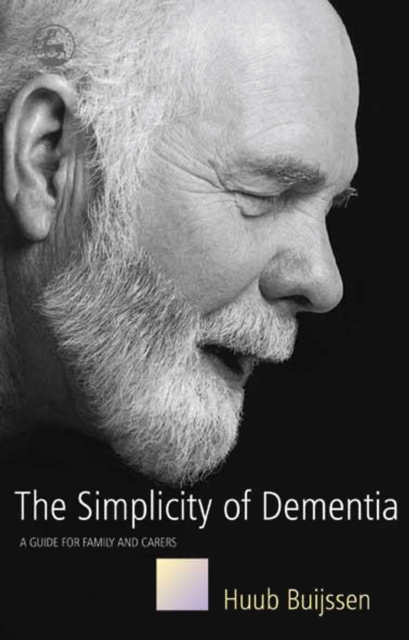
This book offers an accessible and sympathetic introduction for relatives, carers and professionals looking after or training to work with people with dementia.
Offering practical advice for arts therapists and health care professionals, this book emphasizes the importance of putting the individual before the illness to provide holistic, person-centred support for people with dementia.
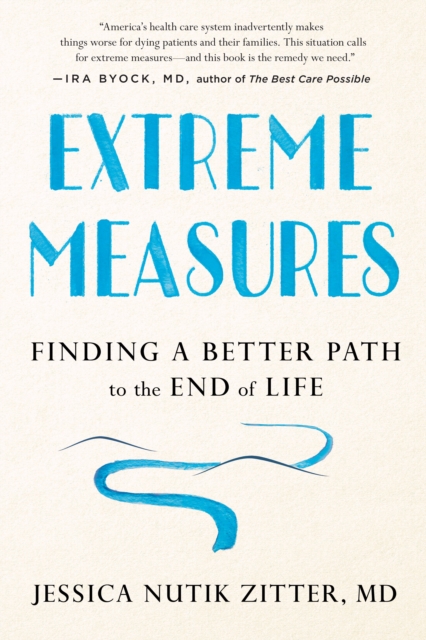
For readers of Being Mortal and Modern Death, an ICU and Palliative Care specialist offers a framework for a better way to exit life that will change our medical culture at the deepest level
In medical school, no one teaches you how to let a patient die.
Social Care, Service Users and User Involvement provides a definitive introduction to practical, philosophical and theoretical issues at the heart of user involvement.
To lead good care, social care managers must have professional and personal authority: a clear understanding of the core task and the emotional challenges of care, and the imagination to create an organisation or team dedicated to meeting people's needs.
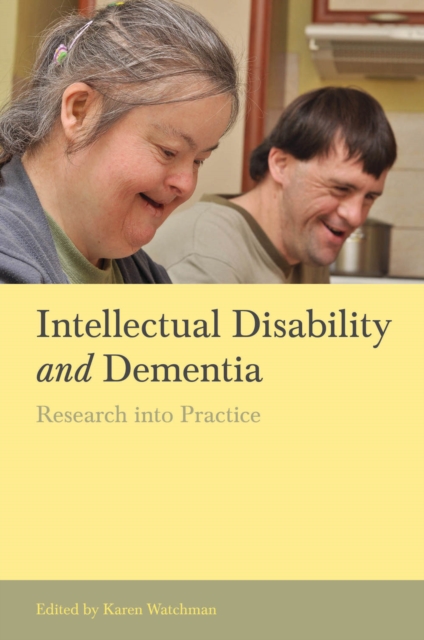
Presenting the most up-to-date information available about dementia and intellectual disabilities, this book brings together the latest international research and evidence-based practice, and describes clearly the relevance and implications for support and services Internationally renowned experts from the UK, Ireland, the USA, Canada, Australia and the Netherlands discuss good practice and the way forward in relation to assessment, diagnosis, interventions, staff knowledge and training, care pathways, service design, measuring outcomes and the experiences of individuals, families and carers.
Whether you provide care for older people, or you are simply interested in ageing, this complete primer on the psychology of ageing explains the key issues clearly and concisely.
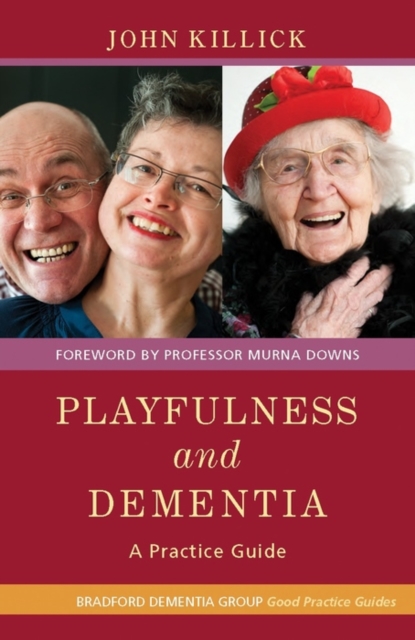
Establishing playfulness as an essential component of dementia care, this positive and uplifting book will be key in changing attitudes and providing ideas for new and valuable ways of interacting and being with individuals with the condition.
Art and the therapeutic uses of art provide older adults with valuable ways in which to express and share their feelings, needs and fears, and with a resource for coping with life's major changes.
Presenting the most up-to-date information available about dementia and intellectual disabilities, this book brings together the latest international research and evidence-based practice, and describes clearly the relevance and implications for support and services Internationally renowned experts from the UK, Ireland, the USA, Canada, Australia and the Netherlands discuss good practice and the way forward in relation to assessment, diagnosis, interventions, staff knowledge and training, care pathways, service design, measuring outcomes and the experiences of individuals, families and carers.
Positive shifts in attitudes mean that emphasis is now being placed on the person with dementia and their personal relationships, rather than the illness.
Establishing playfulness as an essential component of dementia care, this positive and uplifting book will be key in changing attitudes and providing ideas for new and valuable ways of interacting and being with individuals with the condition.