"The book addresses the topic of peace in Islam from multiple angles: jurisprudential, legal, historical, and philosophical, in terms of it being a fundamental concept in civilizational development and human relations.
Desde los antiguos griegos a los modernos físicos cuánticos, esta historia nos muestra cómo E=mc² no es solo una ecuación, sino la llave maestra para comprender los secretos más profundos del cosmos.
El imperio ha sido la forma de organización política más común durante la mayor parte de nuestra historia, pero las líneas que lo definen se han ido haciendo cada vez más borrosas.
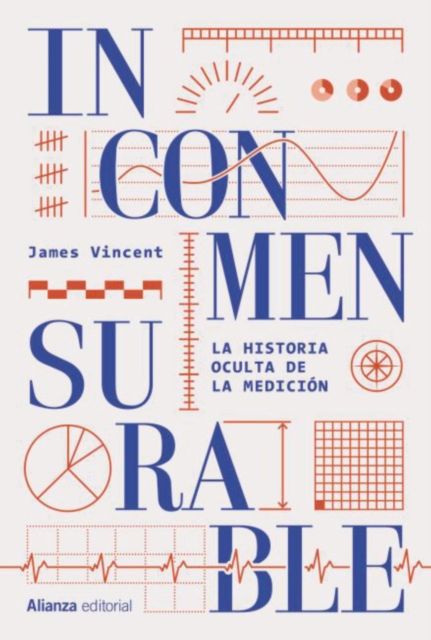
«Utilizaremos la historia de los relojes para analizar el capitalismo, el intercambio de conocimientos, la construcción de los imperios y los cambios radicales en nuestras vidas que ha provocado la industrialización.
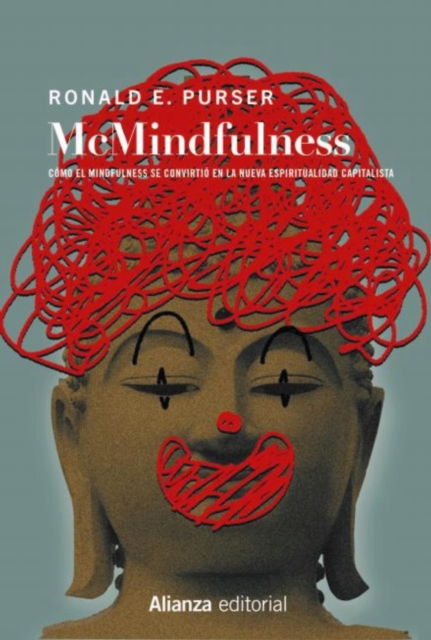
Tras cosechar el apoyo de todo tipo de celebridades y ver a monjes, neurocientíficos y gurús de la meditación compartir mesa con los directores ejecutivos de algunas de las empresas más poderosas del planeta en el Foro Económico Mundial de Davos, no cabe duda de que el mindfulness se ha convertido ya en una tendencia mayoritaria.
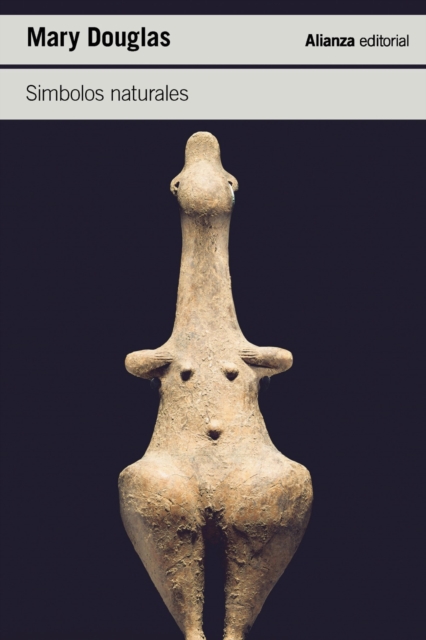
Escrita a lo largo de la convulsa época que agitó a la sociedad occidental a finales de los años 1960, Símbolos naturales (1970) es la obra más importante de la antropóloga Mary Douglas (1921-2007) junto con Pureza y peligro.
Félix Ovejero, filósofo en labores de artificiero, comparte su saber sobre los asuntos más diversos, de los problemas de las ciencias sociales a la racionalidad, la biología, la naturaleza humana, las convulsiones de la democracia, el identitarismo, la crisis y la posible refundación de la izquierda, el auge woke o la fundación de Ciudadanos.
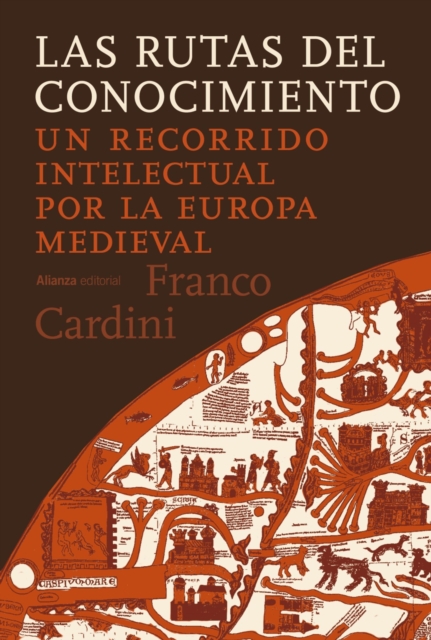
Franco Cardini nos descubre una Edad Media apasionante, una época viva y llena de intercambio y creatividad que sigue definiendo y dando forma a nuestro mundoLas rutas del conocimiento nos invita a un fascinante viaje a través de la Europa medieval, un mundo vibrante y profundamente conectado donde las ideas, las culturas y los saberes se entrelazaban en un tejido común que sentó las bases de la civilización occidental.
Pese a su corta vida, Robert Hertz (1881-1915), discípulo de Émile Durkheim y Marcel Mauss, ha pasado a la historia como uno de los científicos sociales contemporáneos más relevantes.
A pesar de que, lamentablemente, la soledad está en los últimos tiempos en boca de todos, hasta el punto de que se ha llegado a hablar de ella como una «epidemia moderna», es poco lo que sabemos sobre su historia y sus significados culturales.
La pandemia mundial desencadenada por la crisis del coronavirus trajo de su mano una inflación de heroísmo, y periodistas y políticos se apresuraron a ensalzar a los héroes y heroínas de la Covid allí donde el esfuerzo individual y colectivo se vio obligado a suplir la precariedad presupuestaria.
A principios del siglo XX, el genetista ruso Nikolái Vavílov recorrió medio mundo, estudió las semillas en toda su biodiversidad e investigó técnicas agrícolas para producir nuevas variedades de plantas más productivas y que se adaptaran mejor a los distintos climas de su inmensa nación.
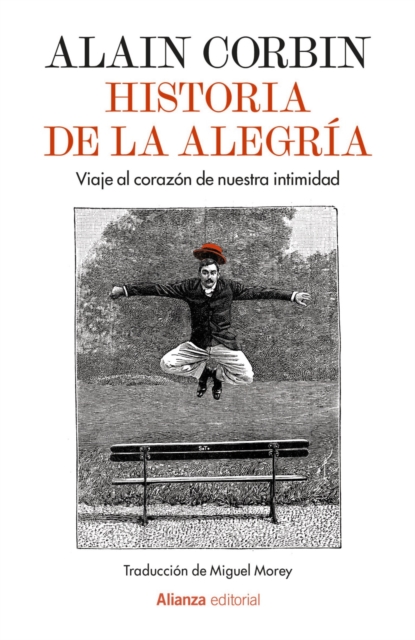
Dejando de lado las pasiones multitudinarias, Alain Corbin esboza, con un estilo asequible, rico en referencias y detalles, la historia de la emoción más huidiza: «la alegría íntima experimentada en lo más profundo del ser».
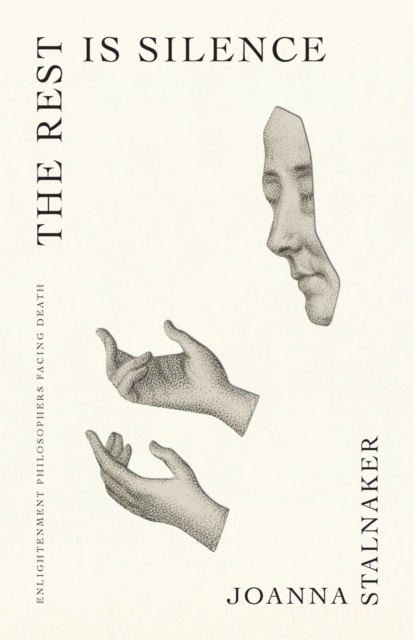
A moving, intimate portrait of the Enlightenment philosophers as they faced the end of their lives and their historical moment What would the Enlightenment look like if we viewed it through the eyes of the philosophers as they were facing death?
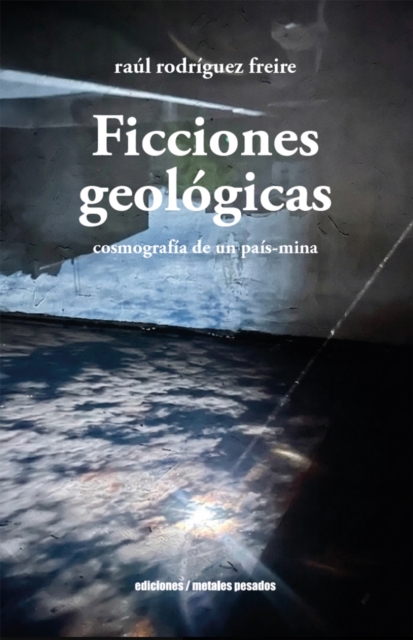
A partir de cómo se ha modelado la relación entre epistemología, territorio y profundidad, Ficciones geológicas propone una lectura material del extractivismo que ha marcado la historia nacional.
The book examines the experiences of newly economically empowered Afrodescendant Brazilian women as they try to access beauty despite the boundaries of race, class and gender.
The book examines the experiences of newly economically empowered Afrodescendant Brazilian women as they try to access beauty despite the boundaries of race, class and gender.
This book offers a comprehensive and interdisciplinary examination of how false information is strategically produced, circulated, and legitimized within contemporary digital communication environments.
En sus setenta años de reinado y noventa y seis años de vida, la reina Isabel II ha hecho historia hasta el punto de convertirse en la monarca británica más longeva y en una de las figuras más omnipresentes del último siglo, debido en parte al protagonismo que adquirieron los sombreros en su imagen pública.
This edited volume examines the unforeseen effects of the notion of intangible heritage on conservation practices not only for urban contexts, but more generally for cultural practices.
This edited volume examines the unforeseen effects of the notion of intangible heritage on conservation practices not only for urban contexts, but more generally for cultural practices.
This is not merely a book on methods; it is a toolbox designed to provide students with the critical guidelines and ethical reflections needed to conduct research on gender and media.
This is not merely a book on methods; it is a toolbox designed to provide students with the critical guidelines and ethical reflections needed to conduct research on gender and media.
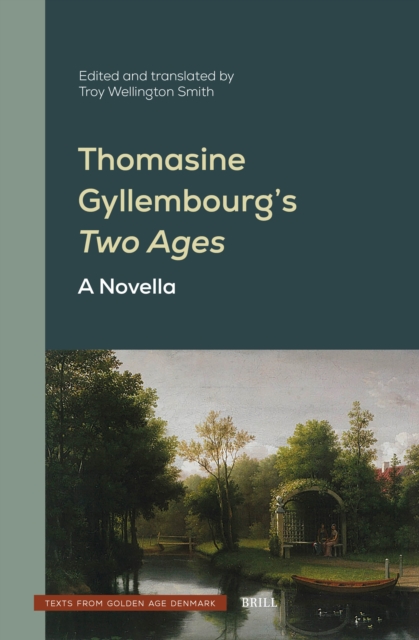
Although she is now overshadowed by Hans Christian Andersen and Soren Kierkegaard, Thomasine Gyllembourg was arguably the most popular prose fiction writer of the Danish Golden Age.
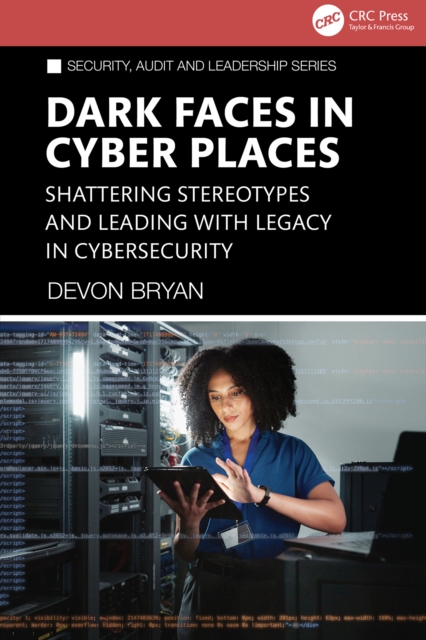
In an industry that often lacks representation, Dark Faces in Cyber Places shines a bright spotlight on the remarkable journeys of prominent cybersecurity CEOs, CISOs, and senior executives who have risen to the top, defying stereotypes and shattering long-held myths about what cybersecurity leaders look like.
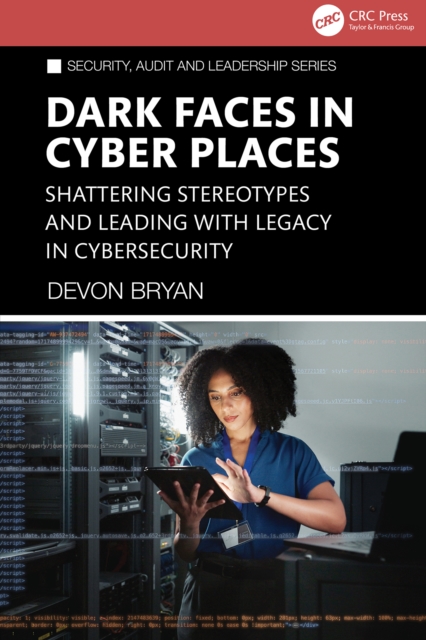
In an industry that often lacks representation, Dark Faces in Cyber Places shines a bright spotlight on the remarkable journeys of prominent cybersecurity CEOs, CISOs, and senior executives who have risen to the top, defying stereotypes and shattering long-held myths about what cybersecurity leaders look like.
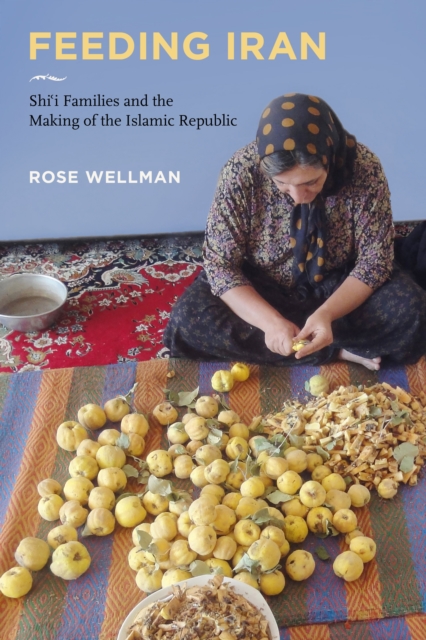
Since Irans 1979 Revolution, the imperative to create and protect the inner purity of family and nation in the face of outside spiritual corruption has been a driving force in national politics.
This book examines how contemporary global crises-climate change, migration, gender inequality, and economic precarity-are interconnected and shaped by communication, power, and representation.