Blue Ridge tacos, kimchi with soup beans and cornbread, family stories hiding in cookbook marginalia, African American mountain gardens-this wide-ranging anthology considers all these and more.
As narrow, nationalist views of patriotic allegiance have become widespread and are routinely invoked to justify everything from flag-waving triumphalism to xenophobic bigotry, the concept of a nonnationalist patriotism has vanished from public conversation.
Edmund Husserl, founder of the phenomenological movement, is usually read as an idealist in his metaphysics and an instrumentalist in his philosophy of science.
The Brown Goose, the White Case Knife, Ora's Speckled Bean, Radiator Charlie's Mortgage Lifter-these are just a few of the heirloom fruits and vegetables you'll encounter in Bill Best's remarkable history of seed saving and the people who preserve both unique flavors and the Appalachian culture associated with them.
Dead Letters to Nietzsche examines how writing shapes subjectivity through the example of Nietzsche's reception by his readers, including Stanley Rosen, David Farrell Krell, Georges Bataille, Laurence Lampert, Pierre Klossowski, and Sarah Kofman.
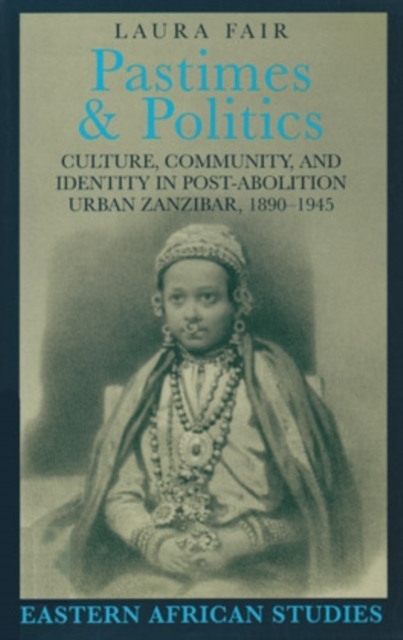
The first decades of the twentieth century were years of dramatic change in Zanzibar, a time when the social, economic, and political lives of island residents were in incredible flux, framed by the abolition of slavery, the introduction of colonialism, and a tide of urban migration.
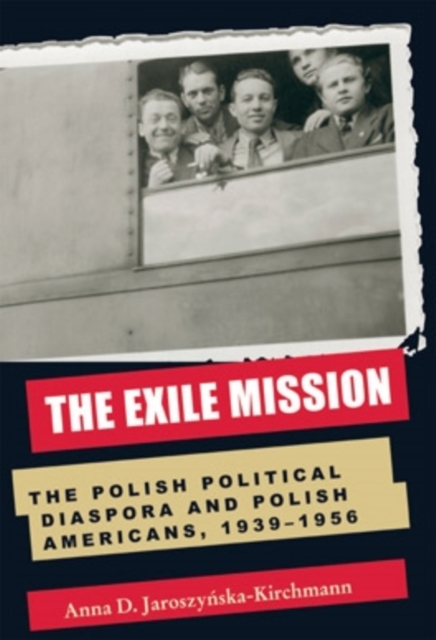
At midcentury, two distinct Polish immigrant groups-those Polish Americans who were descendants of economic immigrants from the turn of the twentieth century and the Polish political refugees who chose exile after World War II and the communist takeover in Poland-faced an uneasy challenge to reconcile their concepts of responsibility toward the homeland.
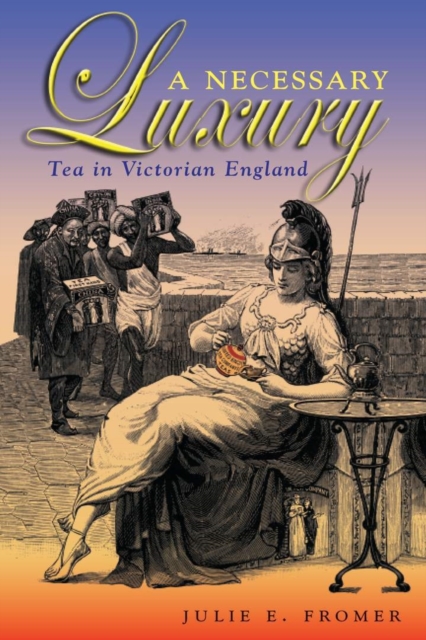
Tea drinking in Victorian England was a pervasive activity that, when seen through the lens of a century's perspective, presents a unique overview of Victorian culture.
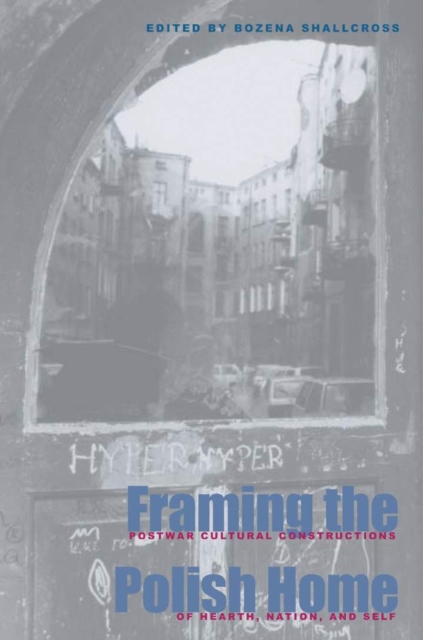
As the subject of ideological, aesthetic, and existential manipulations, the Polish home and its representation is an ever-changing phenomenon that absorbs new tendencies and, at the same time, retains its centrality to Polish literature, whether written in Poland or abroad.
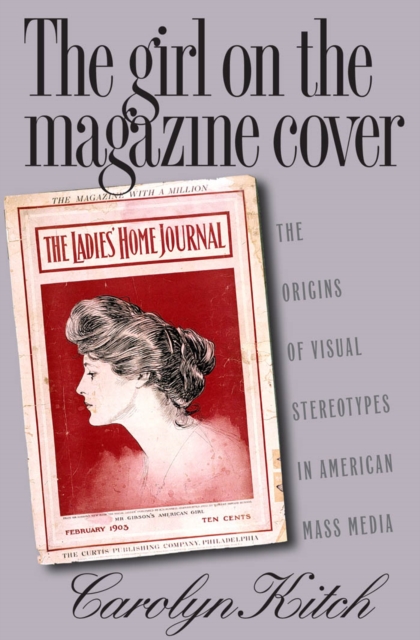
From the Gibson Girl to the flapper, from the vamp to the New Woman, Carolyn Kitch traces mass media images of women to their historical roots on magazine covers, unveiling the origins of gender stereotypes in early-twentieth-century American culture.
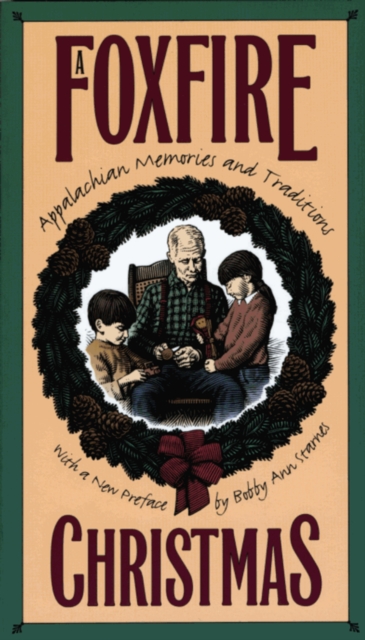
New in paperbackThis captivating book of recollections celebrates the holiday traditions of Appalachian families as passed from one generation to the next.
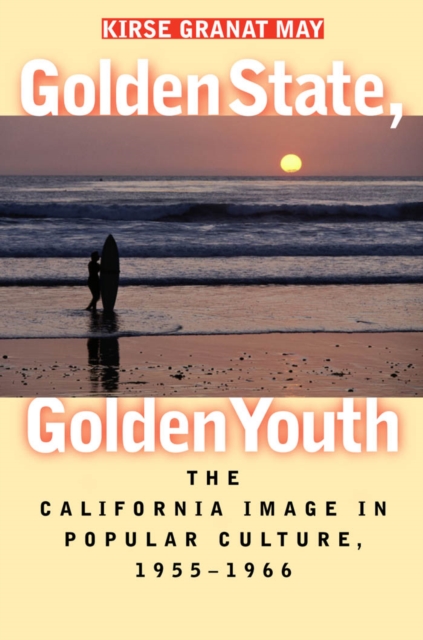
Seen as a land of sunshine and opportunity, the Golden State was a mecca for the postWorld War II generation, and dreams of the California good life came to dominate the imagination of many Americans in the 1950s and 1960s.
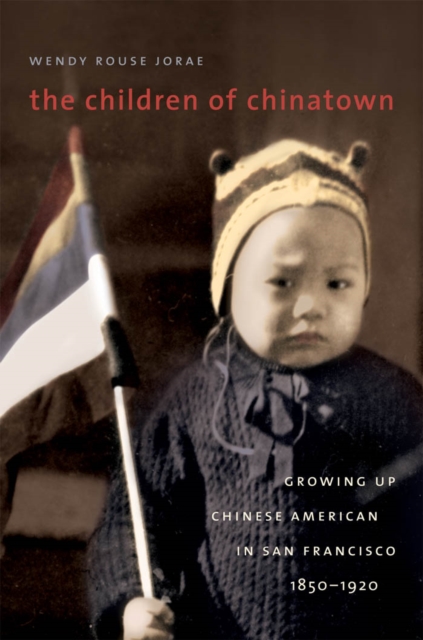
Revealing the untold stories of a pioneer generation of young Chinese Americans, this book places the children and families of early Chinatown in the middle of efforts to combat American policies of exclusion and segregation.
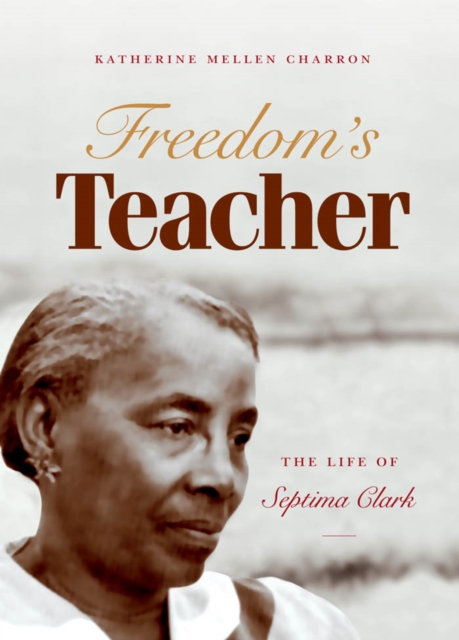
In the mid-1950s, Septima Poinsette Clark (1898-1987), a former public school teacher, developed a citizenship training program that enabled thousands of African Americans to register to vote and then to link the power of the ballot to concrete strategies for individual and communal empowerment.
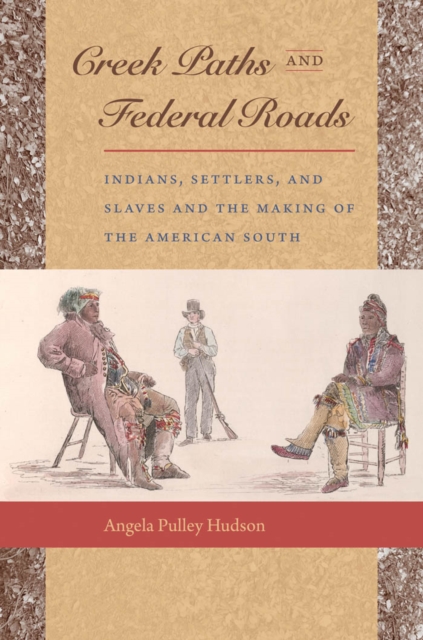
In Creek Paths and Federal Roads, Angela Pulley Hudson offers a new understanding of the development of the American South by examining travel within and between southeastern Indian nations and the southern states, from the founding of the United States until the forced removal of southeastern Indians in the 1830s.
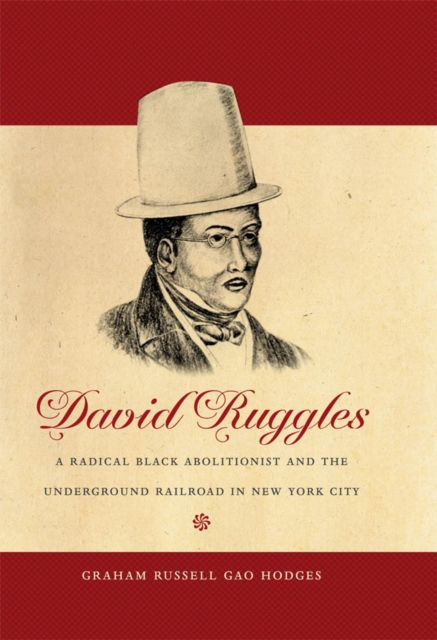
David Ruggles (18101849) was one of the most heroic and has been one of the most often overlooked figures of the early abolitionist movement in America.
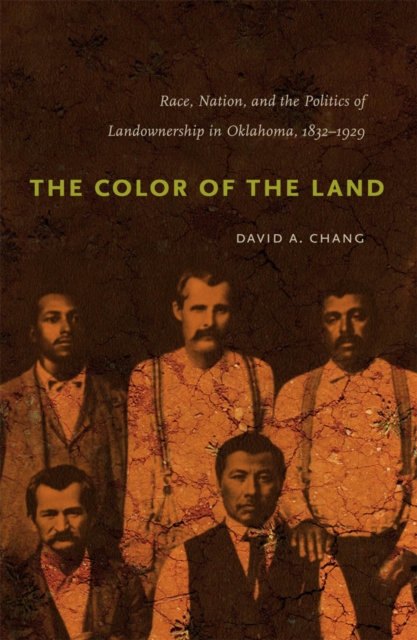
The Color of the Land brings the histories of Creek Indians, African Americans, and whites in Oklahoma together into one story that explores the way races and nations were made and remade in conflicts over who would own land, who would farm it, and who would rule it.
In a direct, frank, and intimate exploration of Iranian literature and society, scholar, teacher, and poet Fatemeh Keshavarz challenges popular perceptions of Iran as a society bereft of vitality and joy.
During the westward expansion of America, white middle-class ideals of home and domestic work were used to measure differences between white and Native American women.
In a pathbreaking new assessment of the shaping of black male identity in the early twentieth century, Martin Summers explores how middle-class African American and African Caribbean immigrant men constructed a gendered sense of self through organizational life, work, leisure, and cultural production.
In resource-challenged Athens County, Ohio, staff and volunteers at the nonprofit Athens County Foundation came up with a daring idea: to host a locally sourced, gourmet dinner for four hundred people.
Sultans, Spices, and Tsunamis: The Incredible Story of the World's Largest Archipelago Indonesia is by far the largest nation in Southeast Asia and has the fourth largest population in the world after the United States.
'A joy' Philippe Sands'Glorious' David SpiegelhalterA fascinating, enchanting and personal look at the meaning of luck, and the way in which it has shaped our shared history and continues to inflect our day to day lives.
Compiled by the great Neo-Confucian philosopher Chu Hsi (1130-1200), the Family Rituals is a manual for the private performance of the standard Chinese family rituals: initiations, weddings, funerals, and sacrifices to ancestral spirits.
A hilarious, heartfelt memoir about one woman's midlife obsession with Benedict Cumberbatch, and the liberating power of reclaiming our passions as we age, whatever they may be.
An alternative look at Japanese life, history and cultureYour Rough Guide or Lonely Planet book can tell who where to stay or what to see, but how do you really get under the skin of Japan?