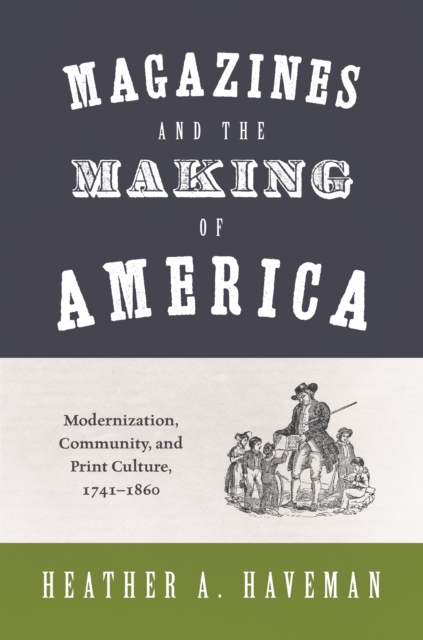
From the colonial era to the onset of the Civil War, Magazines and the Making of America looks at how magazines and the individuals, organizations, and circumstances they connected ushered America into the modern age.
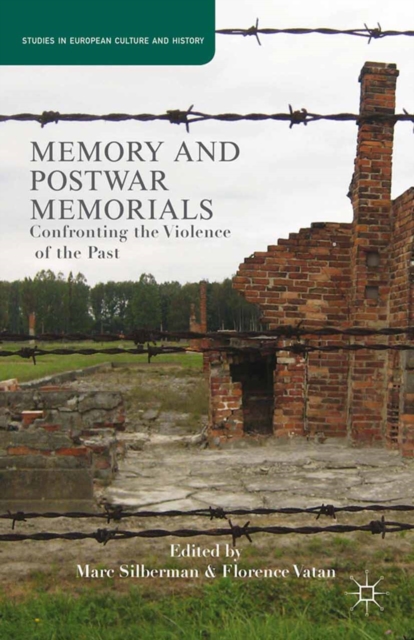
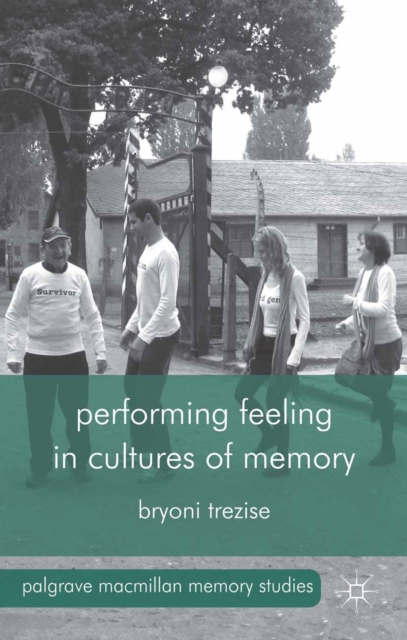
The twentieth century witnessed genocides, ethnic cleansing, forced population expulsions, shifting borders, and other disruptions on an unprecedented scale.
The first book to systematically discuss the skills and literacies needed to use digital media, particularly the Internet, van Dijk and van Deursen's clear and accessible work distinguishes digital skills, analyzes their roles and prevalence, and offers solutions from individual, educational, sociological, and policy perspectives.
El tercer tomo de Ser adolescente en el Perú se centra en los aspectos vinculados con la cultura escolar, el aprendizaje y las actividades que las y los adolescentes realizan, así como en la relación con sus docentes.
Through nine seasons the TV show Supernatural has delved into social, philosophical, literary, and theological themes that not only add depth to the show, but reflect our era's intellectual concerns.
Politische Kommunikation ist nicht nur von Sachfragen geprägt, sie muss sich auch an den Bedingungen, die Medien, Öffentlichkeit und politisches Umfeld an sie stellen, ausrichten.
As Food Studies has grown into a well-established field, literary scholars have not fully addressed the prevalent themes of food, eating, and consumption in Chicana/o literature.
This edited book provides an insight into the new approaches, challenges and opportunities that characterise open source intelligence (OSINT) at the beginning of the twenty-first century.
From #Gamergate to the 2016 election, to the daily experiences of marginalized perspectives, gaming is entangled with mainstream cultures of systematic exploitation and oppression.
Class, Crime and International Film Noir argues that, in its postwar, classical phase, this dark variant of the crime film was not just an American phenomenon.
Buddhism, Digital Technology and New Media in Korea introduces Uisang (625-702), a seminal figure in East Asian religion who founded the Korean Hwaom school of Buddhism, from various angles by placing his thought in the interdisciplinary and intercultural context of the twenty-first century.
Ernst Cassirer's thought-provoking essay Form and Technology (1930) ascribes to technology a new dignity as a genuine tool of the mind in equal company with language and art.
This collection addresses the significant cultural phenomenon of the 'zombie renaissance' - the growing importance of zombie texts and zombie cultural practices in popular culture.
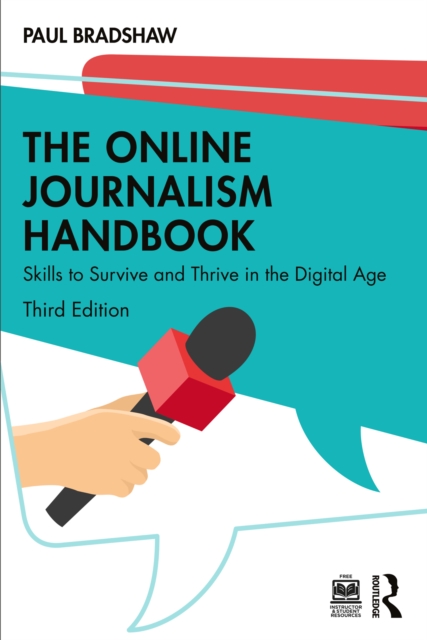
The Online Journalism Handbook offers a comprehensive guide to the ever-evolving world of digital journalism, showcasing the multiple possibilities in researching, writing, and storytelling provided by new technologies.
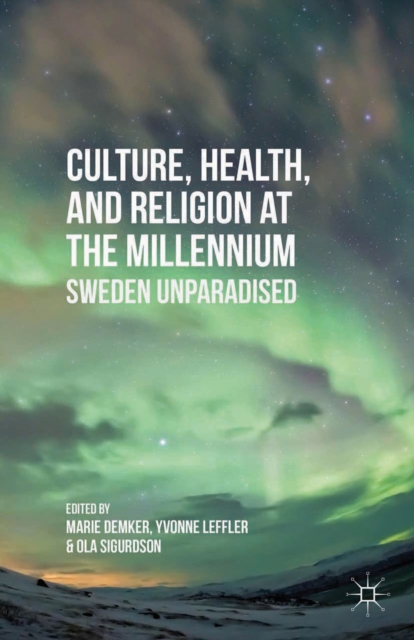
The book presents interpretations of culture, health, politics, and religion in Sweden today, Sweden transforms from the well-functioning but existentially bland economic wonder to a more fragmented and gloomy society.
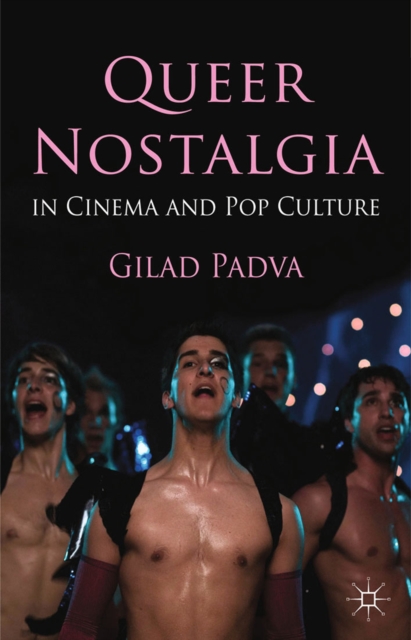
Queer Nostalgia in Cinema and Pop Culture is a fascinating study of queer nostalgia in films, animation and music videos as means of empowerment, re-evaluating and recreating lost gay youth, coming to terms with one's sexual otherness and homoerotic desires, and creatively challenging homophobia, chauvinism, ageism and racism.
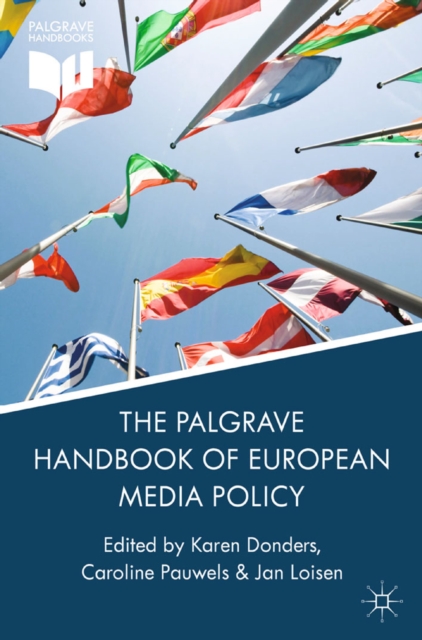
Containing state-of-the-art contributions on the various domains of European media policies, this Handbook deals with theoretical approaches to European media policy: its historical development; specific policies for film, television, radio and the Internet; and international aspects of the fragmented policy domain.
Literature and Film, Dispositioned looks to twentieth-century literature's encounter with film as a means to thinking about the locations of thought in literature and literature's location in the world.
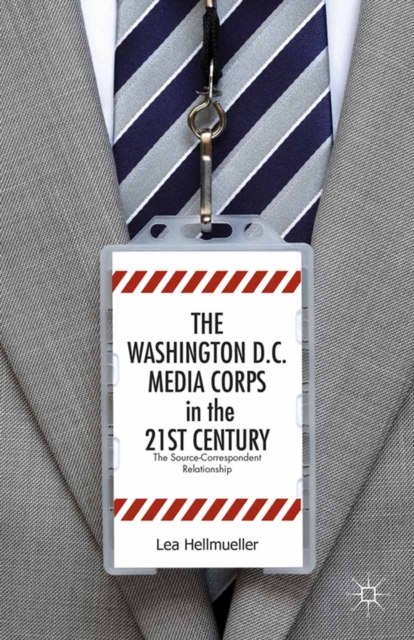
The book provides a fresh perspective on the shifting media landscape within Washington DC, re-evaluating journalist-source relationships, the power dynamic within the media corps, and the ways in which technology have changed the description of DC political news - detailing the ways in which media relationships are changing within Washington DC.