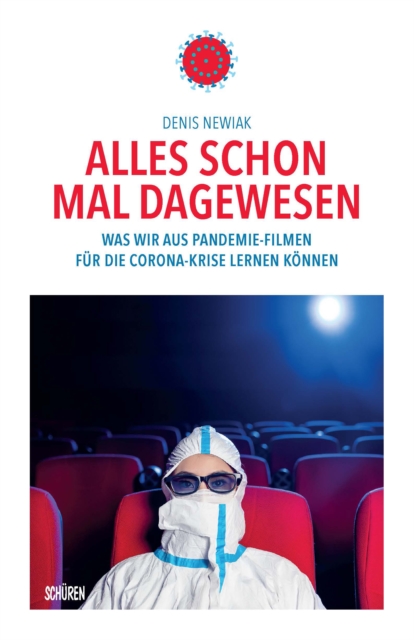
Binnen weniger Wochen hat sich unser aller vermeintlich so sicheres Leben geändert: Lockdown, Homeoffice, Kontaktbeschränkungen, tägliche Bulletins von Virologen, Protestbewegungen und Verschwörungsfantasien.
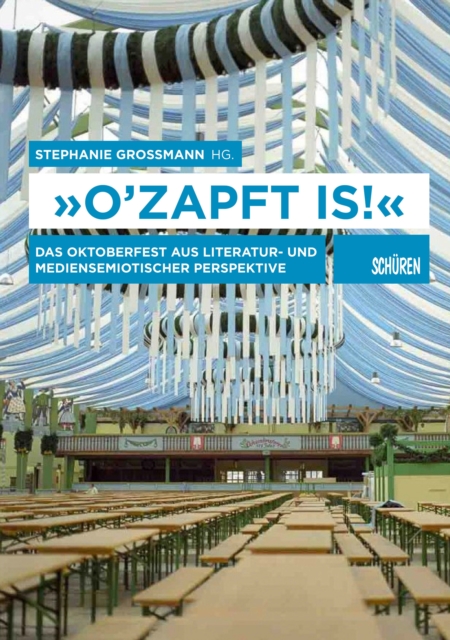
Mit jährlich mehr als sechs Millionen Besucherinnen und Besuchern und einer länger als 200-jährigen Tradition ist das Münchner Oktoberfest das weltweit größte und nahezu älteste säkulare Volksfest, welches über eine enorme Strahlkraft weit über die bayerischen und deutschen Grenzen hinaus verfügt und die internationalen Vorstellungen über deutsche Wesensarten prägt.
"Ungeschnitten" erforscht das ästhetische, konzeptionelle und diskursive Potential der Sequenzeinstellung und profiliert den Begriff des Ungeschnittenen für die künftige Filmforschung.
Die technologischen Fortschritte bezüglich der Interaktion von Menschen, Maschinen und ihren jeweiligen Umwelten haben in den letzten Jahren zunehmend zur Erfindung neuer und spezifischerer Medienbegriffe geführt.
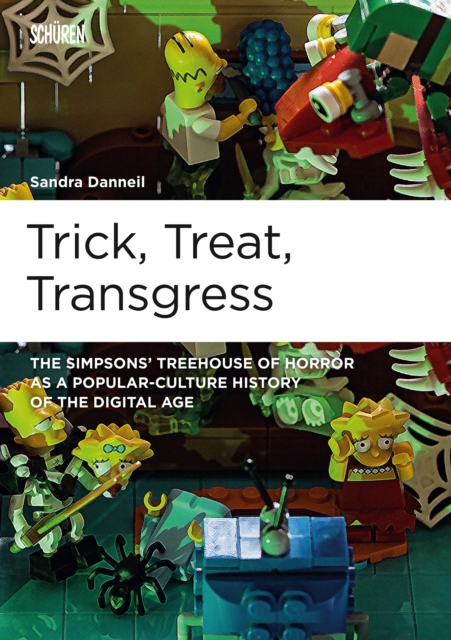
The Simpsons are not only the world's most famous TV family; they arealso the protagonists of one of the longest-lasting animation programs inUS television.
30 Jahre nachdem Felix Guattari den Begriff des Postmassenmedialen als notwendige Bedingung medialer Teilhabe eingefuhrt hat, wirkt er weiterhin in den Arbeiten nachfolgender Generationen nach.
Der erste Band der Reihe stellt eine aktuelle Bestandsaufnahme dar, zugleich liefert der Band neue Impulse zu einer zeitgemäßen interdisziplinären Film- und Textualitätsforschung.
Die Familie ist keine konfliktfreie Zone, sondern ein Ort, an dem Generationen und ihre jeweiligen Weltsichten aufeinander prallen, an dem Genderrollen erlernt, vielleicht auch hinterfragt werden, an dem Werte und Normen vermittelt und soziale Kompetenzen trainiert werden.
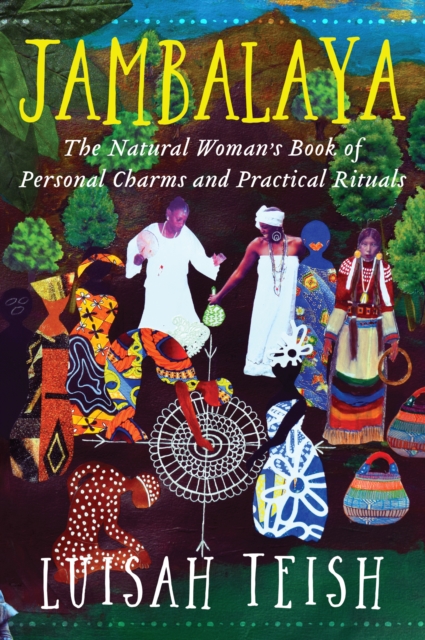
A refreshed edition of Jambalaya: The Natural Womans Book of Personal Charms and Practical Ritualsupdated with a note from the author sharing the changes that have occurred in the 30 years since its original publication.
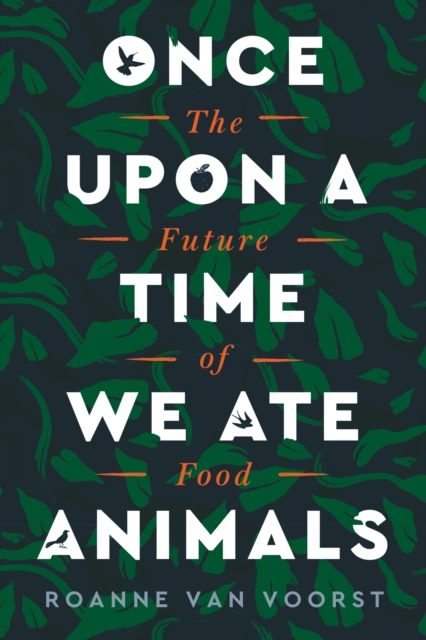
Combining the ethical clarity of Jonathan Safran Foers Eating Animals with the disquieting vision of Alan Weissmans bestseller The World Without Us, a thought-provoking, entertaining exploration of a future where animal consumption is a thing of the past.
Al país de los baskos se le llama de muy diversas maneras: País Vasco, Vasconia, Baskonia, País Vasconavarro, Navarra, Euskadi o Euskal Herria, con sus adecuaciones a los diferentes idiomas.
En el último cuarto del siglo XIX, el mundo de las noticias transformó la faz de la prensa periódica de Buenos Aires, acompañando las expectativas y demandas de información, agilidad y variedad de un público que se ampliaba y diversificaba al ritmo de un crecimiento demográfico espectacular.
El presente libro ofrece una revisión crítica de teorías y etnografías hechas sobre el tema del suicidio en pueblos indígenas en algunos países del continente americano.
A new examination of the history of ceramic art, spanning ancient to modern times, emphasizing its traditions, materials, and methods of makingConcise but comprehensive, Ceramic Art brings together the voices of art historians, conservators, and artists to tell the history of making art from fired clay.
Wie wird wissenschaftliches Wissen vor dem Hintergrund seiner zunehmenden ökonomischen und politischen Bedeutung in modernen Gesellschaften im Social Web an der Schnittstelle klassischem Wissenschaftsjournalismus und Laienkommunikation vermittelt und ausgehandelt?
Der Diskurs über die Qualität der Medien ist geprägt durch den Widerspruch von "Qualität" und "Quote", also von normativen Qualitätsansprüchen einerseits und ökonomischen Wechselwirkungen der Medienproduktion und -nutzung andererseits.
Alles, was Radiomacher heute wissen müssen, kompakt in einem Buch: 'Erfolgreich Radio machen' erklärt die wichtigsten Bausteine für ein optimal positioniertes und professionell gestaltetes Radioprogramm – vom Format bis zur digitalen Strategie, von der Morningshow bis zum On Air Marketing.
Wie wird wissenschaftliches Wissen vor dem Hintergrund seiner zunehmenden ökonomischen und politischen Bedeutung in modernen Gesellschaften im Social Web an der Schnittstelle klassischem Wissenschaftsjournalismus und Laienkommunikation vermittelt und ausgehandelt?
THE NEW YORK TIMES BESTSELLER***AS READ ON RADIO 4***The bestselling, prizewinning author of How to Live and At the Existentialist Caf explores 700 years of writers, thinkers, scientists and artists, all trying to understand what it means to be truly human.
The new memoir from prize-winning writer and filmmaker Xiaolu Guo - playful, provocative and original, it's her deeply personal take on striving for a life of her own'When it comes to spinning light and shadow on the complexities of living, loving and language, Xiaolu Guo is one of the most valuable writers in the world' DEBORAH LEVYThe world can seem strange and lonely when you step away from your family and everything you have tried to call your own.
Lleno de consejos prácticos y motivación para todo profesional de ventas, Zig Ziglar Ventas es una completa guía de referencia para cualquier profesional en este campo.
Las plataformas digitales están ocupando una posición central y determinante en el creciente flujo de relaciones jurídicas y comerciales que en torno a ellas se articulan.
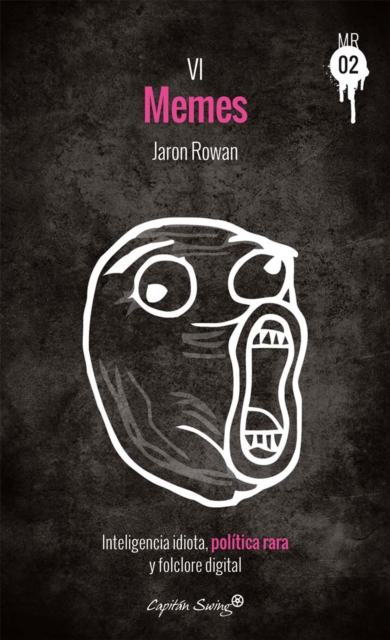
"Pedófilos crean un crowdfunding en la Deep Web para financiar la pornografía infantil", "Deep Web: drogas, armas, asesinos y aviones privados a la venta en la brutal red anónima", "Así compré drogas en la Darknet".
Considero la disertación del profesor Saab una contribución decisiva a los estudios sociales en general y al papel que desempeñan los medios de comunicación en Colombia, puesto que abre sistemáticamente el campo de investigación de manera muy calificada y críticamente informada.