Storys werden in den Medien in zahlreichen Kontexten erzählt: im Journalismus, in der Werbung, in fiktionalen Formaten wie Romanen und Spielfilmen, aber auch zunehmend in Unterhaltungsformaten wie Reality-TV und Castingshows.
Anke Hagedorn analysiert die Entstehung und Entwicklung der Deutschen Welle (DW) von der Gründung bis in die Gegenwart und schließt damit eine Forschungslücke in der deutschen Rundfunk- und Mediengeschichte.
Storys werden in den Medien in zahlreichen Kontexten erzählt: im Journalismus, in der Werbung, in fiktionalen Formaten wie Romanen und Spielfilmen, aber auch zunehmend in Unterhaltungsformaten wie Reality-TV und Castingshows.
Die Digitalisierung ist eine der wohl bedeutendsten (medien)technischen Entwicklungen seit Gutenbergs Erfindung des Buchdrucks und die vernetzte Sphäre digitaler Kommunikation verändert das gesellschaftliche Leben nachhaltig.
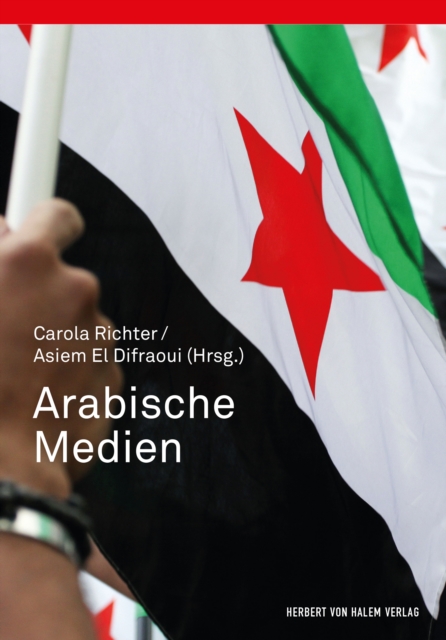
Facebook-Revolution, Twitter-Jihad und Al-Jazeera-Effekt – diese leeren Schlagwörter tauchen häufig in westlichen Medien und in Forschungspublikationen auf.
Digitale Technologien haben heute nahezu jeden Lebensbereich durchdrungen und das verfügbare Repertoire materieller, symbolischer und praxisbezogener Formen sichtbar verändert.
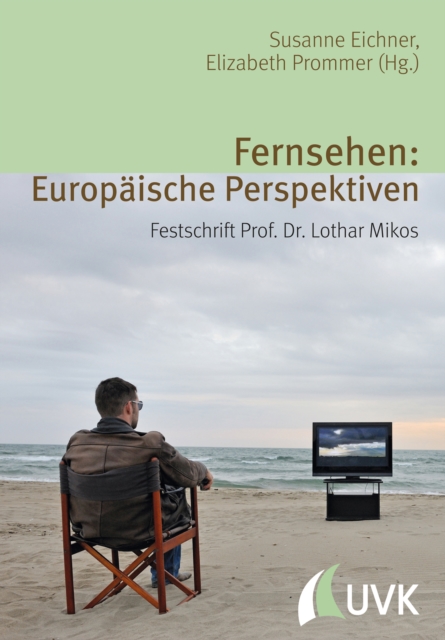
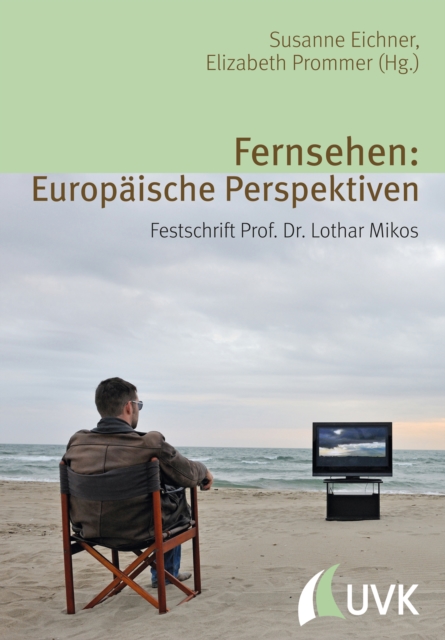
Fur den vorliegenden zweisprachigen Band (deutsch/englisch) haben sich Wissenschaftlerinnen und Wissenschaftler aus acht europaischen Landern mit den Produktionskontexten, der Entwicklung von neuen Genres und einer neuen Fernsehasthetik, aber auch mit Publikumsperspektiven beschaftigt, um so eine Vielfalt an europaischen Perspektiven auf das alte und gleichzeitig neue Medium Fernsehen zu bieten.
In der modernen Medienlandschaft mit ihrer Tendenz zur Personalisierung und zum Storytelling ist es unabdingbar, die Reportage und das Feature gleichermaßen zu beherrschen.
Alles, was Radiomacher heute wissen müssen, kompakt in einem Buch: 'Erfolgreich Radio machen' erklärt die wichtigsten Bausteine für ein optimal positioniertes und professionell gestaltetes Radioprogramm – vom Format bis zur digitalen Strategie, von der Morningshow bis zum On Air Marketing.
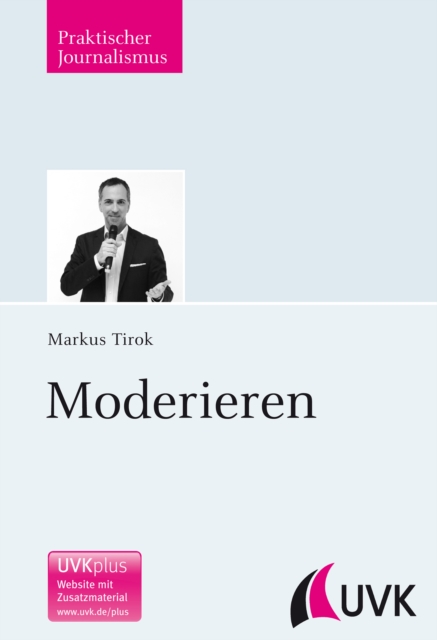
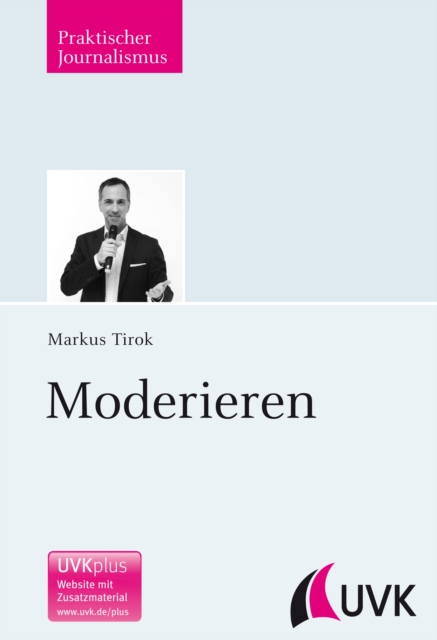
»Von WDR-Intendant Tom Buhrow stammt der schöne Satz, früher seien Moderatoren von Nachrichtensendungen wie der Prophet auf dem Berg Sinai erschienen und hätten im Stil einer Predigt ihre Nachrichten verkündet.
Fur den vorliegenden zweisprachigen Band (deutsch/englisch) haben sich Wissenschaftlerinnen und Wissenschaftler aus acht europaischen Landern mit den Produktionskontexten, der Entwicklung von neuen Genres und einer neuen Fernsehasthetik, aber auch mit Publikumsperspektiven beschaftigt, um so eine Vielfalt an europaischen Perspektiven auf das alte und gleichzeitig neue Medium Fernsehen zu bieten.
»Von WDR-Intendant Tom Buhrow stammt der schöne Satz, früher seien Moderatoren von Nachrichtensendungen wie der Prophet auf dem Berg Sinai erschienen und hätten im Stil einer Predigt ihre Nachrichten verkündet.
Dennis Lichtenstein untersucht mittels einer quantitativen Inhaltsanalyse die Konstruktionen europäischer Identität in den nationalen Medienöffentlichkeiten von sechs EU-Ländern (D, F, I, GB, PL, LV).
Ein großer Teil der öffentlich verfügbaren Kommunikation stammt mittlerweile nicht mehr von professionellen Kommunikatoren aus Journalismus und Öffentlichkeitsarbeit, sondern von Laien, die über Weblogs, Soziale Netzwerke, Microblogging-Dienste wie "Twitter" u.
Anke Hagedorn analysiert die Entstehung und Entwicklung der Deutschen Welle (DW) von der Gründung bis in die Gegenwart und schließt damit eine Forschungslücke in der deutschen Rundfunk- und Mediengeschichte.
A practical guide to building the ultimate immune system naturally*; Explores specific immune-boosting essential oils, herbs, and mushrooms in depth, revealing their multilayered effectiveness in supporting health*; Discusses probiotics and specific foods that boost immunity, as well as foods common in the modern diet that can temporarily put the immune system out of commission*; Looks at behaviors that can sabotage your immune system as well as the best habits for maintaining super-powered immunity for lifeViruses and superbugs have become a part of day-to-day living, but that doesn't mean you have to live in fear of catching one.
*; Shares insights from herbalism, ecology, neurobiology, psychology, Irish history, and magical tradition to show how to tap into the flow of communication from the wild world*; Explores the seven principles of animist herbalism and the ancient Irish understanding of the ';three cauldrons' of the body, showing how they can be applied to the practice of modern herbalism*; Introduces thirteen important plant and fungi allies and provides simple practices for deepening your connections with wild plants and your ancestorsTo our ancestors, the wild world around them was filled with meaning, guidance, and insight.
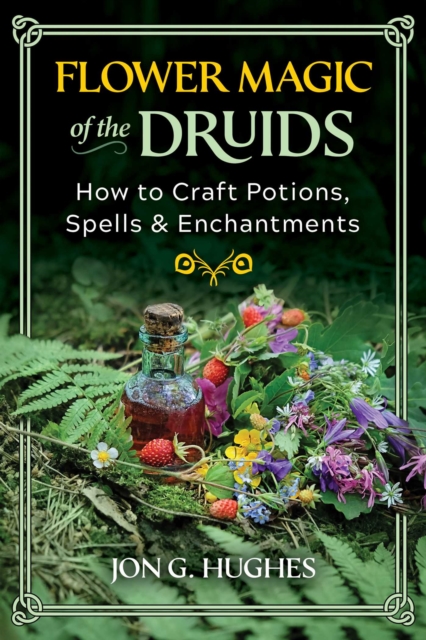
A practical guide to using flowers in magical practice*; Provides detailed instruction on every stage of the harvesting, crafting, and practical use of flower magic potions, including a comprehensive herbarium of all the flowers that may be used*; Discusses what type of flower and form of flower magic is best for specific enchantments and rituals in the areas of love and sex magic, healing and focusing, and protection*; Looks at the physical and spiritual gifts of bees and the importance of bee culture in Druidic flower magicFlowers are found in magic traditions around the world, from those in ancient Egypt, China, and India to the traditions of the Norse and Native Americans.
Develop your own unique healing protocol for Long Covid*; Discusses how to deal with the symptoms of Long Covid, from brain fog and headaches to hormonal dysregulation, immune malfunction, and limbic system dysfunction, to histamine intolerance to certain foods and more*; Presents medicines and methods ranging from pharmaceutical, herbal, and homeopathic remedies to breathwork practices, detox therapies, lymph drainage exercises, shamanic techniques, and neuroplasticity retraining*; Explores techniques for accessing one's own intuition for remedies and how to combine them with modern medicineEarly in the pandemic, Vir McCoy contracted Covid-19, which developed into post-acute sequelae of Covid (PASC), commonly known as long Covid or long-haul Covid.
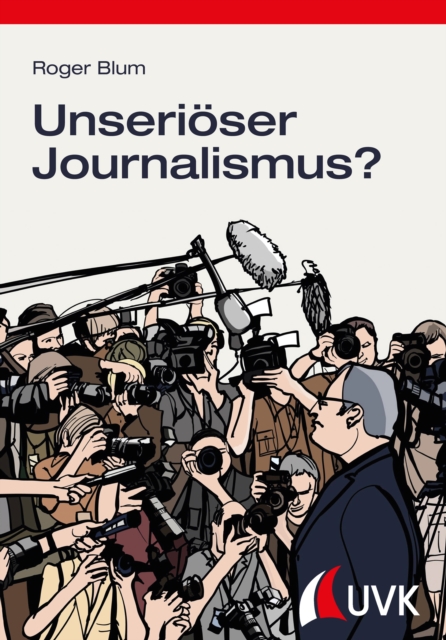
Die Irrwege von Politik und Gesellschaft, die Eitelkeiten der Mächtigen, die Luftblasen des laufenden Kulturbetriebs mit spitzer Feder aufzuspießen – das gehört zu den Aufgaben von Journalisten.
Die Zukunft des Journalismus ist crossmedial: Reporter schreiben einen Bericht für ihre Zeitung, drehen beim Termin vor Ort ein kurzes Video für das verlagseigene Fernsehen und formulieren auch noch den Teaser für den Webauftritt.