In the remote highlands of the country of Georgia, a small group of mountaindwellers called the Khevsurs used to express sexuality and romance in ways that appear to be highly paradoxical.
Waiting for Macedonia gives insight into one of the most moving moments in post-war European history: the hope for a new Europe in the years following the collapse of communism.
The Canadian media system, which in many respects is this society's "e;meeting ground"e;—its public square—is in the midst of a profound shift away from the foundations on which it has rested comfortably for decades.
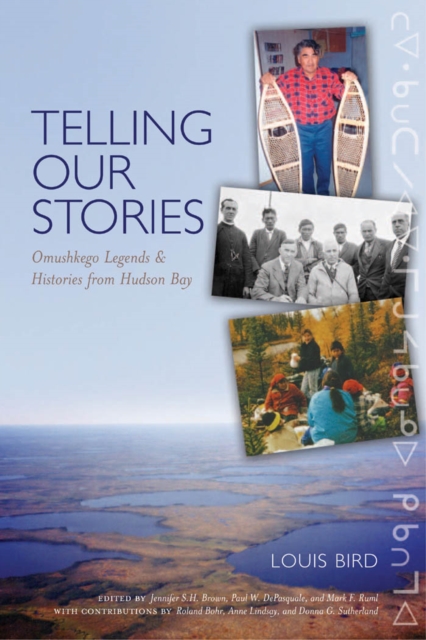
Since the 1970s, Louis Bird, a distinguished Aboriginal storyteller and historian, has been recording the stories and memories of Omushkego (Swampy Cree) communities along western Hudson and James Bays.
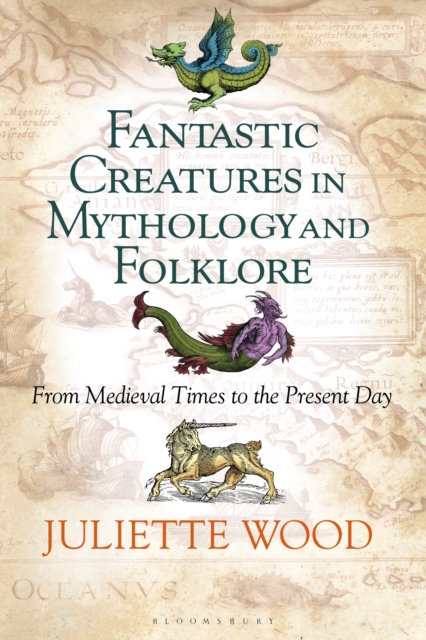
Drawing on historical sources, myth and folklore, Fantastic Creatures in Mythology and Folklore explores the roles of fantastical beasts - particularly the unicorn, the mermaid, and the dragon - in a series of thematic chapters organised according to their legendary dwelling place, be this land, sea, or air.
Drawing on historical sources, myth and folklore, Fantastic Creatures in Mythology and Folklore explores the roles of fantastical beasts - particularly the unicorn, the mermaid, and the dragon - in a series of thematic chapters organised according to their legendary dwelling place, be this land, sea, or air.
As the Vikings began to migrate overseas as raiders or settlers in the late eighth century, there is evidence that this new way of life, centred on warfare, commerce and exploration, brought with it a warrior ethos that gradually became codified in the Viking myths, notably in the cult of Odin, the god of war, magic and poetry, and chief god in the Norse pantheon.
Reveals the esoteric mysteries encoded in the order of the alphabet Explores the secrets hidden in our alphabet and how each letter represented a specific stage on the alchemical path toward enlightenment Divides our alphabets sequence of letters into three distinct parts: the first representing Earth and the natural year, the second the Underworld and the heros journey, and the third the Heavens and astronomical cycles Reveals how the ancient secrets encoded in the numerical order of the alphabet can be found in Mystery Traditions and divination systems throughout the worldOur alphabet hides a Mystery older than its magic of turning sound into shapes.
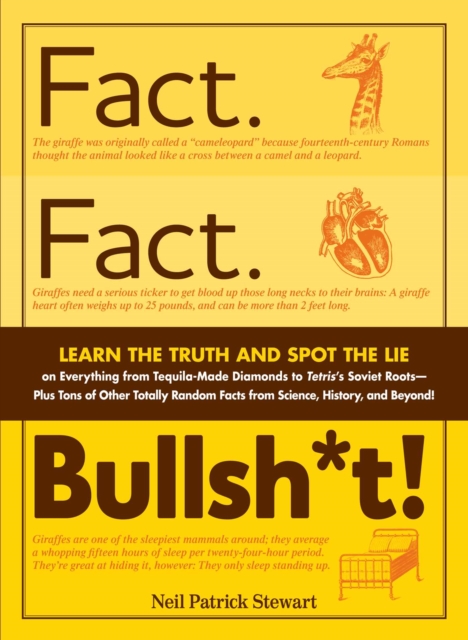
Easy solutions for life's toughest scenariosWhen there's a 1 in 12 million chance of a shark attack occurring and a 1 in 5 chance of bed-bug infestation, it's easy to see which scenario is worth preparing for.
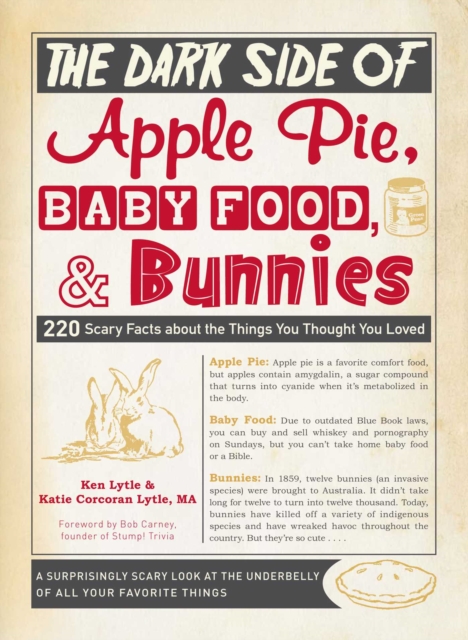
Life, Liberty, and the Pursuit of All Things WeirdSure, you probably know that George Washington was our first president and that Christopher Columbus accidentally discovered America in 1492, but did you know that there are more plastic flamingos in the United States than there are real ones and that Disneyland employees were not permitted to wear their own underwear while dressing in character until 2001?
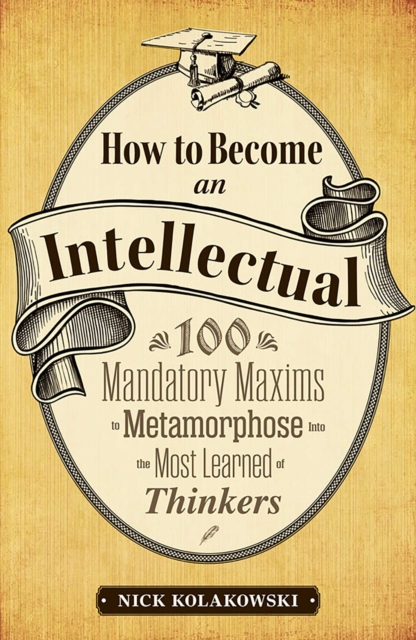
A Capacious and Quintessential GuideMaxims: #1: Carry a Scholarly Book (at All Times) #12: Know Your Manet from Your Monet #14: Be Proficient in at Least One Classical Instrument #64: Learn to Recite Romantic-Era Poetry on CueIf you think you need a PhD in Greek and Roman philosophy from an Ivy League school to call yourself an intellectual, reconsider your supposition.
You will now be able to wow your friends, scare your kids, and bargain with your spouse as you use this book to legitimize bad decisions, idle threats, and risky ventures.
'A gorgeous book' New StatesmanOld Songs fuses short stories, histories, lyrics and illustrations in an enthralling reimagining of traditional folk ballads.
Le Morte dArthur is Sir Thomas Malorys compilation of English talesand stories translated from the French about the legendary King Arthur and his kingdom of Camelot.
The tales collected for Irish Fairy and Folk Tales all are reprinted from nineteenth-century sources, but they date back much further, to a time when they were part of a centuries-old oral tradition of storytelling and had yet to be committed to the printed page.