An interdisciplinary social history, this book examines the major pressures and influences that brought about the remarkable growth of opposition to hunting in twentieth century England.
An interdisciplinary social history, this book examines the major pressures and influences that brought about the remarkable growth of opposition to hunting in twentieth century England.
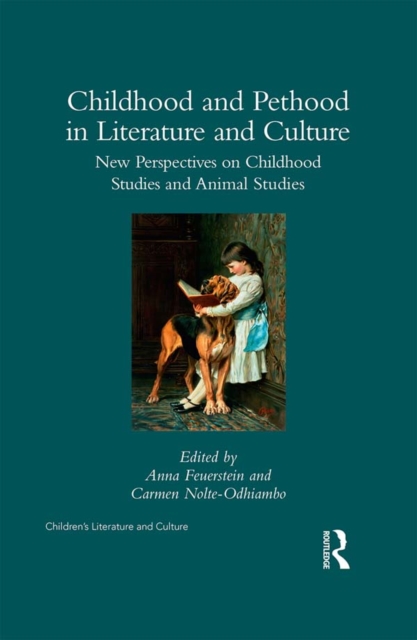
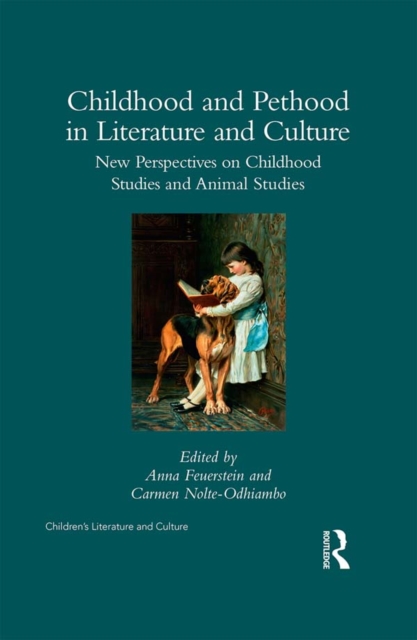
Bringing together new perspectives in childhood studies and animal studies, this book is the first collection to critically address the manifold alignments and frequent co-constitutions of children and pets in our families, our cultures, and our societies.
Bringing together new perspectives in childhood studies and animal studies, this book is the first collection to critically address the manifold alignments and frequent co-constitutions of children and pets in our families, our cultures, and our societies.
This second edition of Ambulance Care Essentials offers a complete guide to the skills, knowledge and understanding required to work as a support worker or similar within the ambulance service.
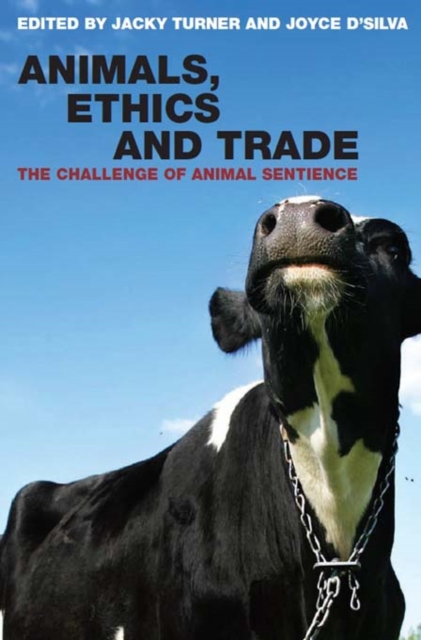
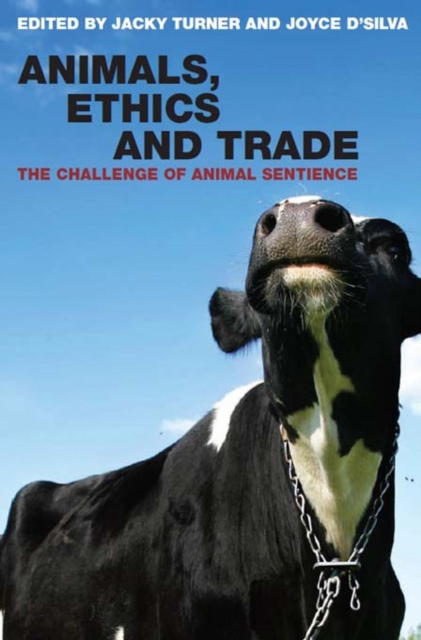
Modern urban life cuts us off from direct connection with the animal world, yet daily the lives of millions of animals are affected by what we consume and wear and what we trade in.
Modern urban life cuts us off from direct connection with the animal world, yet daily the lives of millions of animals are affected by what we consume and wear and what we trade in.
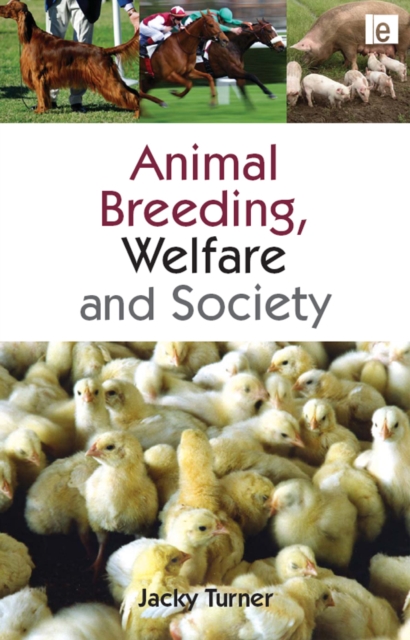
The determination of when, how, how often and with whom an animal breeds is moving rapidly away from evolutionary pressures and towards human purposes: these include the breeding of around 50 billion mammals and birds for food production annually, the breeding of pedigree dogs and cats, racing dogs and horses, specialised laboratory animal strains and the use of reproductive science to conserve endangered species or breeds and to limit unwanted populations of pests and non-native species.
The determination of when, how, how often and with whom an animal breeds is moving rapidly away from evolutionary pressures and towards human purposes: these include the breeding of around 50 billion mammals and birds for food production annually, the breeding of pedigree dogs and cats, racing dogs and horses, specialised laboratory animal strains and the use of reproductive science to conserve endangered species or breeds and to limit unwanted populations of pests and non-native species.
In Animals as Biotechnology sociologist Richard Twine places the question of human/animal relations at the heart of sustainability and climate change debates.
In Animals as Biotechnology sociologist Richard Twine places the question of human/animal relations at the heart of sustainability and climate change debates.
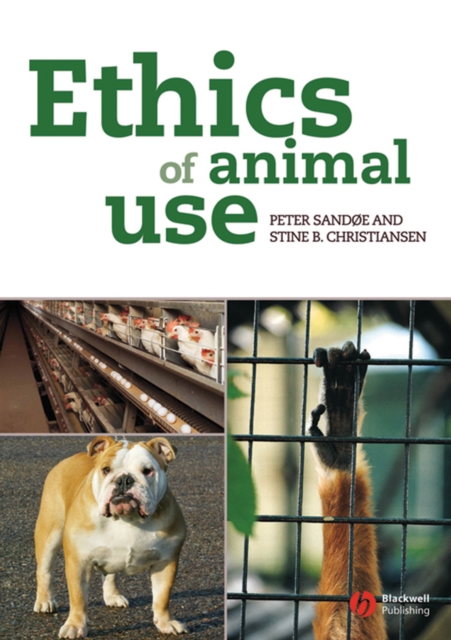
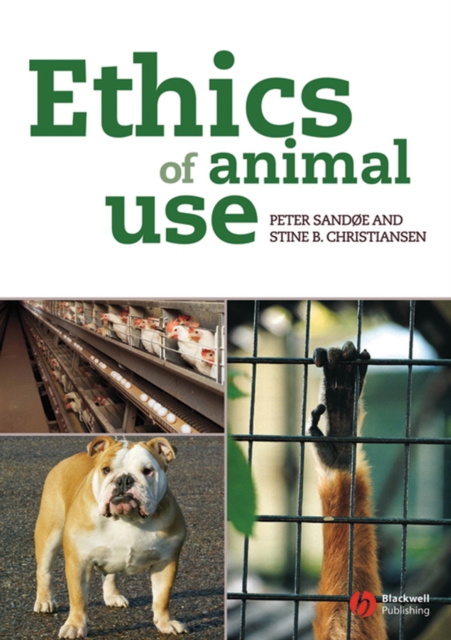
Awareness of the use of animals in human society in fields such as farming, biotechnology and sport is dogged by the lack of a clear and objective exposition of the issues involved and a sense of possible conflict between human and animal welfare.
Awareness of the use of animals in human society in fields such as farming, biotechnology and sport is dogged by the lack of a clear and objective exposition of the issues involved and a sense of possible conflict between human and animal welfare.
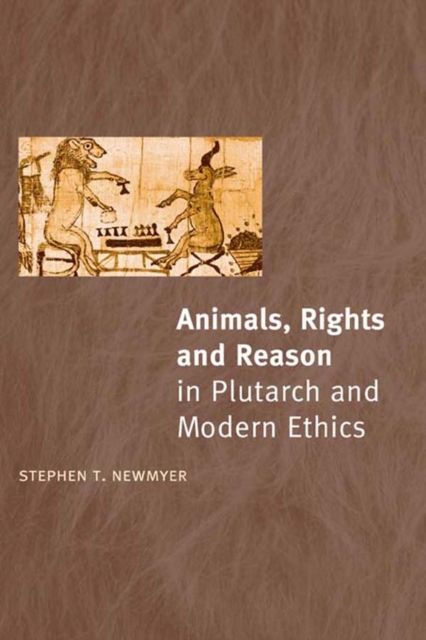
This groundbreaking volume explores Plutarch's unique survival in the argument that animals are rational and sentient, and that we, as humans, must take notice of their interests.
This groundbreaking volume explores Plutarch's unique survival in the argument that animals are rational and sentient, and that we, as humans, must take notice of their interests.
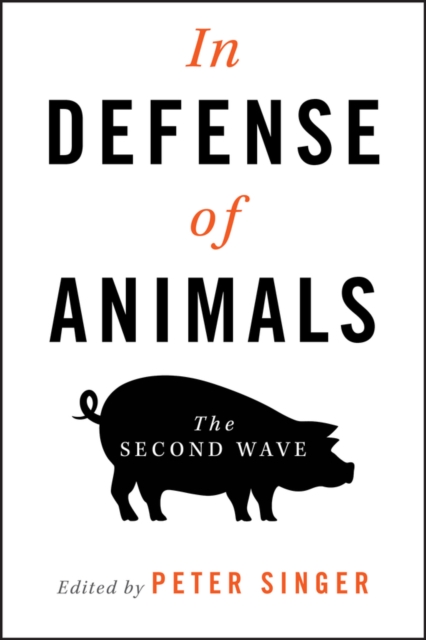
Bringing together new essays by philosophers and activists, In Defense of Animals: The Second Wave highlights the new challenges facing the animal rights movement.
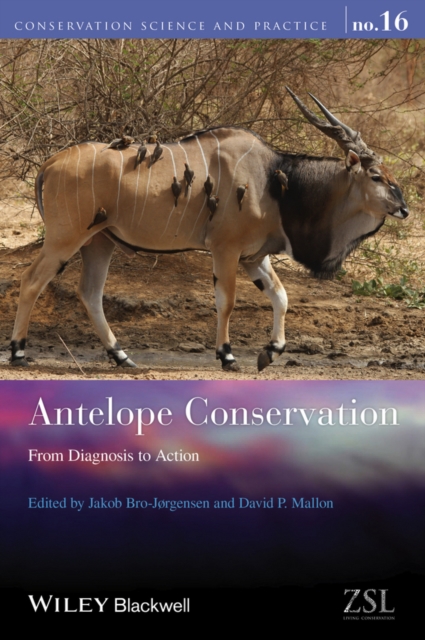
Antelopes constitute a fundamental part of ecosystems throughout Africa and Asia where they act as habitat architects, dispersers of seeds, and prey for large carnivores.
Antelopes constitute a fundamental part of ecosystems throughout Africa and Asia where they act as habitat architects, dispersers of seeds, and prey for large carnivores.
The first International Conference on Veterinary and Animal Ethics (ICVAE) held in September 2011 saw leading experts from across the world come together to discuss the most important issues of animal welfare in contemporary veterinary practice and research.