Despite increasingly nuanced understandings of the neurobiology of addiction and a greater appreciation of the social and economic conditions that allow drug dependency to persist, there remain many unknowns regarding the individual experience of substance abuse and its treatment.
Methamphetamine, made easily in clandestine labs from over-the-counter ingredients, can cause depression, rapid tooth decay, psychosis, sensations of flesh crawling with bugs, paranoia, skin lesions, and kidney damage.
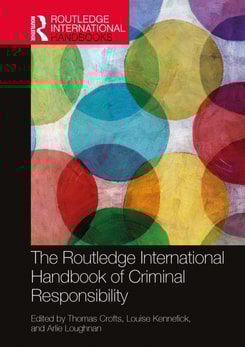
Offering an interdisciplinary exploration of the complex relationships between disability, crime, and victimisation, this comprehensive handbook gathers insights from leading scholars across diverse fields, including disability studies, criminology, history, sociology, forensic psychology, forensic psychiatry, and the neurosciences, who have conducted extensive research in these areas.
Offering an interdisciplinary exploration of the complex relationships between disability, crime, and victimisation, this comprehensive handbook gathers insights from leading scholars across diverse fields, including disability studies, criminology, history, sociology, forensic psychology, forensic psychiatry, and the neurosciences, who have conducted extensive research in these areas.
This new volume draws from provocative discussions on the urban social contract among policy makers, researchers, public intellectuals, and citizens at the 2015 UIC Urban Forum.
Celebrated as a major work since its original publication, The Sanitation of Brazil traces how rural health and sanitation policies influenced the formation of Brazil's national public health system.
This book explores the notions of violence, care, and cure within the medical encounter and seeks to foreground the ways in which, whether individually or as a triad, they are prone to ambiguous interpretations.
THE EXTRAORDINARY #1 BESTSELLER AND WORD-OF-MOUTH LITERARY PHENOMENON 'Razor-sharp and raw; her story is utterly original yet as familiar as my own breath .
The shocking true story of the infected blood scandal: the worst treatment disaster in NHS history, which saw people infected with HIV by a revolutionary medical treatment and a cover-up from governments and the multi-billion-dollar plasma industry.
WINNER OF THE PULITZER PRIZE FOR NONFICTION 2020WINNER OF THE WINDHAM-CAMPBELL PRIZE FOR NONFICTION 2020FINALIST FOR THE PEN / JEAN STEIN BOOK AWARD 2020'Profound and unforgettable' Sally Rooney'A classic .
A SUNDAY TIMES, NEW STATESMAN AND FINANCIAL TIMES BOOK OF THE YEAR'Essential reading about love, life and care' Kate Mosse'Nobody has written on dementia as well as Nicci Gerrard in this new book' Andrew Marr'Dementia is all around us, in our families and in our genes; perhaps in our own futures.
Presenting cutting-edge research and scholarship, this extensive volume covers everything from abstract theorising about the meanings of responsibility and how we blame, to analysing criminal law and justice responses, and factors that impact individual responsibility.
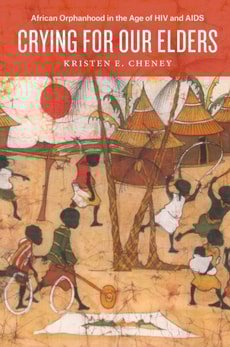
In the years since the end of apartheid, South Africans have enjoyed a progressive constitution, considerable access to social services for the poor and sick, and a booming economy that has made their nation into one of the wealthiest on the continent.
This book assists new and experienced scholars in planning and conducting high quality, contemporary studies for knowledge building about substance use.
"e;Doubt is our product,"e; a cigarette executive once observed, "e;since it is the best means of competing with the 'body of fact' that exists in the minds of the general public.
AIDS and the Ecology of Poverty combines the insights of economics and biology to explain the spread of HIV/AIDS and deliver a telling critique of AIDS policy.
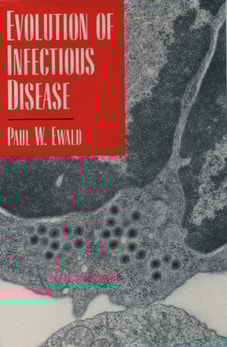
Findings from the field of evolutionary biology are yielding dramatic insights for health scientists, especially those involved in the fight against infectious diseases.
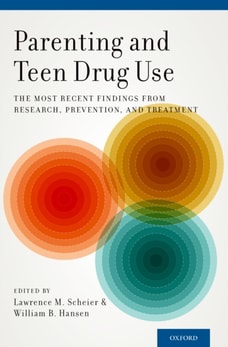
Teen drug use is a critical and timely health issue that deeply affects adolescent development in a number of important areas, including social, cognitive, and affective functioning, as well as long-term health and wellbeing.
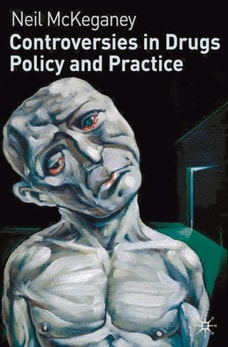
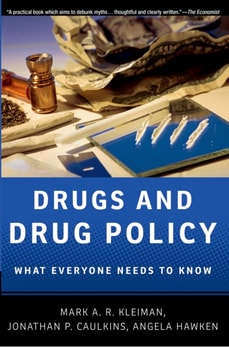
While there have always been norms and customs around the use of drugs, explicit public policies--regulations, taxes, and prohibitions--designed to control drug abuse are a more recent phenomenon.