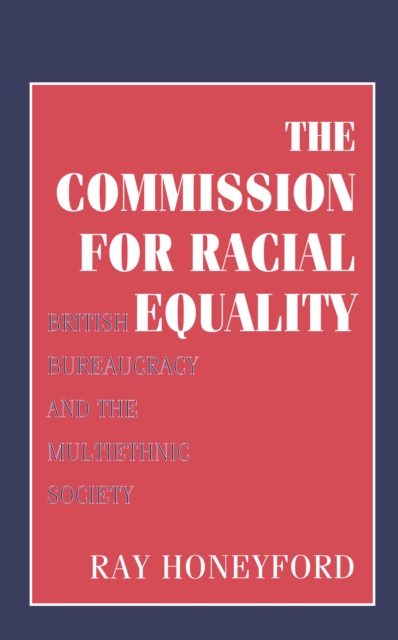
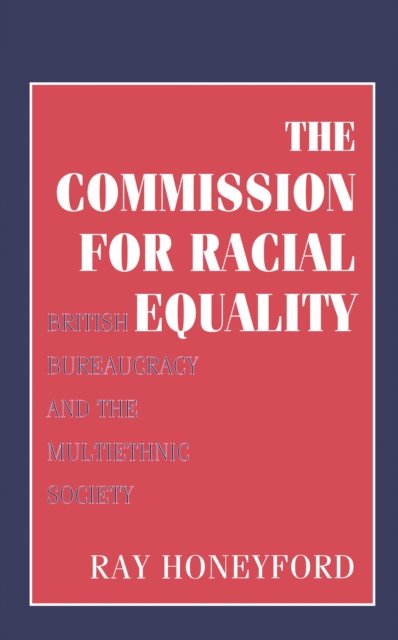
In the United Kingdom, as in the United States, race relations are surrounded with taboos defined by the politically correct concepts of what Ray Honeyford calls the race relations lobby.
In the United Kingdom, as in the United States, race relations are surrounded with taboos defined by the politically correct concepts of what Ray Honeyford calls the race relations lobby.
Originally published in 1983, Urban France examines the rapid growth in French cities between 1950-1980, and the serious consequences that have followed this rapid growth.
Originally published in 1983, Urban France examines the rapid growth in French cities between 1950-1980, and the serious consequences that have followed this rapid growth.
Originally published in 1990, Youth in Transition addresses the issue of large-scale policy intervention, related to problems of employment in Britain's youth.
Originally published in 1990, Youth in Transition addresses the issue of large-scale policy intervention, related to problems of employment in Britain's youth.
Originally published in 1987, Regenerating the Inner City looks at the changes to Glasgow's East End and how industrial closures and slum clearance projects have caused people to leave.
Originally published in 1987, Regenerating the Inner City looks at the changes to Glasgow's East End and how industrial closures and slum clearance projects have caused people to leave.
This book offers a close look at the discourse of and around three socially marginalised and vulnerable groups – Irish Travellers, Squatters and Homeless people – in order to understand more about how individuals within them position themselves vis-à-vis mainstream society.
This book offers a close look at the discourse of and around three socially marginalised and vulnerable groups – Irish Travellers, Squatters and Homeless people – in order to understand more about how individuals within them position themselves vis-à-vis mainstream society.
Young and Homeless in Hollywood examines the social and spacial dynamics that contributed to the construction of a new social imaginary--"e;homeless youth"e;--in the United States during a period of accelerated modernization from the mid 1970s to the 1990s.
Young and Homeless in Hollywood examines the social and spacial dynamics that contributed to the construction of a new social imaginary--"e;homeless youth"e;--in the United States during a period of accelerated modernization from the mid 1970s to the 1990s.
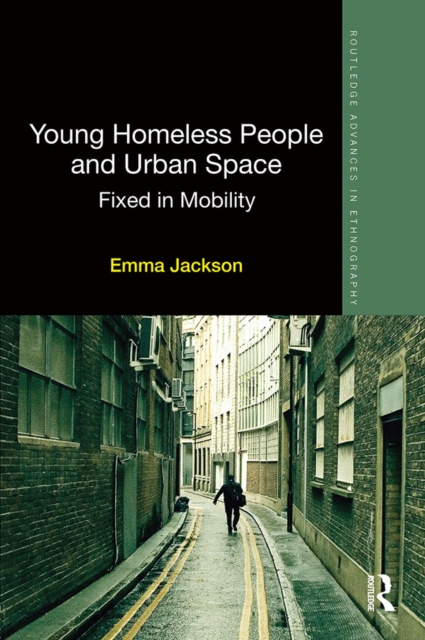
This ethnographic exploration of contemporary spaces of homelessness takes an expanded view of homeless space, threading together experiences of organizational spaces, routes taken through the city and the occupation of public space.
This ethnographic exploration of contemporary spaces of homelessness takes an expanded view of homeless space, threading together experiences of organizational spaces, routes taken through the city and the occupation of public space.
Newman's ethnographic study considers the ways in which the family and school environments of eleven homeless school children affected their school performance.
Newman's ethnographic study considers the ways in which the family and school environments of eleven homeless school children affected their school performance.
An important contribution to the understanding of the unique circumstances and needs of the homeless, Diversity Within the Homeless Population examines why more and more women and their children, adolescents, and young adults are ending up on the street.
An important contribution to the understanding of the unique circumstances and needs of the homeless, Diversity Within the Homeless Population examines why more and more women and their children, adolescents, and young adults are ending up on the street.
Building Communities: The Co-Operative Way, first published in 1988, sets the flourishing of housing co-operatives throughout the 1980s in a theoretical and historical framework that suggests that tenant control is the best way out of the still-problematic issue of housing policy.
Building Communities: The Co-Operative Way, first published in 1988, sets the flourishing of housing co-operatives throughout the 1980s in a theoretical and historical framework that suggests that tenant control is the best way out of the still-problematic issue of housing policy.