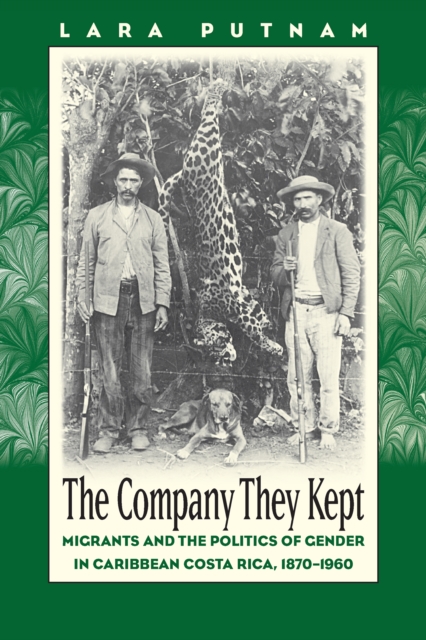
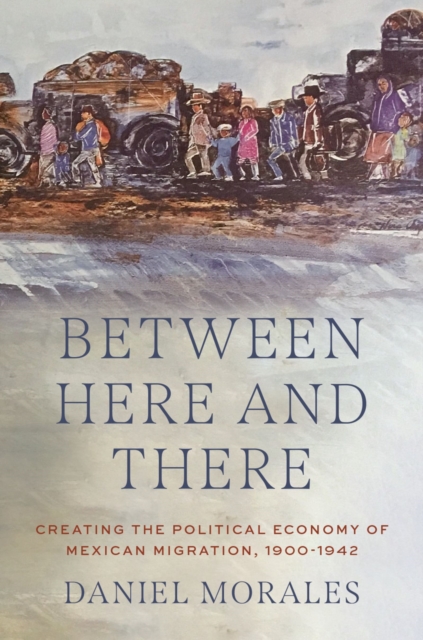
In the late nineteenth century, migrants from Jamaica, Colombia, Barbados, and beyond poured into Caribbean Central America, building railroads, digging canals, selling meals, and farming homesteads.
This book provides a detailed account of foreigners who performed military service in the Principality of Transylvania over almost one-and-a-half centuries.
Enduring Illegality chronicles the lives of undocumented Mexican immigrants who have spent decades in the United States waiting for a path to legalization that has yet to arrive.
Enduring Illegality chronicles the lives of undocumented Mexican immigrants who have spent decades in the United States waiting for a path to legalization that has yet to arrive.
Far from the Model Minoritycenters the voices of five undocumented and mixed-status Chinese immigrant families in New York City and their sending communities in Fuzhou, China.
Over several decades, the influx of wealthy, white lifestyle migrants has transformed the economic, social, and ecological fabric of many rural communities across the United Statesfrom alpine towns of the Rockies to forest and lake communities of the Southeastin a process akin to urban gentrification.
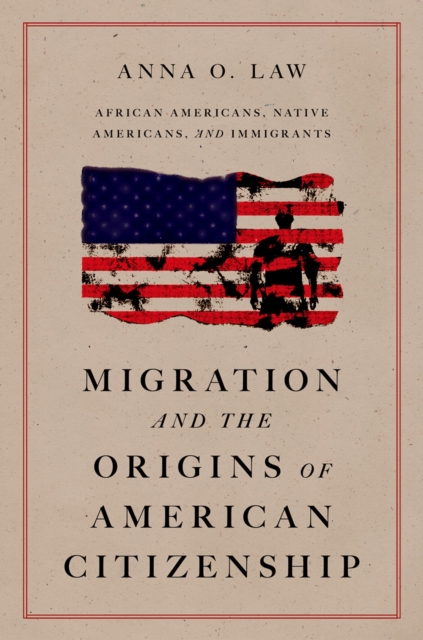
Since the late nineteenth century, the US federal government has enjoyed exclusive authority to decide whether someone has the ability to enter and stay in US territory.
In Intimacies of Violence, Nadine Shaanta Murshid demonstrates how transnational middle-class Bangladeshi women personally embody structural violence to shed light on the ways in which violence is produced, perpetuated, and resisted.
Since the late nineteenth century, the US federal government has enjoyed exclusive authority to decide whether someone has the ability to enter and stay in US territory.
The Political Economy of Youth and Migration examines lived experiences to critique how the youth-NGO sector (youth complex) manages the fault lines of global capitalism and limits young peoples' activities.
The Political Economy of Youth and Migration examines lived experiences to critique how the youth-NGO sector (youth complex) manages the fault lines of global capitalism and limits young peoples' activities.
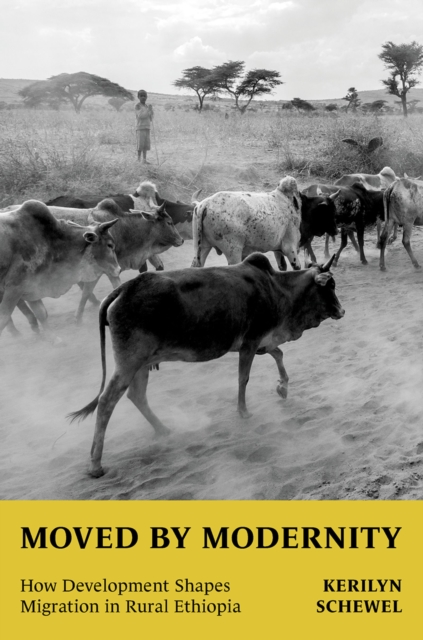
Across headlines and scholarly research alike, migration from countries like Ethiopia is often framed as a crisis: poverty, climate change, and conflict pushing people from their homes.
In Intimacies of Violence, Nadine Shaanta Murshid demonstrates how transnational middle-class Bangladeshi women personally embody structural violence to shed light on the ways in which violence is produced, perpetuated, and resisted.
Over several decades, the influx of wealthy, white lifestyle migrants has transformed the economic, social, and ecological fabric of many rural communities across the United Statesfrom alpine towns of the Rockies to forest and lake communities of the Southeastin a process akin to urban gentrification.
To understand the ethics of immigration, we need to start from the way it is enacted and understood by everyday actors: through practices of hospitality and hostility.
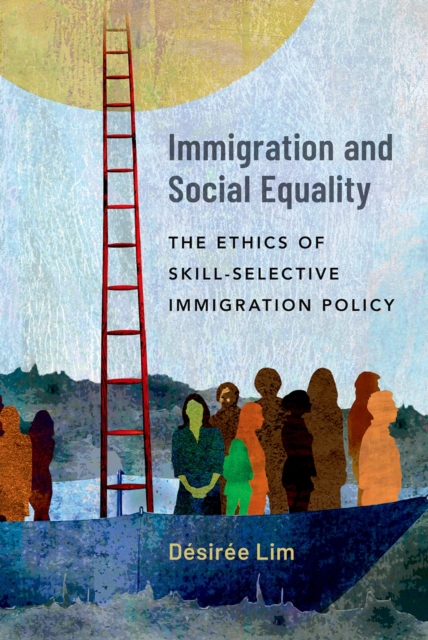
Skill-selective immigration policies, through which states favor the admission of highly-skilled migrants over low-skilled migrants, are a familiar component of the immigration landscape.
Focusing on county-level urbanization in Sichuan Province, this book analyzes return migrants' residential choices across three dimensions: Willingness to Return Housing Purchase Behavior Residential Location Preferences Research Focus and Methodology First, based on human capital theory and cost-benefit analysis, the study examines how career opportunities, public service access, and migration costs influence the willingness to return.
Skill-selective immigration policies, through which states favor the admission of highly-skilled migrants over low-skilled migrants, are a familiar component of the immigration landscape.
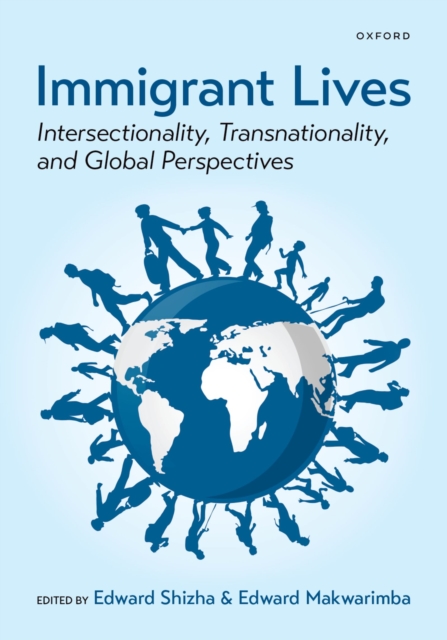
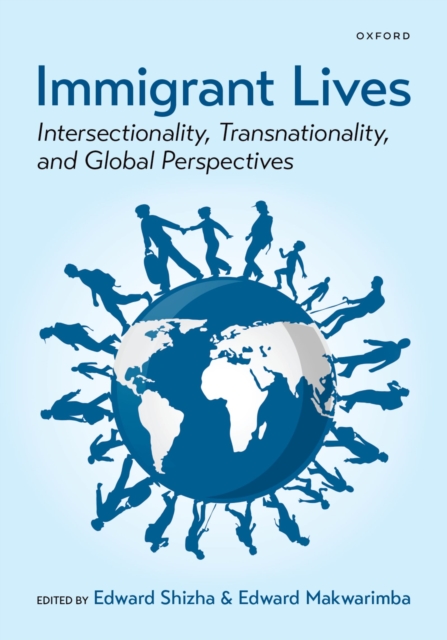
This volume focuses on processes, motivations, policies, and practices that influence international migration and the experiences of migrating and settling in a new country.
This volume focuses on processes, motivations, policies, and practices that influence international migration and the experiences of migrating and settling in a new country.
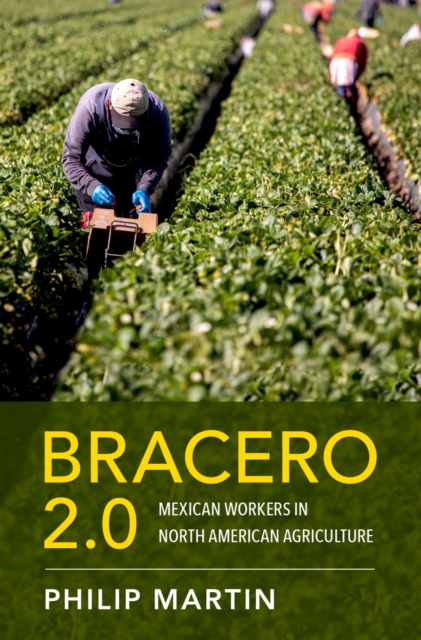
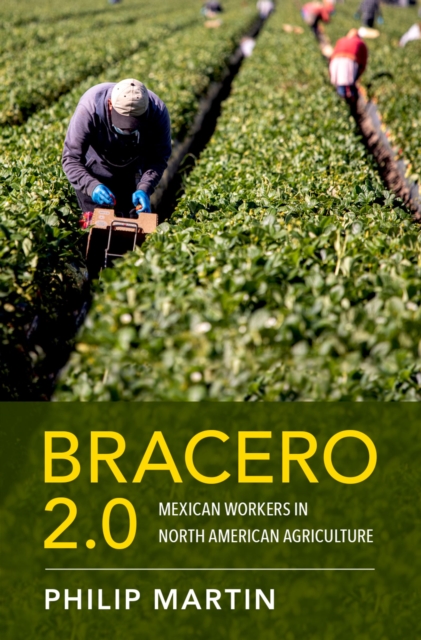
Rising consumer demand for fresh fruits and vegetables has led to the employment of five million Mexican-born workers on North American farms during a typical year.
Rising consumer demand for fresh fruits and vegetables has led to the employment of five million Mexican-born workers on North American farms during a typical year.
Das Buch geht der Frage nach, wie sich transnationale Migrationspraxis auf die personalhoheitliche, die territoriale, die soziale und die politische Zuordnung von Migranten auswirkt.
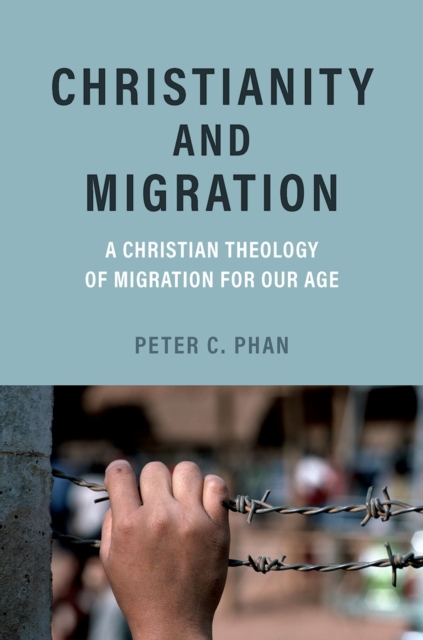
Our time has been dubbed the "e;Age of Migration"e; and as such it urgently calls for a reinterpretation of the Christian faith in a way that speaks both from and to the experiences of migrants.
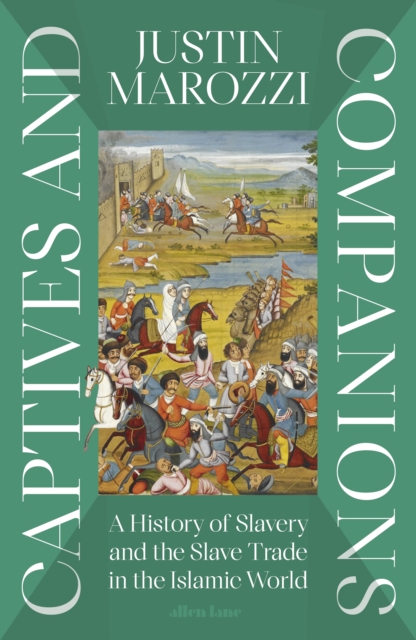
**SHORTLISTED FOR 2025 THE BAILLIE GIFFORD PRIZE FOR NON-FICTION**A startling exploration of slavery in the Islamic world from the 7th century to the presentSlavery in the Islamic world has a long, diverse and controversial history.
Focusing on county-level urbanization in Sichuan Province, this book analyzes return migrants' residential choices across three dimensions: Willingness to Return Housing Purchase Behavior Residential Location Preferences Research Focus and Methodology First, based on human capital theory and cost-benefit analysis, the study examines how career opportunities, public service access, and migration costs influence the willingness to return.
Our time has been dubbed the "e;Age of Migration"e; and as such it urgently calls for a reinterpretation of the Christian faith in a way that speaks both from and to the experiences of migrants.
To understand the ethics of immigration, we need to start from the way it is enacted and understood by everyday actors: through practices of hospitality and hostility.
Across headlines and scholarly research alike, migration from countries like Ethiopia is often framed as a crisis: poverty, climate change, and conflict pushing people from their homes.