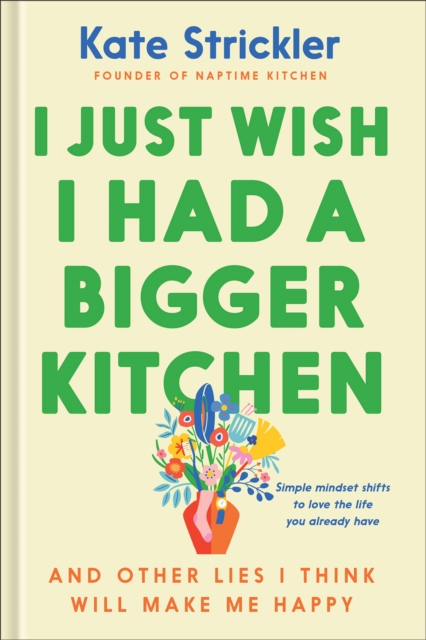
NEW YORK TIMES BESTSELLER 10 simple mindset shifts to love the life you're already livingIt's all too easy to find our own lives less than lustrous when we're constantly scrolling our way through the shiny, seemingly perfect lives of others on social media.
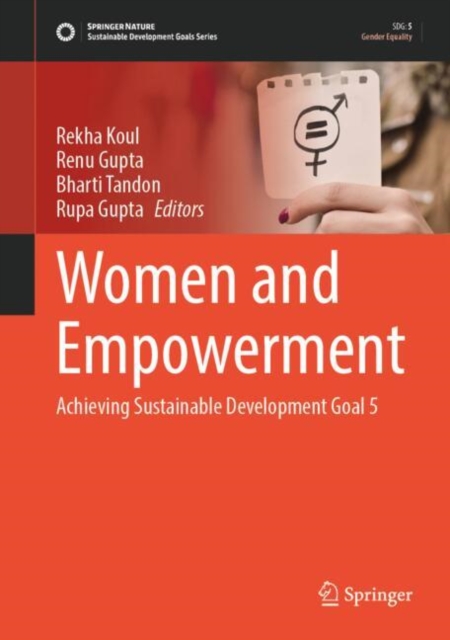
This volume uniquely highlights women's empowerment, bringing in theoretical understandings, research studies and auto-ethnographic narratives of women belonging to different parts of the globe and paving the way towards achieving United Nations Sustainable Development goal 5.
This volume uniquely highlights women's empowerment, bringing in theoretical understandings, research studies and auto-ethnographic narratives of women belonging to different parts of the globe and paving the way towards achieving United Nations Sustainable Development goal 5.
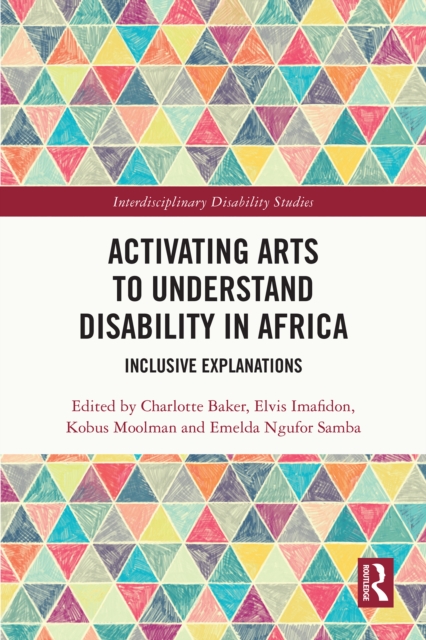
While Disability Studies has become more diversified in recent years, contemporary debates still favour the Northern Hemisphere, ignoring the lived experience of disabled people in much of the global South.
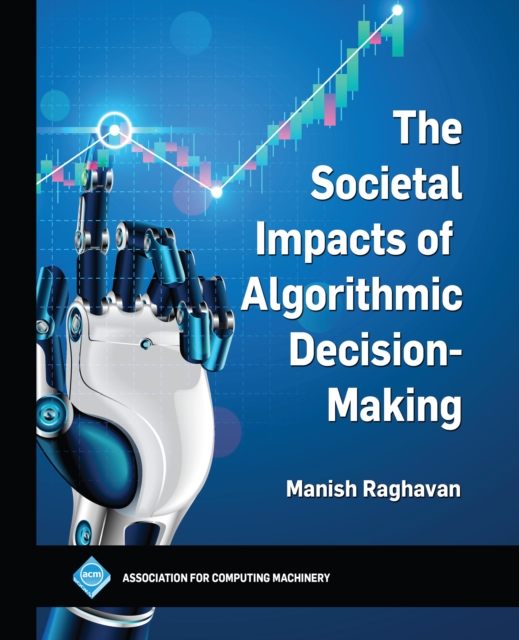
This book demonstrates the need for and the value of interdisciplinary research in addressing important societal challenges associated with the widespread use of algorithmic decision-making.
Guide par une obstination a nier l'egalite des sexes, l'homme s'enferme dans un egoisme destructeur qui l'enfonce dans un desir permanent d'asservissement de la femme.
Vom Arbeiterkind zum Hochschulprofessor- Vom sozialen Brennpunkt an die Spitze: die inspirierende Lebensgeschichte des @profinsight Bilal Gökce- Das Buch inspiriert, motiviert und zeigt, dass Erfolg trotz schwieriger Startbedingungen erreichbar ist.
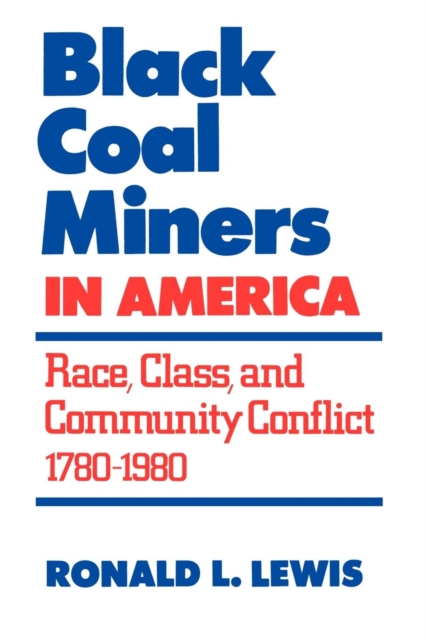
From the early day of mining in colonial Virginia and Maryland up to the time of World War II, blacks were an important part of the labor force in the coal industry.
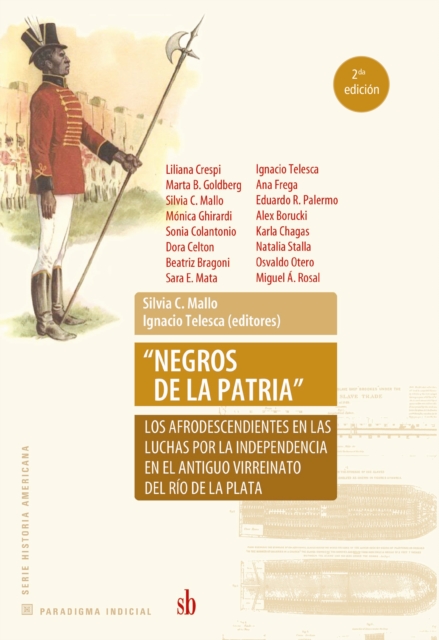
Los afro-des-cen-dien-tes, que vi-nie-ron es-cla-vi-za-dos des-de Afri-ca, es-tu-vie-ron pre-sen-tes en nues-tros te-rri-to-rios des-de el ini-cio mis-mo de la conquis-ta.
How most presidents avoid upsetting the racial status quoand why those who do pave the way for lawless, norm-violating successorsWhen Barack Obama won the White House in 2008, becoming the nation's first Black president, the stage was set for Donald Trump's eventual rise to power.
Feminist and Anti-caste Activism in the Bodhgaya Land Movement of Rural Bihar examines the long-term social, spatial, and material impacts of the Bodhgaya Land Movement (BGLM) of the 1970s and 1980s on its participants and beneficiaries.
This edited volume examines the causes, consequences, and costs of workplace incivility in P-12 education and provides practical strategies for leaders to prevent toxicity in their schools and districts.
Even before we get to introduce ourselves by name, our hair has already started to tell stories about who we are, where we are from and where we are at.
First published in 1989, Mind and the Body Politic is a collection of Elisabeth Young-Bruehl's twelve essays and lectures on political theory, psychoanalysis, feminism, and the theory of biography.
First published in 1989, Mind and the Body Politic is a collection of Elisabeth Young-Bruehl's twelve essays and lectures on political theory, psychoanalysis, feminism, and the theory of biography.
This edited volume examines the causes, consequences, and costs of workplace incivility in P-12 education and provides practical strategies for leaders to prevent toxicity in their schools and districts.
First published in 1989, Staking a Claim brings feminist experience and social theory together to produce a systematic view of the State as an agent in sexual politics, thereby placing in question the nature of the State itself.
First published in 1989, Staking a Claim brings feminist experience and social theory together to produce a systematic view of the State as an agent in sexual politics, thereby placing in question the nature of the State itself.
Since 1950 more than three million people have left their homes in Appalachia in search of better jobs and a better life in the cities of the Midwest and Southeast.
The bottom line: Millennials are looking goodThere s a lot of consternation about the Millennial generation Canada s youngest adults born since the mid-1980s and now reaching their thirties.
Fifty-five burials with their accompanying artifacts were uncovered during the excavation of the Dover Mound, located in Mason County, Kentucky, yielding new data on the cultural group known as the Adena which is reported in detail by the authors.
This book examines the evolving relationship between multiculturalism, religion and diversity in Western Europe, proposing a shift towards a post-multicultural approach to address religious and secular pluralism.
Improving Equity through Fiscal Policy: Dashed Dreams explores the delivery of key services to the public and to what extent equity is considered when government allocates resources.
Focusing on health care interpreting in Australia, this book examines the under-recognition of interpreting from a critical sociolinguistic perspective encompassing language, race and class.
American Chinatowns: Race, Identity, and Postwar Urban Redevelopment offers a captivating exploration of the vibrant yet contested landscapes of Chinatowns across the United States.
Today's debates about transgender inclusion and public restrooms may seem unmistakably contemporary, but they have a surprisingly long and storied history in the United Statesone that concerns more than mere ';potty politics.