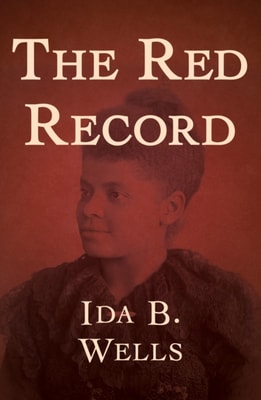
Considered the first pan-Africanist work of fiction and among the earliest English novels written by an African author, Ethiopia Unbound: Studies in Race Emancipation is a classic of Ghanaian literature that continues to resonate with modern readers today.
Cultivating Empire charts the connections between missionary work, capitalism, and Native politics to understand the making of the American empire in the late-eighteenth and early-nineteenth centuries.
A fresh examination of the formidable and resilient Native nations who helped shape the modern Gulf SouthIn The Great Power of Small Nations, Elizabeth N.
Under the Skin investigates the role of cross-cultural body modification in seventeenth-century and eighteenth-century North America, revealing that the practices of tattooing and scalping were crucial to interactions between Natives and newcomers.
The Unbelievable True Story of a Vietnamese Refugee Who Not Only Made the United States Her Home, But Learned the True Value of Hope, Love, and Religion Along the Way The soles of Nhi Aronheims feet still bear the scars of her escape from Vietnamtrudging through the jungles of Cambodia as a twelve-year-old with a group of strangers seeking the land of opportunity: America.
In this biography, Gerald and Deborah Strober draw from original source materials and numerous interviews to detail the life and career of the esteemed Rabbi Marc Tanenbaum, a seminal 20th century figure in interfaith relations in the US and around the world.
Set in a drastically changing world, The Good Fight is the uplifting and inspiring story of one woman against the system, by the number one bestseller, Danielle Steel.
In a world of increasingly heated political debates on migration, relentlessly caught up in questions of security, humanitarian crisis, and cultural problems, this book radically shifts the focus to address migration through the lens of inequality.
The gap between rich and poor, included and excluded, advantaged and disadvantaged is steadily growing as inequality becomes one of the most pressing issues of our times.
Discover howand whyBlack, Indigenous, and people of color in America experience societal, economic, and infrastructural inequality throughout history covering everything from Columbus's arrival in 1492 to the War on Drugs to the Black Lives Matter movement.
You Can't Stop the Revolution is a vivid participant ethnography conducted from inside of Ferguson protests as the Black Lives Matter movement catapulted onto the global stage.
In 2005 a little motel which had been converted to condos years back became the target of greedy developers in the a city located in one of the beaches in the state of Florida.
This book is about a Black man's experience of reading Mark Twain's classic Adventures of Huckleberry Finn for the first time while in graduate school.
The authors are proud sponsors of theA 2020 SAGE Keith Roberts Teaching Innovations Awardaenabling graduate students and early career faculty to attend the annual ASA pre-conference teaching and learning workshop.
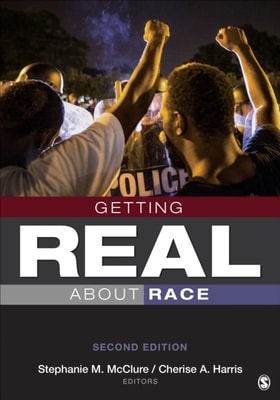
This popular reader is an edited collection of short essays that address the most common myths and misconceptions about race and racism held by students, and by many in the United States in general.
This popular reader is an edited collection of short essays that address the most common myths and misconceptions about race and racism held by students, and by many in the United States in general.
This book is about a Black man's experience of reading Mark Twain's classic Adventures of Huckleberry Finn for the first time while in graduate school.
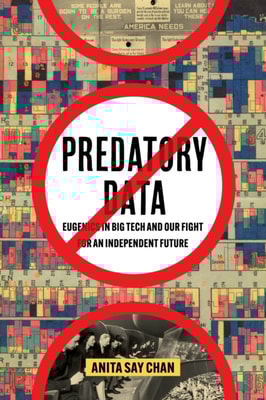
The first book to draw a direct line between the datafication and prediction techniques of past eugenicists and todays often violent and extractive big data regimes.
This book explores the dynamic role of love in German-Jewish lives, from the birth of the German Empire in the 1870s, to the 1970s, a generation after the Shoah.
Despite the end of white minority rule and the transition to parliamentary democracy, Johannesburg remains haunted by its tortured history of racial segregation and burdened by enduring inequalities in income, opportunities for stable work, and access to decent housing.
The Color of Creatorship examines how copyright, trademark, and patent discourses work together to form American ideals around race, citizenship, and property.