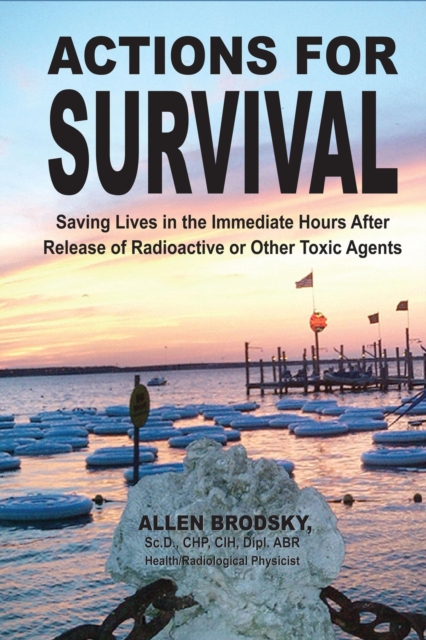
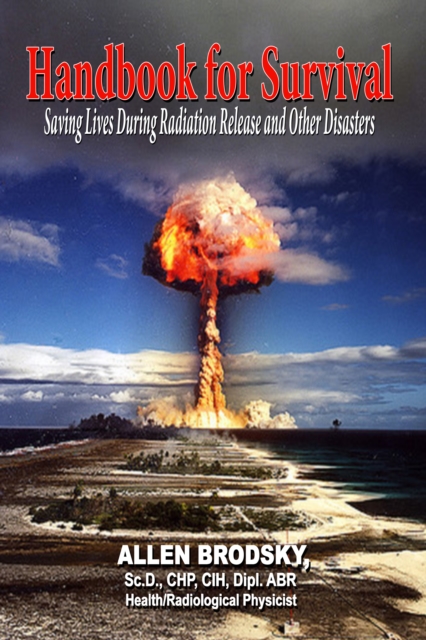
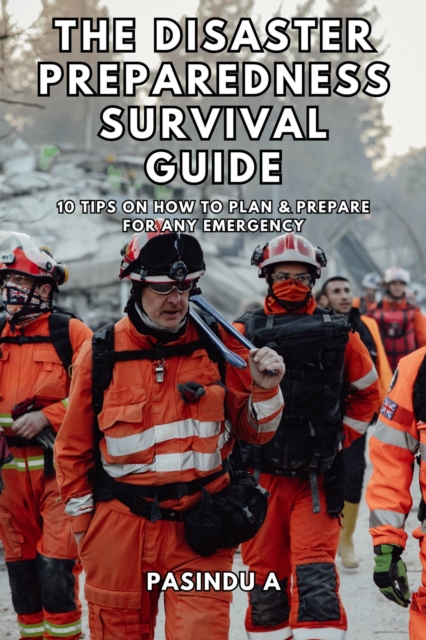
This book provides information about training for mental health professionals and first responders who work with victims of disaster related stress and trauma.
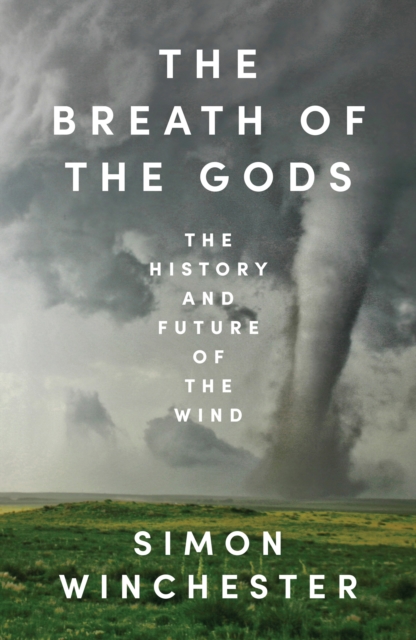
'Very entertaining' SUNDAY TIMES'A thoroughly enjoyable book, brimming over with historical nuggets and contemplations about the future' NEW YORK TIMESSunday Times bestselling author Simon Winchester returns with a thought-provoking history of the wind, written in his edifying and entertaining style.
If anyone still doubts that 72 people lost their lives in the Grenfell Tower fire because successive governments deliberately took away safety measures in the name of profit, this lucid, luminously written book will put them straight Francis Beckett, journalist and contemporary historianA searing indictment of the death and destruction neoliberalism has wreaked Gregor Gall, Visiting Professor, University of LeedsFrames the frantic moments of heroism and exhaustion of that night within a calm, detailed account of the FBUs fire safety advocacy over decades Daniel Blackburn, Director, International Centre for Trade Union RightsIn June 2017, a fire broke out in the 25-storey Grenfell Tower block of flats in West London.
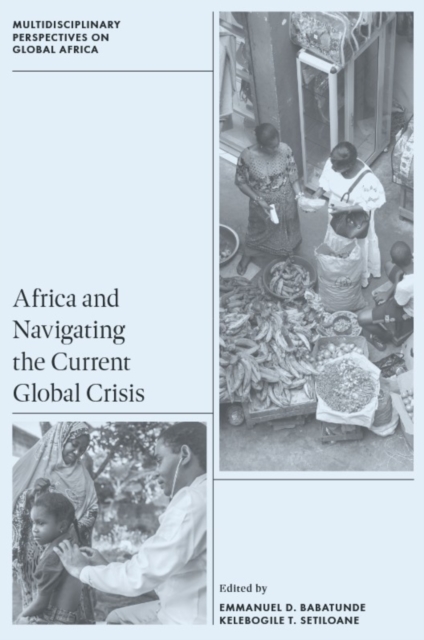
In 2022, UN Secretary-General Antonio Guterres established the UN Global Crisis Response Group on Food, Energy and Finance (GCRG) to respond to the unprecedented and interconnected food, energy and finance crises in the world.
Face aux inegalites incessantes de la societe actuelle, Imene Zaibi mene l'analyse d'une realite assez abstraite, mais bien reelle, car elle est observable a differents niveaux.
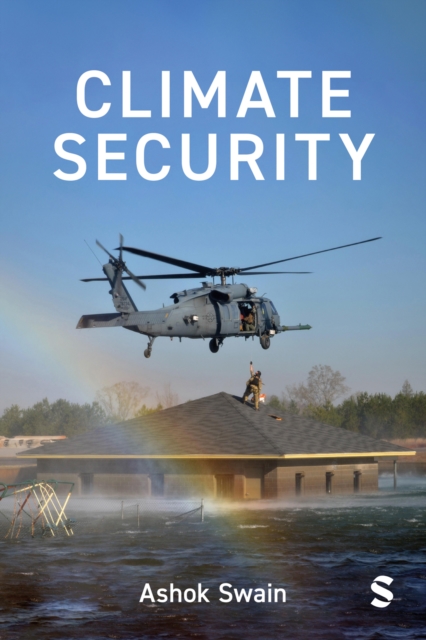
Catastrophes are on the rise due to climate change, as is their toll in terms of lives and livelihoods as world populations rise and people settle into hazardous places.
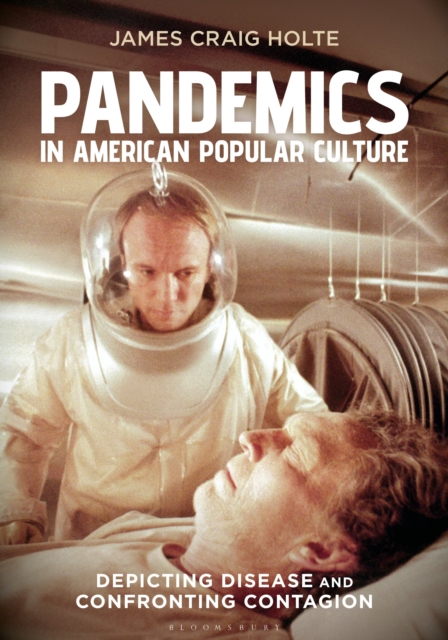
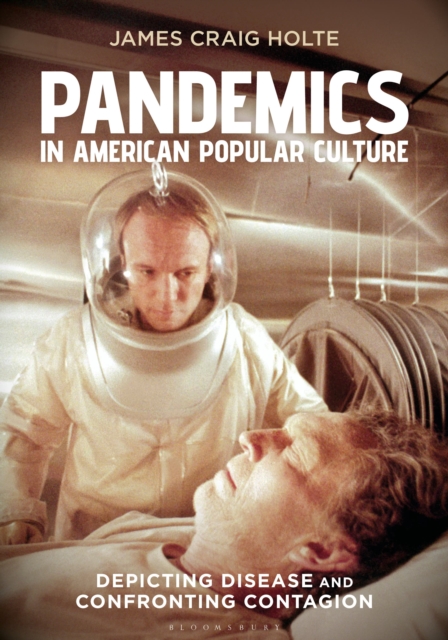
From Cold War-era fears of biological warfare to zombie plagues as metaphors for contagion to portrayals of recent experiences with Covid-19, pandemics have featured prominently in American popular culture for decades.
From Cold War-era fears of biological warfare to zombie plagues as metaphors for contagion to portrayals of recent experiences with Covid-19, pandemics have featured prominently in American popular culture for decades.
This volume centers on the relationship between media and crisis communication, the need to address which has only been heightened by the recent experience of COVID-19 and the needs for public health crisis communication.
Designed to walk ADB staff through a Post-Disaster Needs Assessment simulation, this handbook outlines training schedules, introduces methodologies, and provides practical exercises to identify and analyze the broad impacts of a disaster.
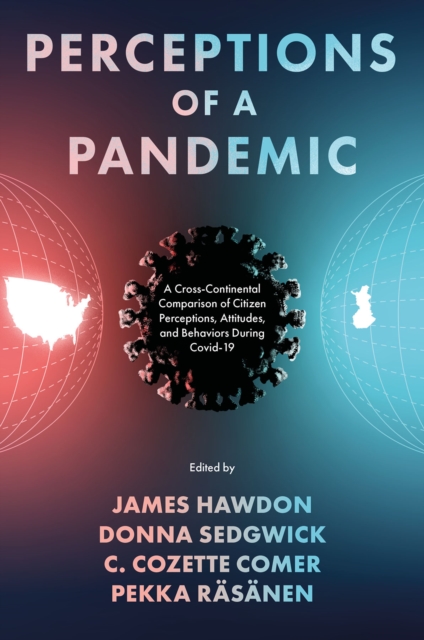
While responses to the Covid-19 pandemic varied based on the timing of the onset of cases and the severity of the disease, Perceptions of a Pandemic analyzes and compares the perceptions and attitudes of citizens in the US and Finland during the pandemic's early stages and relates these to health and wellbeing outcomes after the pandemic ended.
While responses to the Covid-19 pandemic varied based on the timing of the onset of cases and the severity of the disease, Perceptions of a Pandemic analyzes and compares the perceptions and attitudes of citizens in the US and Finland during the pandemic's early stages and relates these to health and wellbeing outcomes after the pandemic ended.
Die immer stärker werdende Zuwendung zu der eigenen Leiblichkeit und der Welt, erleben viele Menschen als Verhinderung der Rückkehr ihres Bewusstseins zu sich, zu der eigenen Tiefe im Inneren.
Drawing on decades of on-the-ground experience, a strong body of existing research on the social construction of risk, and his own academic research, Terry Gibson demonstrates the transformative potential of current debates around de- and re-growth for disaster studies.