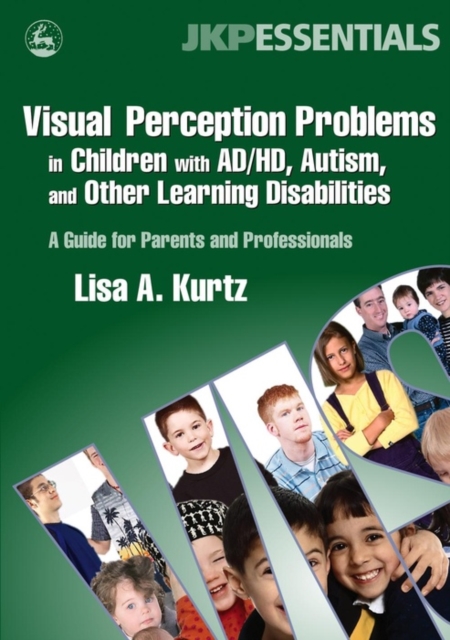
This book provides a comprehensive overview of vision problems in children with developmental disabilities such as AD/HD, autism spectrum disorders, and specific learning disabilities.
This highly accessible and informative book offers practical strategies for the protection of children that all parents, teachers, and anyone involved in the life of a child will find indispensable.
Realizing the College Dream with Autism or Asperger Syndrome is both a practical and a personal account of one ASD student's successful experience of going to college.
The Pampered Child Syndrome is a welcome source of advice for parents or professionals working with children who are given all the love and care they need, yet who remain unhappy, anxious or angry.
The title is an effective, manualized parent education programme'- Educational Book ReviewThis ground-breaking training programme has been developed in response to a real need for evidence-based early interventions for very young autistic children.
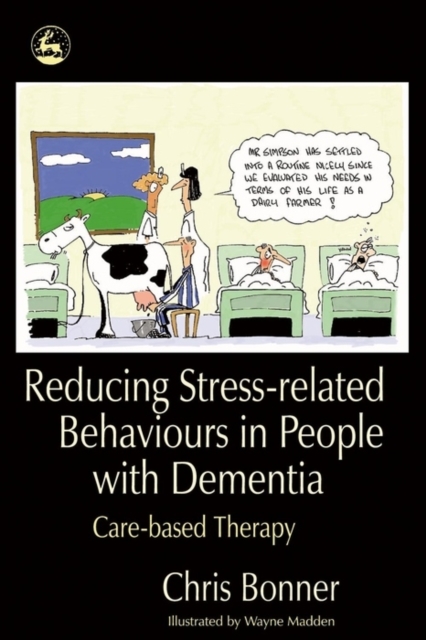
In Reducing Stress-Related Behaviours in people with Dementia, Chris Bonner has written a thoroughly entertaining, yet highly instructive, manual for people with Alzheimer's disease and other dementias.
Progress made with children with conduct disorder in specialist schools often does not transfer to the home, but this book shows how behavioural parent training and applied behaviour analysis can help professionals work with parents to continue improving their child's behaviour.
Gluten-free casein-free diets are widely used to improve cognitive function, speech patterns, behavior, and general well-being in children on the autistic spectrum.
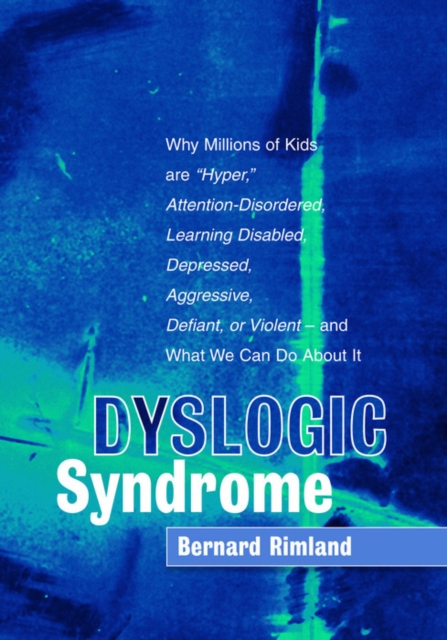
Dyslogical children are commonly labelled as having one or more of a mix of conditions that include Attention Deficit/Hyperactivity Disorder, Conduct Disorder, Bipolar Disorder and Oppositional Defiant Disorder.
This guide for professionals working with students with autism spectrum conditions (ASCs) in further education meets the increasing demand for information and support on this subject.
This book is a "e;must read"e; for anyone who is presently caring for their aging parents, anyone who will eventually care for their aging parents or anyone planning on growing older.
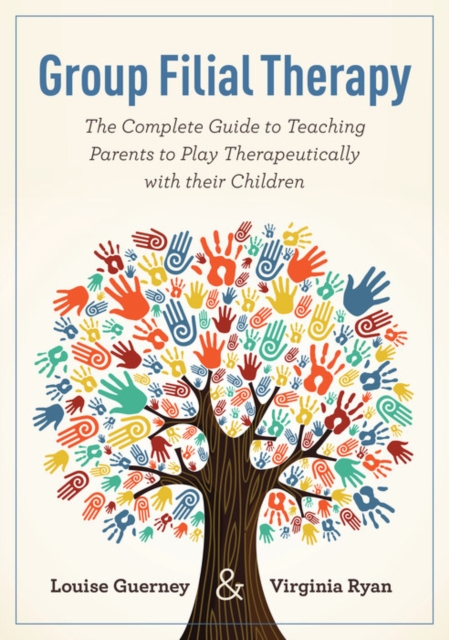
In Group Filial Therapy (GFT), therapists train parents to conduct play sessions with their own children to help meet children's therapeutic needs, and to transfer appropriate skills to family life.
Understanding Fetal Alcohol Spectrum Disorder (FASD) is a useful introduction to the most common non-genetic learning disability, which is caused by alcohol consumption during pregnancy.
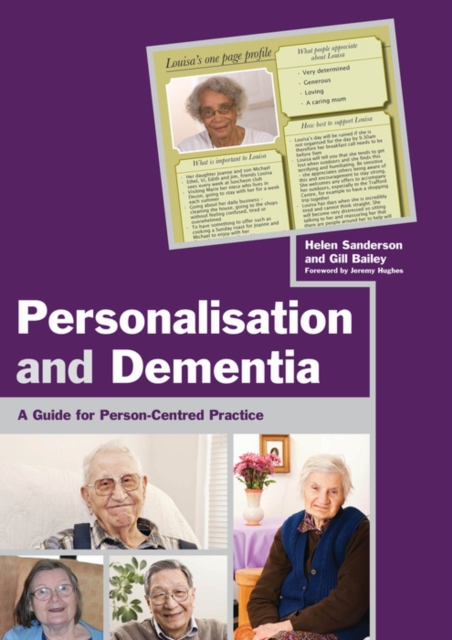
Personalisation builds on person-centred care to focus on how people with dementia can have more choice and control over decisions affecting them, and be supported to be part of their communities.
Solution focused approaches offer proven ways of helping children overcome a whole range of difficulties, from academic problems to mental health issues, by helping them to identify their strengths and achievements.
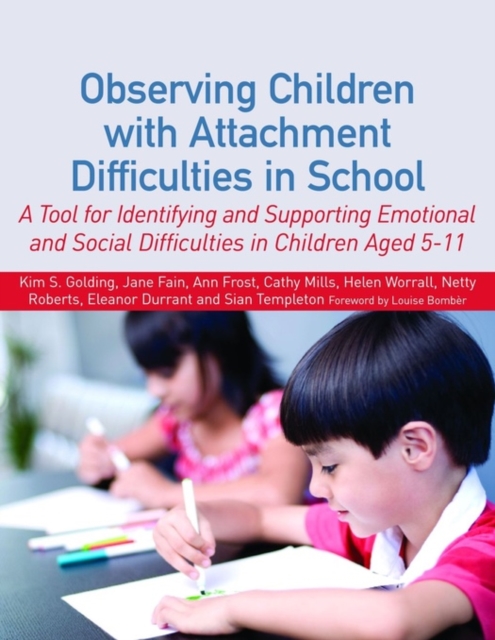
Emotional difficulties in children aged 5-11 can display themselves in a range of different behaviours, and it is important for staff in schools to be able to identify and address these problems, and to provide appropriate help.
The experiences and needs of residents and patients in nursing and care homes are very different at night, and this is particularly true for those with dementia.
A child's capacity to cope with adversity and 'stand on their own two feet' is seen as critical to their development, well-being, and future independence and success in adulthood.
This fully-updated second edition of Helping Children with Dyspraxia has been revised to reflect current practice and developments, providing clear and positive answers to questions commonly asked by parents and teachers about dyspraxia.
Child Development for Child Care and Protection Workers is a classic text for students and practitioners in the child care and protection field which summarises important current thinking on child development and applies it directly to practice.
Alongside the world of everyday reality, the young child develops a rich imaginary world of child art, make-believe play, imaginary friends, fairy tales and magic.
Disability and Child Sexual Abuse examines the ways in which society marginalises, institutionalises and places disabled children in situations of unacceptable risk, and how - as evidenced in the survivors' narratives - patterns of service delivery can contribute to the problem.
Living with a chronic illness can have a significant psychological impact on a child and his or her family, and it is essential that this aspect of their care is not overlooked.
Children and adolescents with emotional and behavioural problems who are referred to mental health services for assessment often have undiagnosed mild learning disabilities, and this guide is written for clinicians involved in making such assessments.