The stereotype of the gold digger has had a fascinating trajectory in twentieth-century America, from tales of greedy flapper-era chorus girls to tabloid coverage of Anna Nicole Smith and her octogenarian tycoon husband.
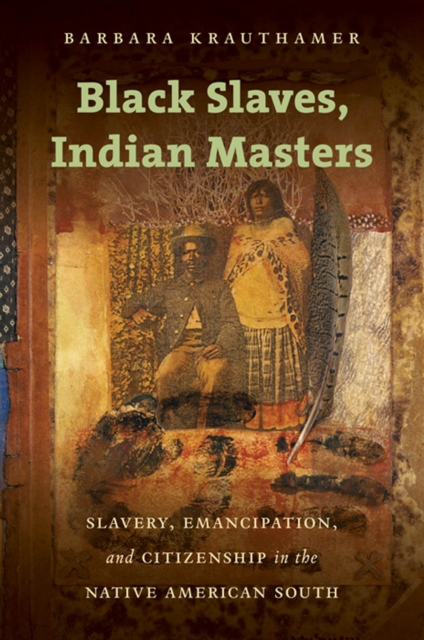
From the late eighteenth century through the end of the Civil War, Choctaw and Chickasaw Indians bought, sold, and owned Africans and African Americans as slaves, a fact that persisted after the tribes' removal from the Deep South to Indian Territory.
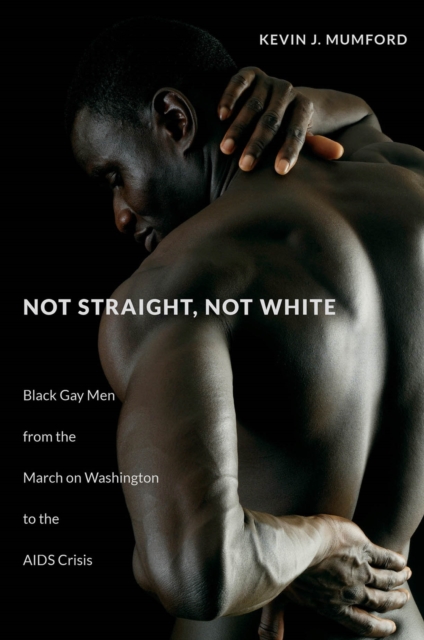
This compelling book recounts the history of black gay men from the 1950s to the 1990s, tracing how the major movements of the timesfrom civil rights to black power to gay liberation to AIDS activismhelped shape the cultural stigmas that surrounded race and homosexuality.
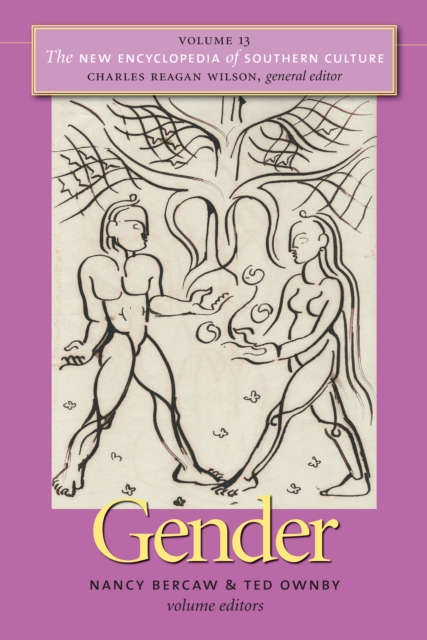
This volume of The New Encyclopedia of Southern Culture reflects the dramatic increase in research on the topic of gender over the past thirty years, revealing that even the most familiar subjects take on new significance when viewed through the lens of gender.
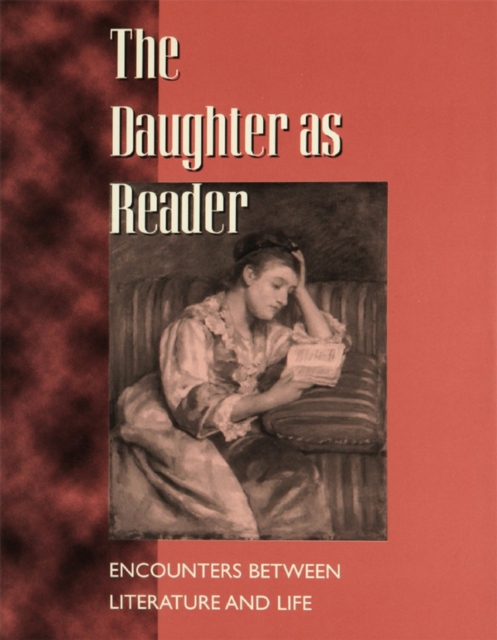
The Daughter as Reader juxtaposes personal narrative with literary criticism to celebrate the ways in which literature enriches and shapes individual experience.
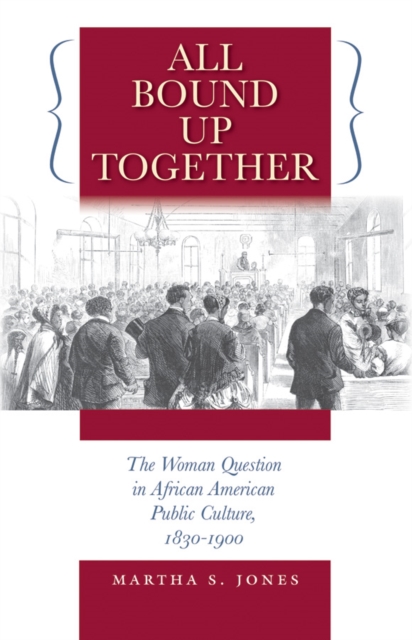
The place of womens rights in African American public culture has been an enduring question, one that has long engaged activists, commentators, and scholars.
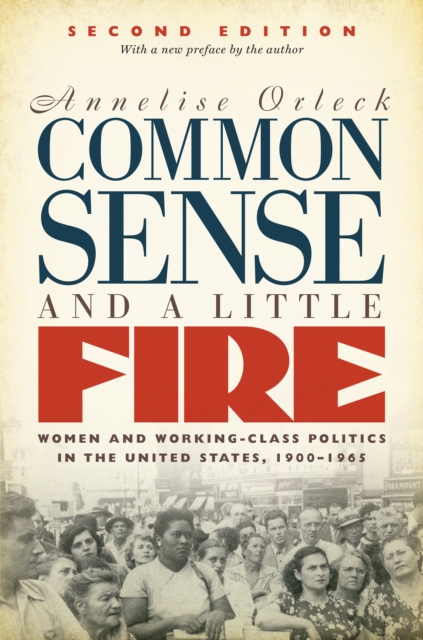
Over twenty years after its initial publication, Annelise Orlecks Common Sense and a Little Fire continues to resonate with its harrowing story of activism, labor, and womens history.
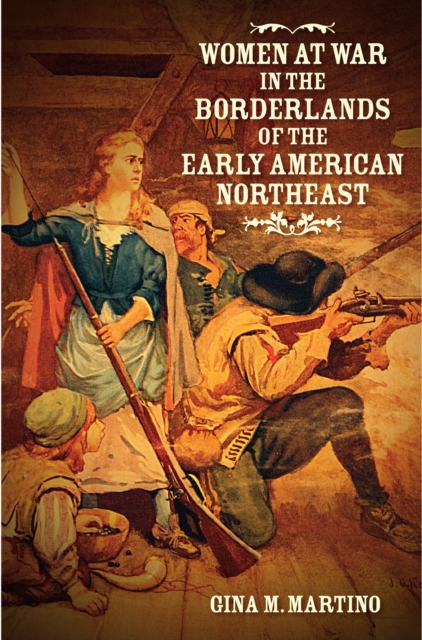
Across the borderlands of the early American northeast, New England, New France, and Native nations deployed women with surprising frequency to the front lines of wars that determined control of North America.
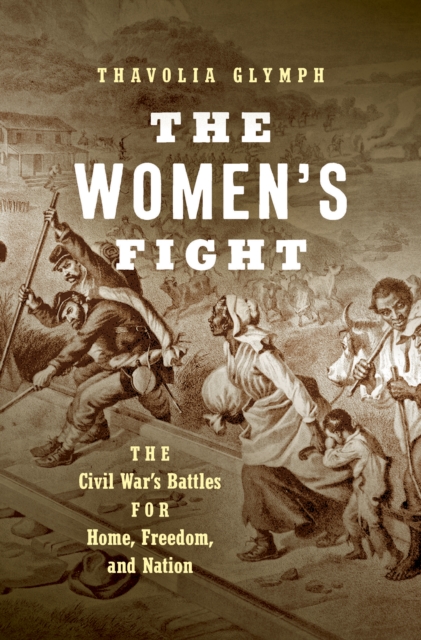
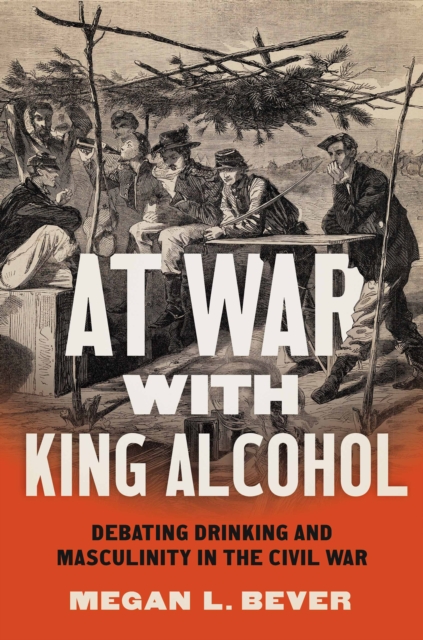
Historians of the Civil War often speak of wars within a warthe military fight, wartime struggles on the home front, and the political and moral battle to preserve the Union and end slavery.
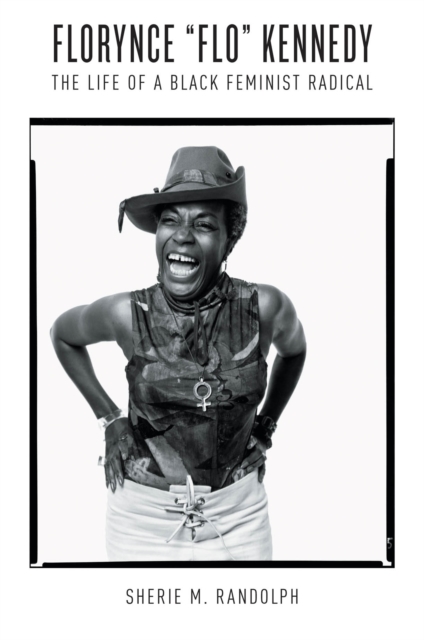
Often photographed in a cowboy hat with her middle finger held defiantly in the air, Florynce Flo Kennedy (19162000) left a vibrant legacy as a leader of the Black Power and feminist movements.
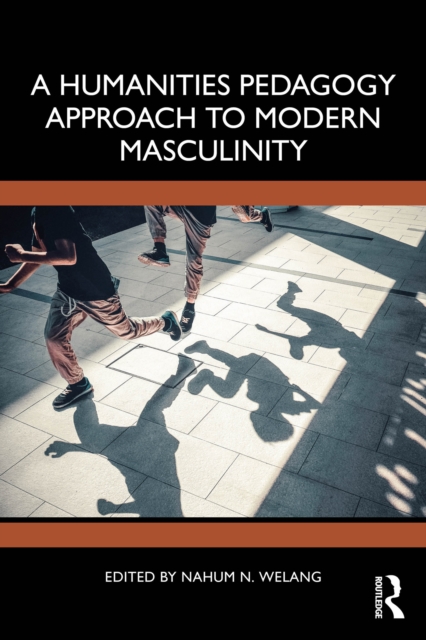
A Humanities Pedagogy Approach to Modern Masculinity examines how classroom-based practices from across the humanities can counter the anti-egalitarian narratives shaping contemporary manosphere discourse.
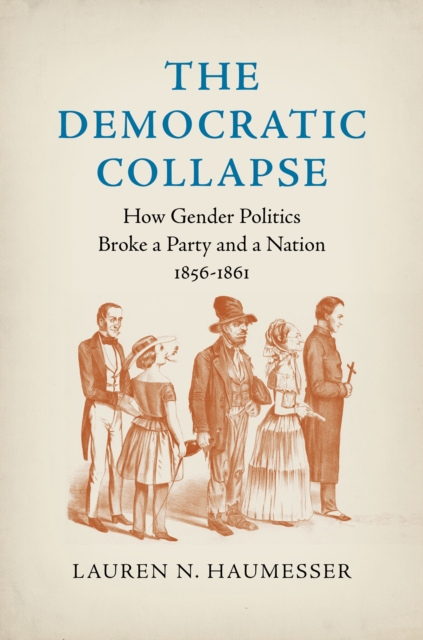
This fresh examination of antebellum politics comprehensively examines the ways that gender issues and gendered discourse exacerbated fissures within the Democratic Party in the critical years between 1856 and 1861.
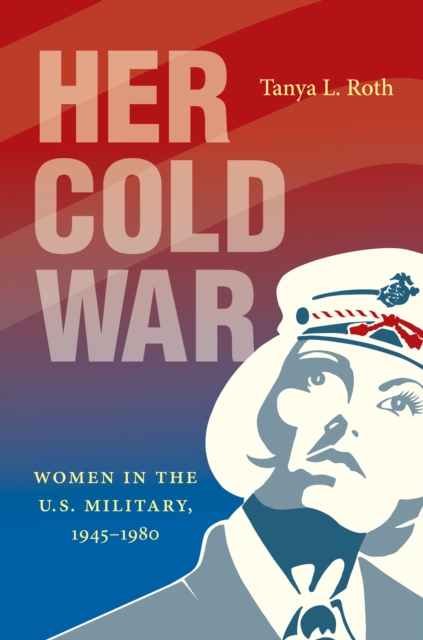
While Rosie the Riveter had fewer paid employment options after being told to cede her job to returning World War II veterans, her sisters and daughters found new work opportunities in national defense.
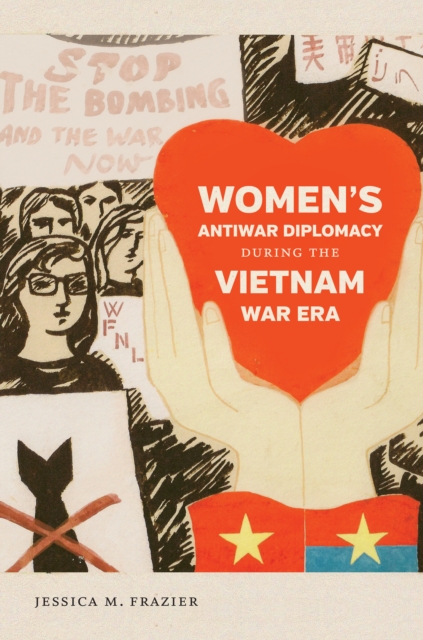
In 1965, fed up with President Lyndon Johnsons refusal to make serious diplomatic efforts to end the Vietnam War, a group of female American peace activists decided to take matters into their own hands by meeting with Vietnamese women to discuss how to end U.
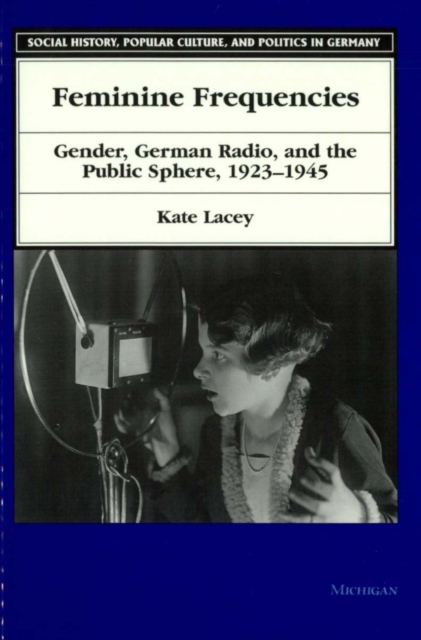
The years following World War I in Germany saw the simultaneous emergence of radio as a public medium entering the private sphere of the home and the large-scale emergence of women entering the public sphere of politics and production.
In this innovative and revealing study of midcentury American sex and culture, Amanda Littauer traces the origins of the sexual revolution of the 1960s.
Thirteenth-century Sufi poet, mystic, and legal scholar Muhyi al-Din ibn al-'Arabi gave deep and sustained attention to gender as integral to questions of human existence and moral personhood.
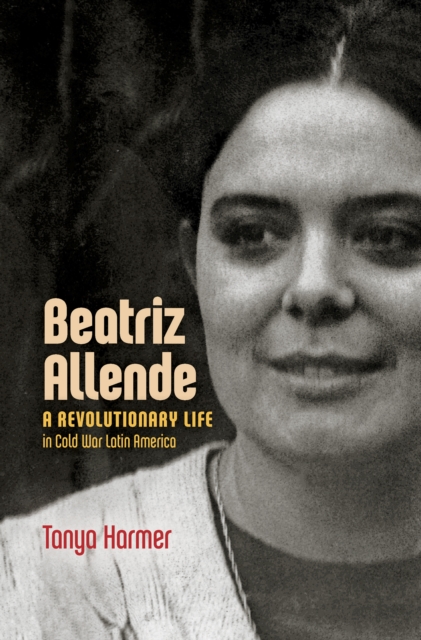
This biography of Beatriz Allende (19421977)revolutionary doctor and daughter of Chiles socialist president, Salvador Allendeportrays what it means to live, love, and fight for change.
As part of the series Routledge Focus on Women Writers in Management and Organization Studies, this volume aims to explore the writing of organization in the sense of how meaning is inscribed into the social context by organizational practices.
This compelling history of what Laura Micheletti Puaca terms technocratic feminism traces contemporary feminist interest in science to the World War II and early Cold War years.
In this innovative study, Crystal Sanders explores how working-class black women, in collaboration with the federal government, created the Child Development Group of Mississippi (CDGM) in 1965, a Head Start program that not only gave poor black children access to early childhood education but also provided black women with greater opportunities for political activism during a crucial time in the unfolding of the civil rights movement.
As the enduring last frontier, Alaska proves an indispensable context for examining the form and function of American colonialism, particularly in the shift from western continental expansion to global empire.
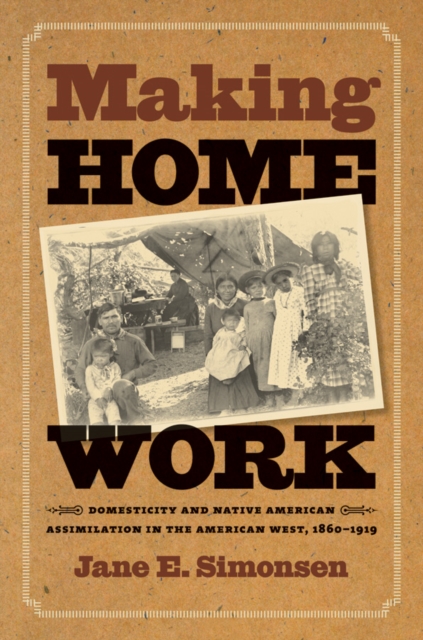
During the westward expansion of America, white middle-class ideals of home and domestic work were used to measure differences between white and Native American women.
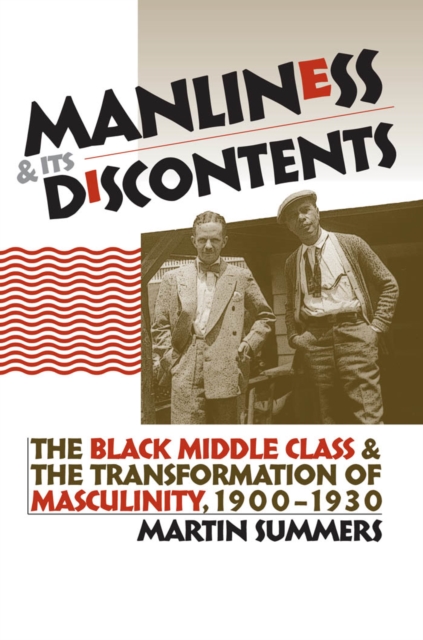
In a pathbreaking new assessment of the shaping of black male identity in the early twentieth century, Martin Summers explores how middle-class African American and African Caribbean immigrant men constructed a gendered sense of self through organizational life, work, leisure, and cultural production.
In Women and the Historical Enterprise in America, Julie Des Jardins explores American womens participation in the practice of history from the late nineteenth century through the end of World War II, a period in which history became professionalized as an increasingly masculine field of scientific inquiry.
In 1996, Democratic president Bill Clinton and the Republican-controlled Congress ended welfare as we know it and trumpeted workfare as a dramatic break from the past.
A Humanities Pedagogy Approach to Modern Masculinity examines how classroom-based practices from across the humanities can counter the anti-egalitarian narratives shaping contemporary manosphere discourse.
By exploring the intersection of gender and politics in the antebellum North, Michael Pierson examines how antislavery political parties capitalized on the emerging family practices and ideologies that accompanied the market revolution.
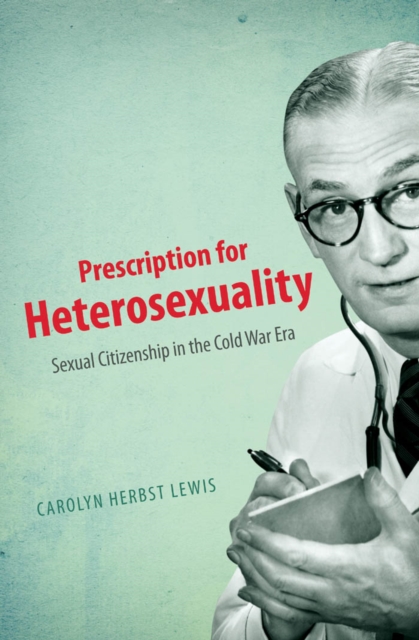
In Prescription for Heterosexuality, Carolyn Herbst Lewis explores how medical practitioners, especially family physicians, situated themselves as the guardians of Americans' sexual well-being during the early Cold War years.