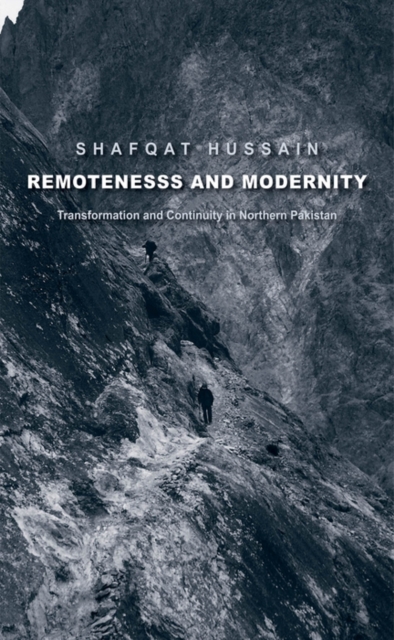
A penetrating anthropological inquiry into remote areas as understood by their inhabitants and by the outsiders who encounter them This groundbreaking book is the first sustained anthropological inquiry into the idea of remote areas.
A fascinating sociological assessment of the damaging effects of the for-profit partnership between government and corporation on rural Americans Why is government distrust rampant, especially in the rural United States?
Drawing on more than a quarter century of field and documentary research in rural North China, this book explores the contested relationship between village and state from the 1960s to the start of the twenty-first century.
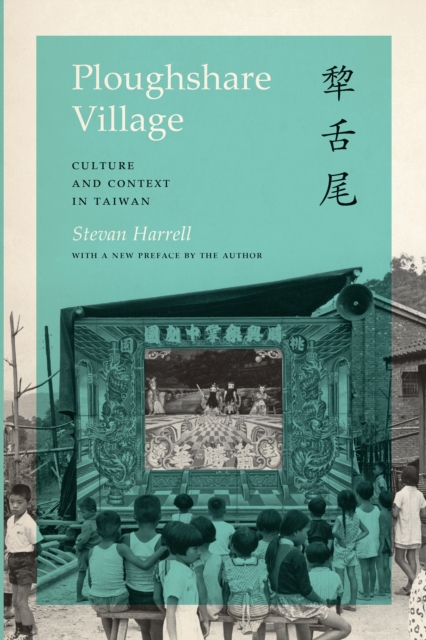
This anthropological study of a workers village in North Taiwan makes an important contribution to the comparative literature on Chinese and Taiwanese social organization.
From 1950 to 2001, Lovie Beard Shelton practiced midwifery in eastern North Carolina homes, delivering some 4,000 babies to black, white, Mennonite, and hippie women; to those too poor to afford a hospital birth; and to a few rich enough to have any kind of delivery they pleased.
Construction of a school building reflected the importance of universal education and a communitys desire to establish permanence in the ever-expanding Western frontier.
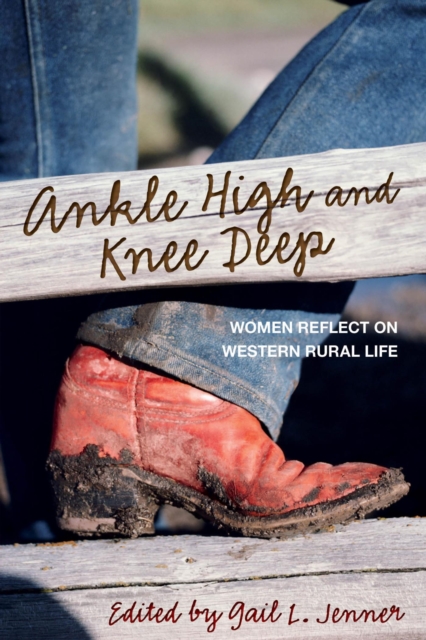
Colicky horses, trucks high-centered in pastures, late nights spent in barns birthing calves--the trials and tribulations of farm and ranch life are as central to its experience as amber waves of grain and Sunday dinners at the ranch house.
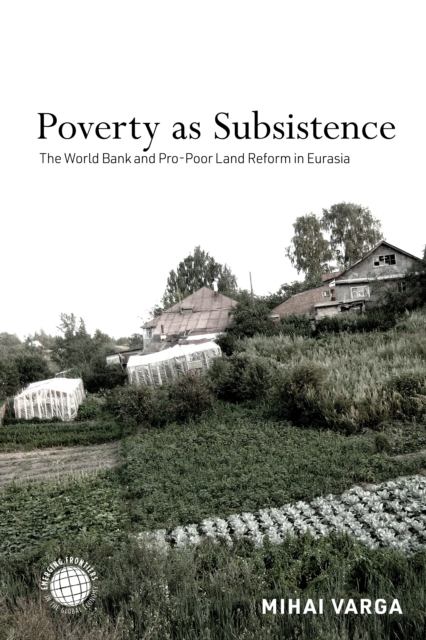
Poverty as Subsistence explores the "e;propertizing"e; land reform policy that the World Bank advocated throughout the transitioning countries of Eurasia, expecting poverty reduction to result from distributing property titles over agricultural land to local (rural) populations.
In 1939, residents of a rural village near Chengdu watched as Lei Mingyuan, a member of a violent secret society known as the Gowned Brothers, executed his teenage daughter.
Mediterranean agriculture is by and large envisaged as a landscape of small farms of high nature value producing worldwide recognisable quality food products that make up the basis of the famous Mediterranean diet and shape Southern European cultures.
Les recenseurs doivent capturer et analyser les informations au niveau géographique le plus détaillé à l’aide des technologies mobiles et géospatiales.
Rural life in North America has changed dramatically since the days of the family farm, when people worked the same land for generations, let their cows graze in pastures and their chickens scratch in dirt, and sold their produce locally.
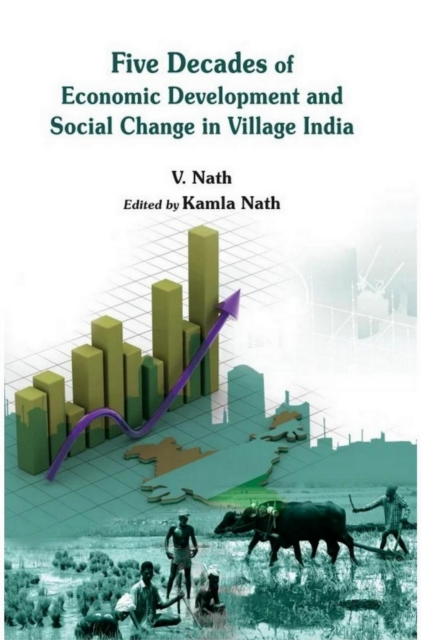
The book, Five Decades of Economic Development and Social Change in Village India, covers authors works on village India over a span of half a century.
The main and vital objective of this volume is ton make in the book a few selected articles that represent some of the most worthwhile contributions to the Knowledge of Tribal (Native's) Education issues with special reference to India.
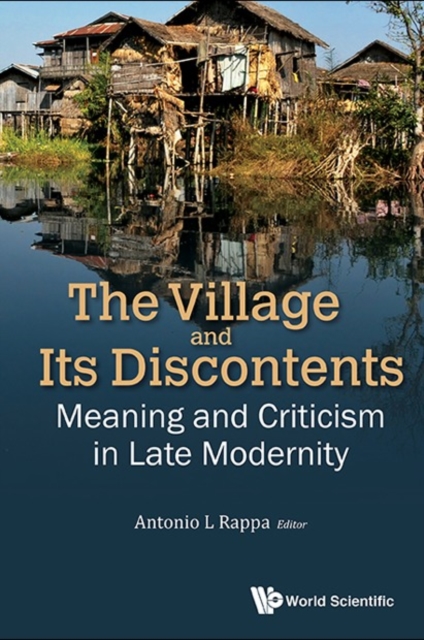
The Village and Its Discontents: Meaning and Criticism in Late Modernity is a hopeful collection of essays about villages in Southeast Asia and across the world.
This book divided into six chapters contain is inter alia the analysis of the purpose and logic of the already existing credit institutions, their strengths and weaknesses in achieving the goals for which they were setup, the changing environment which necessitates the setting up of new institutions called Regional Rural Banks, an analysis of their operations at all India level and in the state of Orissa.
Este libro es el resultado de un desafío que dos historiadoras - una argentina y otra brasileña - hace algunos años, mantienen, siempre desarrollando un esfuerzo conjunto para estimular investigaciones que reflexionen acerca de la historia agraria de Latinoamérica en sus múltiples aspectos, con énfasis en los casos de Argentina y de Brasil.
Producto de largos años de investigación sistemática y con una preocupación orientada hacia los problemas económicos, sociales y culturales de los sectores subalternos, Sonia Tell presenta en este libro un análisis de la estructura agraria y de la población rural de Córdoba entre 1750y 1850, en el curso del cual reconstruye las lógicas y avatares de las unidades domésticas campesinas, durante un difícil período histórico cruzado por los reordenamientos de fines de la colonia, y las guerras y conflictos de distinto orden que atravesaron la primera mitad del siglo XIX.
La correspondencia personal normalmente mantiene un sigilo que permea las miradas ajenas y las curiosidades mal intencionadas; es redactada con afecto a un ser que necesitamos sentir cerca, así sea por medio de las distantes letras.
A moving exploration of presence and place told through the stories of small-scale farmers who, despite intense adversity, continue caring for their land Love for the Land explores the power and potential of people-place relationships.
First published in 1978, The End of Tradition is the history of four Surrey villages, the Horsleys and Clandons, close to London but isolated and protected from it by the Green Belt.
First published in 1978, The End of Tradition is the history of four Surrey villages, the Horsleys and Clandons, close to London but isolated and protected from it by the Green Belt.
From the perspective of village activists across China, this book tells the stories of farmers and rural laborers who raised the banner of opposition to constitutional reform during the first decade of the twentieth century.
An exploration of how key provinces in China shape urban and regional development The rise of major metropolises across China since the 1990s has been a double-edged sword: although big cities function as economic powerhouses, concentrated urban growth can worsen regional inequalities, governance challenges, and social tensions.
A revealing look at the intersection of wealth, philanthropy, and conservationBillionaire Wilderness takes you inside the exclusive world of the ultra-wealthy, showing how today's richest people are using the natural environment to solve the existential dilemmas they face.
From drinking sweet tea on a beloved grandmother's porch to playing army to witnessing prejudice and violence or receiving the lash, these stories illustrate growing up in the South during the 1950s and 1960s, what it felt, tasted, and looked like through the eyes of the boys who lived it.