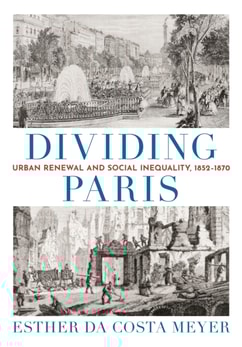
A groundbreaking work of scholarship that sheds critical new light on the urban renewal of Paris under Napoleon IIIIn the mid-nineteenth century, Napoleon III and his prefect, Georges-Eugene Haussmann, adapted Paris to the requirements of industrial capitalism, endowing the old city with elegant boulevards, an enhanced water supply, modern sewers, and public greenery.
An indispensable investigation into the American unemployment system and the ways gender and class affect the lives of those looking for workThrough the intimate stories of those seeking work, The Tolls of Uncertainty offers a startling look at the nation's unemployment system-who it helps, who it hurts, and what, if anything, we can do to make it fair.
An in-depth look at Qatar's migrant workers and the place of skill in the language of control and powerSkill-specifically the distinction between the "e;skilled"e; and "e;unskilled"e;-is generally defined as a measure of ability and training, but Does Skill Make Us Human?
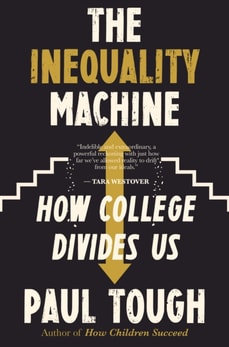
Why higher education is not a silver bullet for eradicating economic inequality and social injusticeWe often think that a college degree will open doors to opportunity regardless of one's background or upbringing.
How poor urban youth in Chicago use social media to profit from portrayals of gang violence, and the questions this raises about poverty, opportunities, and public voyeurismAmid increasing hardship and limited employment options, poor urban youth are developing creative online strategies to make ends meet.
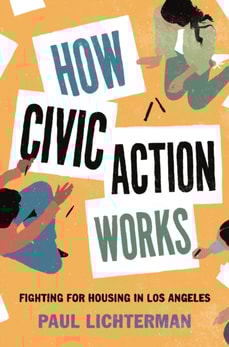
The ways that social advocates organize to fight unaffordable housing and homelessness in Los Angeles, illuminated by a new conceptual framework for studying collective actionHow Civic Action Works renews the tradition of inquiry into collective, social problem solving.
Why higher education is not a silver bullet for eradicating economic inequality and social injusticeWe often think that a college degree will open doors to opportunity regardless of one's background or upbringing.
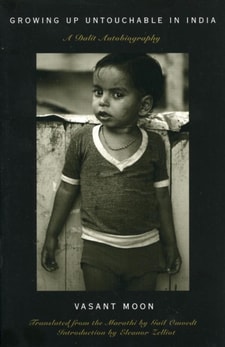
'In this English translation, Moon's story is usefully framed by apparatus necessary to bring its message to even those taking their first look at South Asian culture.
First published as The Years That Matter MostFrom best-selling author Paul Tough, an indelible and explosive book on the glaring injustices of higher education, including unfair admissions tests, entrenched racial barriers, and crushing student debt.
Mothering While Black examines the complex lives of the African American middle classin particular, black mothers and the strategies they use to raise their children to maintain class status while simultaneously defining and protecting their children's ';authentically black' identities.
Generation Priced Out is a call to action on one of the most talked-about issues of our time: how skyrocketing rents and home values are pricing the working and middle classes out of urban America.
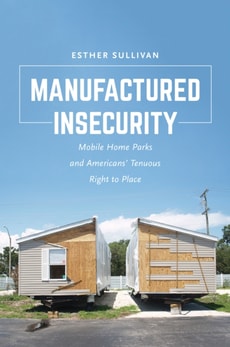
Manufactured Insecurityis the first book of its kind to provide an in-depth investigation of the social, legal, geospatial, and market forces that intersect to create housing insecurity for an entire class of low-income residents.
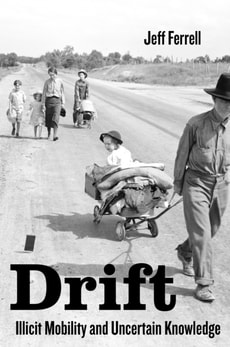
';This book was written late in the North American night, with the rumbling thuds and booming train horns of the nearby rail yard echoing through my windows, reminding me of the train hoppers and gutter punks out there rolling through the darkness.
In The Making of a Teenage Service Class, Ranita Ray uncovers the pernicious consequences of focusing on risk behaviors such as drug use, gangs, violence, and teen parenthood as the key to ameliorating poverty.
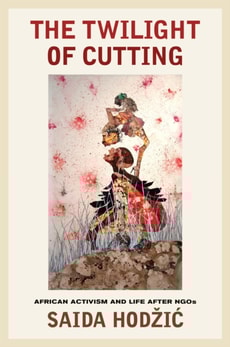
The last three decades have witnessed a proliferation of nongovernmental organizations engaging in new campaigns to end the practice of female genital cutting across Africa.
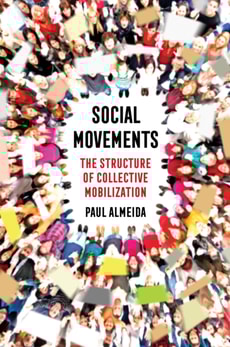
Social Movements cleverly translates the art of collective action and mobilization by excluded groups to facilitate understanding social change from below.
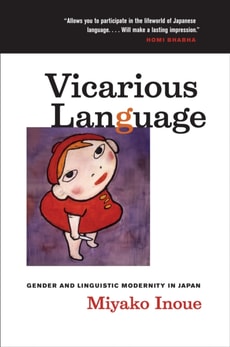
This highly original study provides an entirely new critical perspective on the central importance of ideas about language in the reproduction of gender, class, and race divisions in modern Japan.
An examination of South Korea''s and Taiwan''s economic successes and Argentina''s and Mexico''s relative ''failures'' through their rural middle classes.
The landmark book that changed the way exceptional families think about their heritage, their wealth, and their legacy to future generations--now revised and expanded.
The landmark book that changed the way exceptional families think about their heritage, their wealth, and their legacy to future generations--now revised and expanded.
Urbanisation and urban development issues are the focus of this comprehensive account which introduces readers to the far-reaching changes now taking place in Chinese cities.