This book explores climate change responsiveness policies for cities and discusses why they have been slow to gain traction despite having been on the international agenda for the last 30 years.
This book deals with the immediate effects of, and response to, Hurricane Maria on the social, ecological, and technological systems (SETS) of Puerto Rico.
This book conceptualises and illustrates temporary appropriation as an urban phenomenon, exploring its contributions to citizenship, urban social sustainability and urban health.
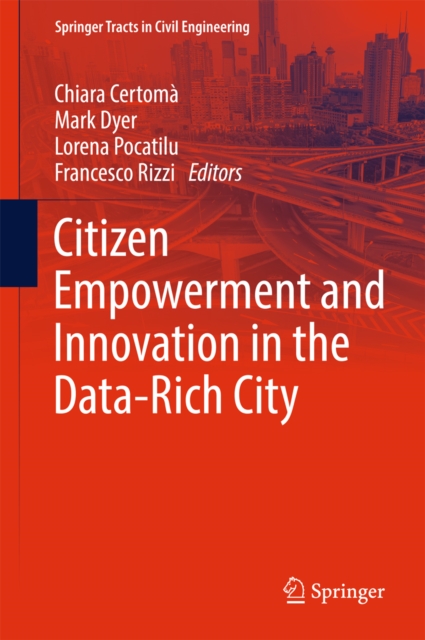
This book analyzes the ongoing transformation in the "e;smart city"e; paradigm and explores the possibilities that technological innovations offer for the effective involvement of ordinary citizens in collective knowledge production and decision-making processes within the context of urban planning and management.
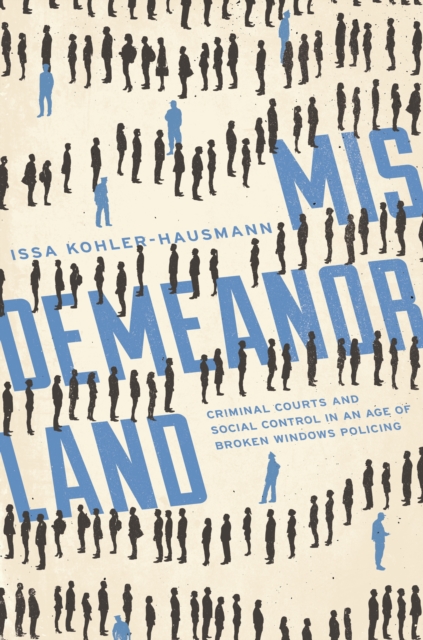
An in-depth look at the consequences of New York City's dramatically expanded policing of low-level offensesFelony conviction and mass incarceration attract considerable media attention these days, yet the most common criminal-justice encounters are for misdemeanors, not felonies, and the most common outcome is not prison.
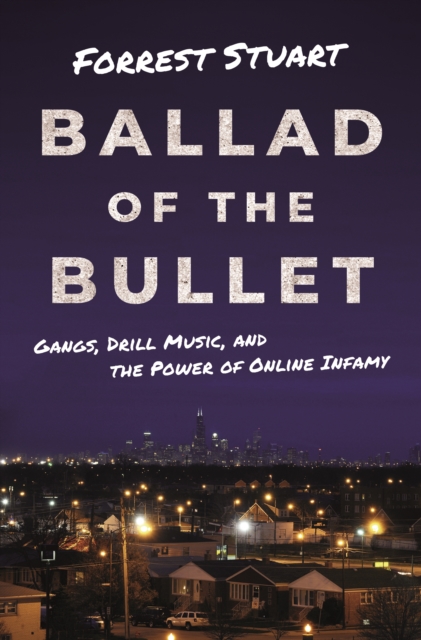
How poor urban youth in Chicago use social media to profit from portrayals of gang violence, and the questions this raises about poverty, opportunities, and public voyeurismAmid increasing hardship and limited employment options, poor urban youth are developing creative online strategies to make ends meet.
In recent decades, hundreds of millions of people across the world have moved from rural areas to metropolitan regions, some of them crossing national borders on the way.
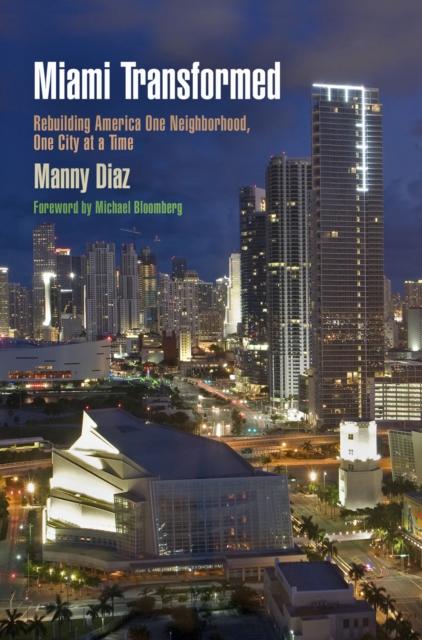
As a subtropical city and the southernmost metropolitan area in the United States, Miami has always lured both visitors and migrants from throughout the Americas.
Global Downtowns reconsiders one of the defining features of urban lifethe energy and exuberance that characterize downtown areaswithin a framework of contemporary globalization and change.
Over the past three decades, the economy of North Carolina's Research Triangledefined by the cities of Raleigh, Durham, and Chapel Hillhas been transformed from one dependent on agriculture and textiles to one driven by knowledge-based jobs in technology, telecommunications, and pharmaceuticals.
Selected by Choice magazine as an Outstanding Academic TitleIt has been called one of the nation's most livable regions, ranked among the best managed cities in America, hailed as a top spot to work, and favored as a great place to do business, enjoy the arts, pursue outdoor recreation, and make one's home.
A paradoxical situation emerged at the turn of the twenty-first century: the dramatic upscaling of the suburban American dream even as the possibilities for achieving and maintaining it diminished.
Six-year-old Manuel Diaz and his mother first arrived at Miami's airport in 1961 with little more than a dime for a phone call to their relatives in the Little Havana neighborhood.
Advances in Food and Nutrition Research recognizes the integral relationship between the food and nutritional sciences and brings together outstanding and comprehensive reviews that highlight this relationship.
Teen suicide has long been considered one of society's darkest secrets; the idea of troubled young people driven to take their own lives was a tragedy too horrible to contemplate, let alone talk about openly.
This book illustrates and discusses the main characteristics of port-city development dynamics with a focus on the fast-growing city-states of the Middle East, which are emerging as key players in logistics and the global supply chain.
This volume critiques the current model of the creative economy, and considers alternative models that may point to greener, cleaner, more sustainable and socially just cultural and creative industries.
This book highlights current concepts of Social Urbanism, the contemporary set of multiple and interdisciplinary urban studies that have emerged mainly from the complex realities of Latin American cities.
A one-of-a-kind walking guide to Brooklyn, from the man who walked every block in New York CityBill Helmreich walked every block of New York City-6,000 miles in all-to write the award-winning The New York Nobody Knows.
Developed for academic researchers and for those who work in industry, Present and Future of High Pressure Processing: A Tool for Developing Innovative, Sustainable, Safe, and Healthy Foods outlines innovative applications derived from the use of high-pressure processing, beyond microbial inactivation.
This book traces the history of urban design in tropical South East Asia with a view to offering solutions to contemporary architectural and urban problems.
The last two decades have ushered in what has become known as a participatory revolution, with consultants, advisors, and non-profits called into communities, classrooms, and corporations alike to listen to ordinary people.
The last two decades have ushered in what has become known as a participatory revolution, with consultants, advisors, and non-profits called into communities, classrooms, and corporations alike to listen to ordinary people.
Après avoir cofondé la première revue homosexuelle canadienne, la poète Elsa Gidlow, 21 ans, décide de quitter Montréal en 1920, déçue par le manque de possibilités amoureuses que lui offre alors la ville.
Das Buch unterstützt bei der Anwendung der Verfahren für die Planungspraxis zur stätischen (urbanen) Verkehrssystemen und gibt Anleitung für die Interpretation der Ergebnisse.
A volume of five parts, this book is a culmination of selected research papers from the second version of the international conferences on Urban Planning & Architectural Design for sustainable Development (UPADSD) and Urban Transit and Sustainable Networks (UTSN) of 2017 in Palermo and the first of the Resilient and Responsible Architecture and Urbanism Conference (RRAU) of 2018 in the Netherlands.