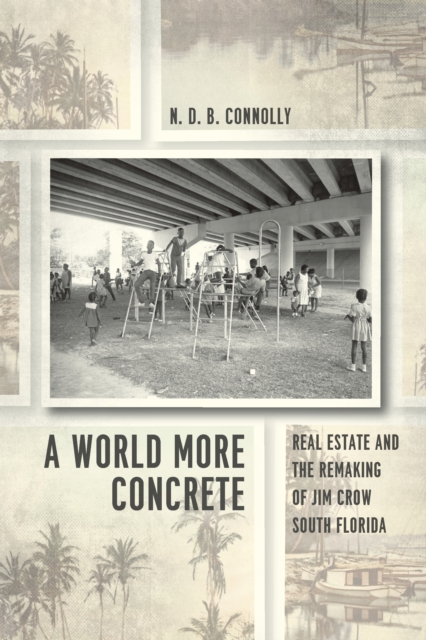
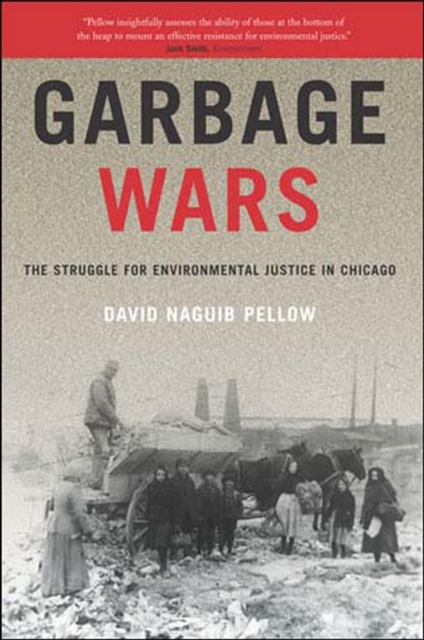
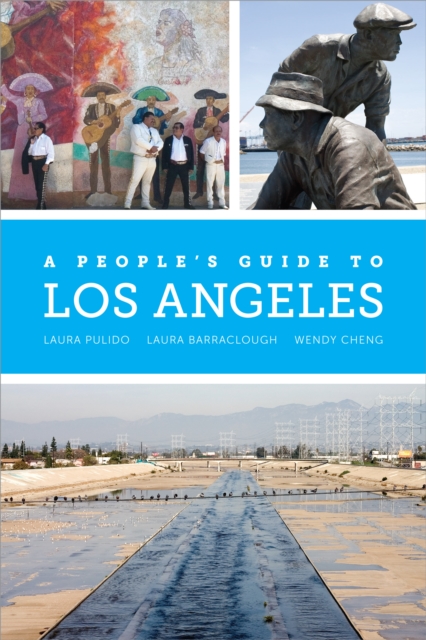
Interrogates the connections between a city's physical landscape and the poverty and social problems that are often concentrated at its literal lowest points.
"e;Perhaps,"e; wrote Ralph Ellison more than seventy years ago, "e;the zoot suit contains profound political meaning; perhaps the symmetrical frenzy of the Lindy-hop conceals clues to great potential power.
From the years 2004 to 2008, Beijing and Shanghai witnessed the construction of an extraordinary number of new buildings, many of which were designed by architectural firms overseas.
Discuss real estate with any young family and the subject of schools is certain to come up-in fact, it will likely be a crucial factor in determining where that family lives.
First published in 1932, The Taxi-Dance Hall is Paul Goalby Cressey's fascinating study of Chicago's urban nightlife-as seen through the eyes of the patrons, owners, and dancers-for-hire who frequented the city's notoriously seedy "e;taxi-dance"e; halls.
In Bottleneck, anthropologist Caroline Melly uses the problem of traffic bottlenecks to launch a wide-ranging study of mobility in contemporary urban Senegal-a concept that she argues is central to both citizens' and the state's visions of a successful future.
In a cemetery on the southern outskirts of Paris lie the bodies of nearly a hundred of what some have called the first casualties of global climate change.
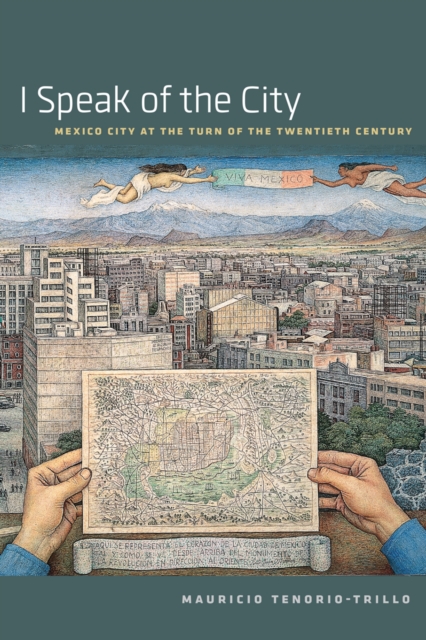
In this dazzling multidisciplinary tour of Mexico City, Mauricio Tenorio-Trillo focuses on the period 1880 to 1940, the decisive decades that shaped the city into what it is today.
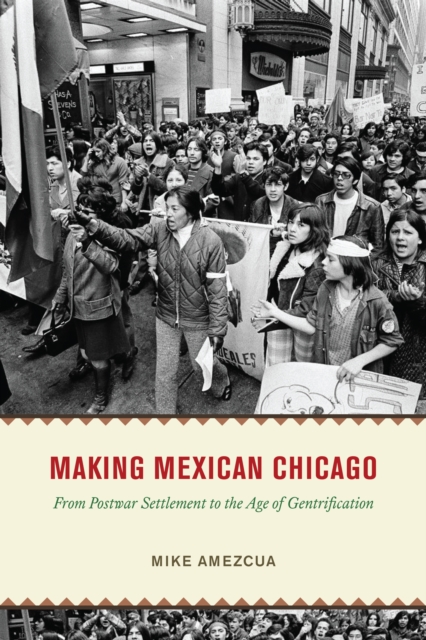
Winner of the Immigration and Ethnic History Society's First Book Award: an exploration of how the Windy City became a postwar Latinx metropolis in the face of white resistance.
Drawing on economics, sociology, geography, and psychology, Galster delivers a clear-sighted explanation of what neighborhoods are, how they come to be-and what they should be.
Many people characterize urban renewal projects and the power of eminent domain as two of the most widely despised and often racist tools for reshaping American cities in the postwar period.
A landmark book that strives to provide both grand theory and practical application, innovatively describing the structure and dynamics of human ecosystems As the world faces ever more complex and demanding environmental and social challenges, the need for interdisciplinary models and practical guidance becomes acute.
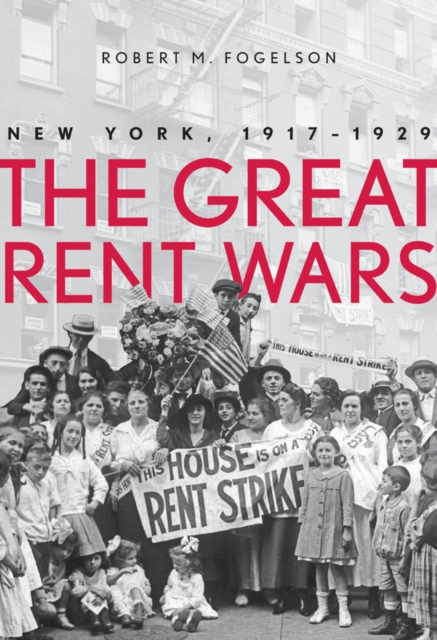
A groundbreaking account of the early history of rent control Written by one of the country’s foremost urban historians, The Great Rent Wars tells the fascinating but little-known story of the battles between landlords and tenants in the nation’s largest city from 1917 through 1929.
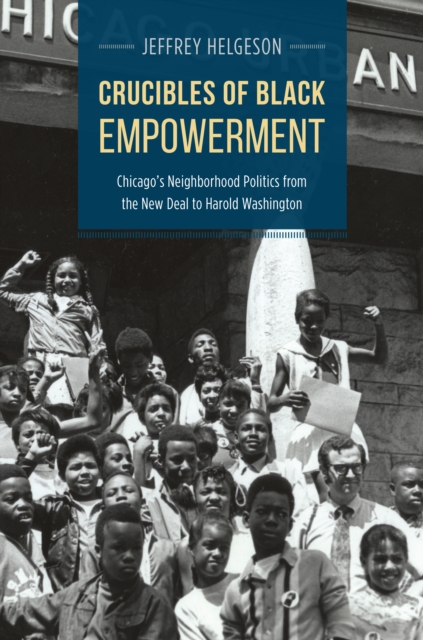
The term "e;community organizer"e; was deployed repeatedly against Barack Obama during the 2008 presidential campaign as a way to paint him as an inexperienced politician unfit for the presidency.
How did neighborhood groceries, parish halls, factories, and even saloons contribute more to urban vitality than did the fiscal might of postwar urban renewal?
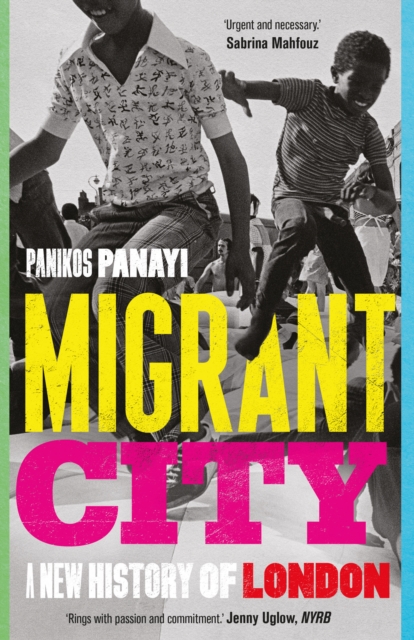
The first history of London to show how immigrants have built, shaped, and made a great success of the capital cityLondon is now a global financial and multicultural hub in which over three hundred languages are spoken.
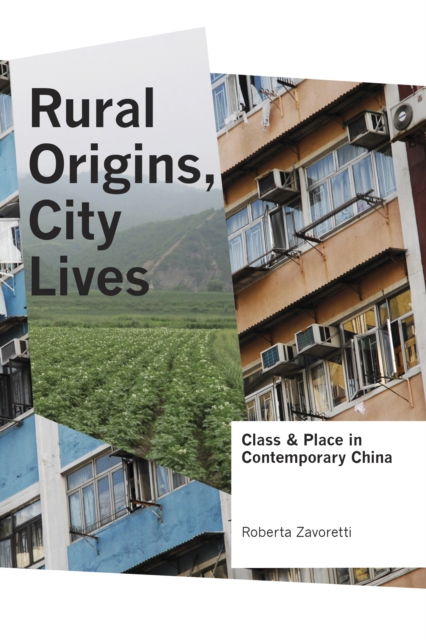
A new understanding of rural-urban migration and inequality in contemporary ChinaMany of the millions of workers streaming in from rural China to jobs at urban factories soon find themselves in new kinds of poverty and oppression.
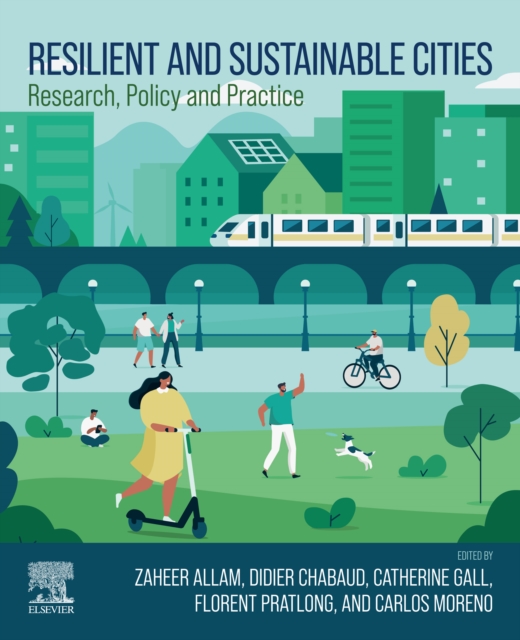
A leading-edge guide to thinking about and planning for twenty-first-century cities in all their social, political, and ecological complexity The first “urban century” in history has arrived: a majority of the world’s population now resides in cities and their surrounding suburbs.
A unique examination of the civic use, regulation, and politics of communication and data technologies City life has been reconfigured by our use-and our expectations-of communication, data, and sensing technologies.
A timely and incisive examination of contemporary urban unrest that explains why riots will continue until citizens are equally treated and politically included In the past few decades, urban riots have erupted in democracies across the world.
This study reclaims and builds upon the classic work of anthropologist Elena Padilla in an effort to examine constructions of space and identity among Latinos.
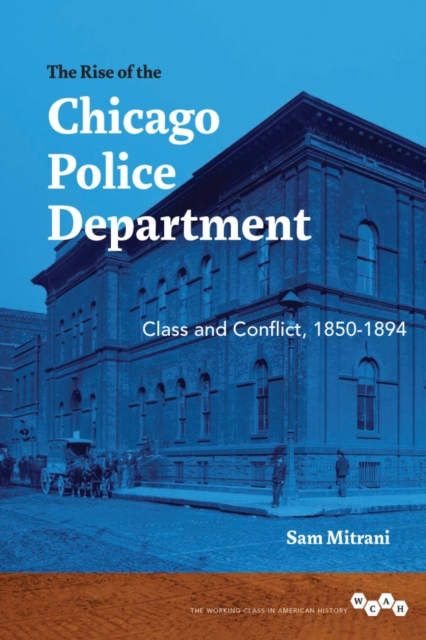
Class turmoil, labor, and law and order in Chicago In this book, Sam Mitrani cogently examines the making of the police department in Chicago, which by the late 1800s had grown into the most violent, turbulent city in America.
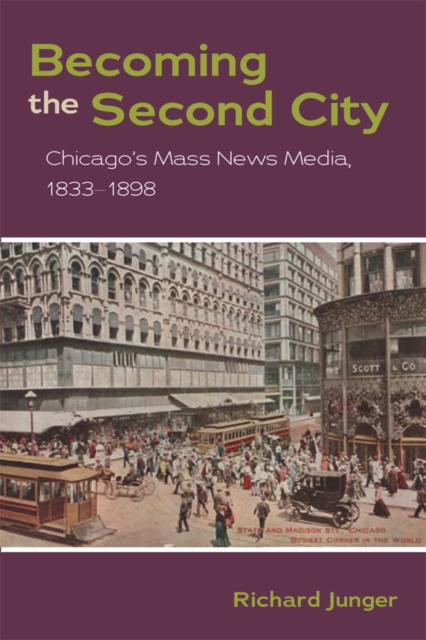
Becoming the Second City examines the development of Chicago's press and analyzes coverage of key events in its history to call attention to the media's impact in shaping the city's cultural and historical landscape.
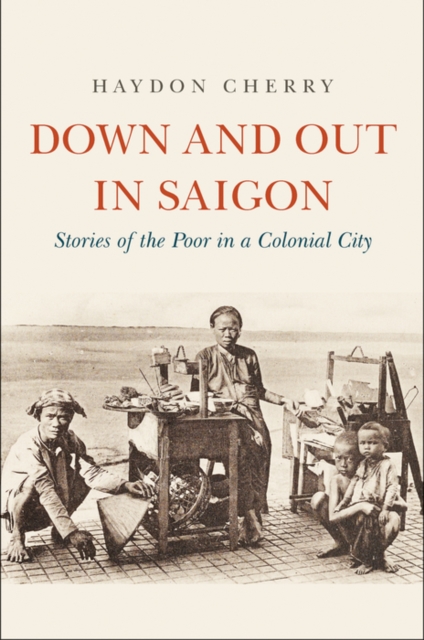
A moving portrait of the lives of six poor city-dwellers, set in early twentieth century colonial Saigon Historian Haydon Cherry offers the first comprehensive social history of the urban poor of colonial French Saigon by following the lives of six individuals—a prostitute, a Chinese laborer, a rickshaw puller, an orphan, an incurable invalid, and a destitute Frenchman—and how they navigated the ups and downs of the regional rice trade and the institutions of French colonial rule in the first half of the twentieth century.
Published in 1912 on the heels of Twenty Years at Hull-House and at the height of Jane Addams's popularity, A New Conscience and an Ancient Evil assesses the vulnerability of the rural and immigrant working-class girls who moved to Chicago and fell prey to the sexual bartering of what was known as the white slave trade.
After living in San Francisco for fifteen years, journalist Gordon Young found himself yearning for his Rust Belt hometown: Flint, Michigan, the birthplace of General Motors and the ';star' of the Michael Moore documentary Roger & Me.
Generation Priced Out is a call to action on one of the most talked-about issues of our time: how skyrocketing rents and home values are pricing the working and middle classes out of urban America.
Urban poverty, along with all of its poignant manifestations, is moving from city centers to working-class and industrial suburbs in contemporary America.
The first edition of Tally's Corner, a sociological classic selling more than one million copies, was the first compelling response to the culture of poverty thesis-that the poor are different and, according to conservatives, morally inferior-and alternative explanations that many African Americans are caught in a tangle of pathology owing to the absence of black men in families.
Arlene Davila brilliantly considers the cultural politics of urban space in this lively exploration of Puerto Rican and Latino experience in New York, the global center of culture and consumption, where Latinos are now the biggest minority group.
In this gripping memoir of the AIDS years (1981-1996), Sarah Schulman recalls how much of the rebellious queer culture, cheap rents, and a vibrant downtown arts movement vanished almost overnight to be replaced by gay conservative spokespeople and mainstream consumerism.
This new edition upon the 50th anniversary of In re Gault includes expanded coverage of the Roberts Courts juvenile justice decisions including Miller v.
The StrategistsBest Books About Asian American Identity,New YorkMagazineThe pioneering Asian American labor organizer and writer's vision for intersectional and anti-racist activism.