Jean Paulhan (1884–1964) stand als Chefredakteur der Nouvelle Revue Française fünfzig Jahre lang im Mittelpunkt des literarischen und intellektuellen Lebens in Frankreich.
It can be difficult to find reliable information that amplifies the voices and the viewpoints of those who have direct experience dealing with diversity, equity and inclusion.
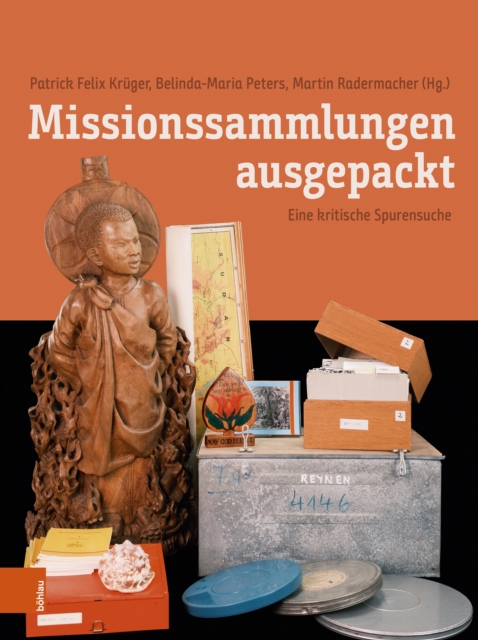
Provenienzforschung ist so viel mehr als die Suche nach Herkunft: Sie öffnet Perspektiven auf Objekte, Sammlungen, ihre Geschichten und die facettenreichen Beziehungen, die in ihnen angelegt sind.
Von freundschaftlicher bis zu feindlicher Begegnung, von konstruktivem Austausch bis zu gewaltsamen Konflikten spiegeln sich Momente des Kultur- und Religionskontakts in den sogenannten Missionssammlungen, dem Ergebnis missionarischer Sammlungstätigkeit.
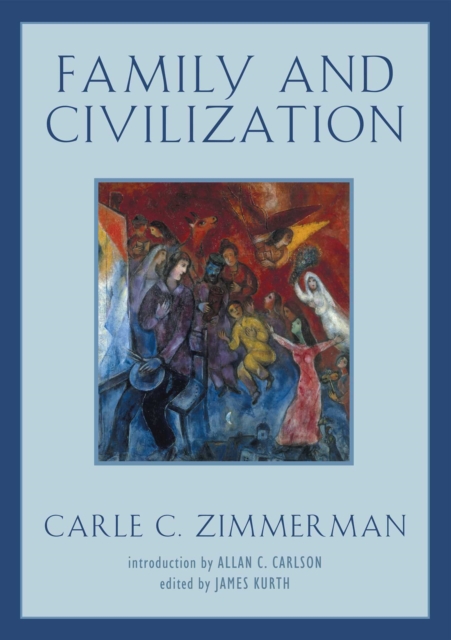
In Family and Civilization, the distinguished Harvard sociologist Carle Zimmerman demonstrates the close and causal connections between the rise and fall of different types of families and the rise and fall of civilizations, particularly ancient Greece and Rome, medieval and modern Europe, and the United States.
A new, transformative history in Tudor times there were Black people living and working in Britain, and they were free ';This is history on the cutting edge of archival research, but accessibly written and alive with human details and warmth.
A new, transformative history in Tudor times there were Black people living and working in Britain, and they were free ';This is history on the cutting edge of archival research, but accessibly written and alive with human details and warmth.
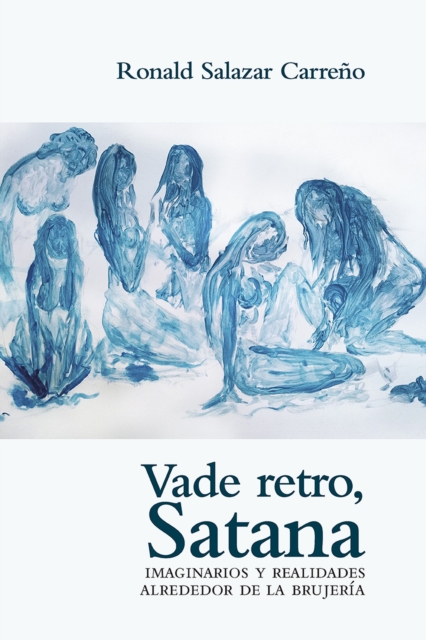
La magia, como un elemento disruptivo, que ensancha el marco perceptivo, epistemico o cognoscitivo del hombre, ha estado presente tambien en sus manifestaciones artisticas.
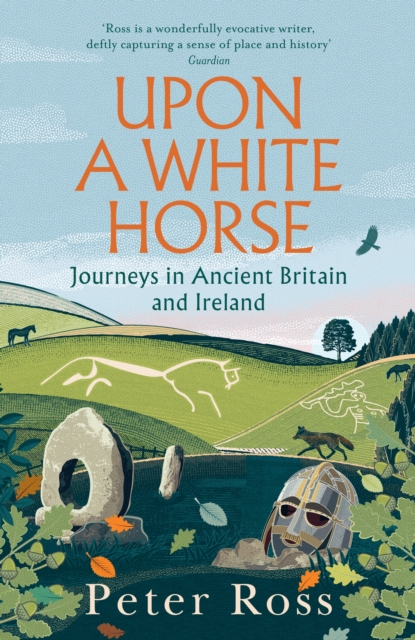
*A RADIO 4 BOOK OF THE WEEK, FINANCIAL TIMES BEST BOOKS OF 2025, SCOTSMAN BOOKS OF 2025, COUNTRY LIFE BOOKS OF THE YEAR 2025*'Packed with anecdote and colour, it's a surprisingly touching portrait of the countries' - Financial Times, Best Books of 2025'An insightful and engaging reflection on the appeal of the ancient' - The Times'I'm a card-carrying admirer of Peter Ross' - Robert MacfarlaneThe prehistoric sites of Britain and Ireland are places of wonder and wondering.
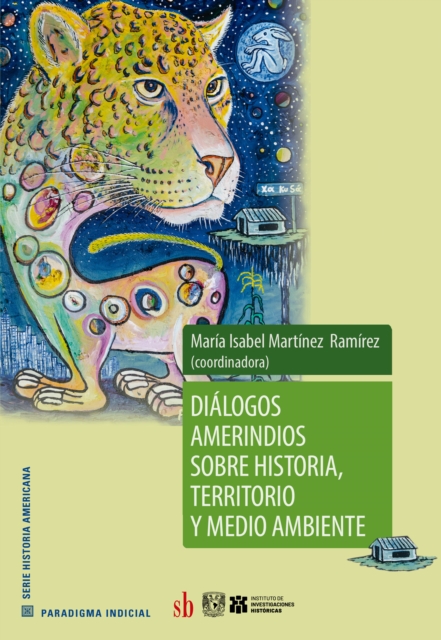
Este libro presenta estudios paradigmaticos sobre los pueblos kolla, omaguaca, aymara, guarani, diaguita, calchaqui, toba-qom y mapuche, que habitan en la Argentina en comunidades rurales o bien como originarios urbanos en la metropoli de Buenos Aires y las comunidades originarias de Chiapas (Mexico).
Este libro examina criticamente las principales teorias de la cultura de los ultimos anos del siglo XX y las que se estan elaborando: la etnografia multisituada neo-posmoderna, las multiples encarnaciones del evolucionismo y el retorno insolito de la etnografia boasiana, puesta al dia por las epistemes de Foucault y por un espeso sentimiento de correccion politica.
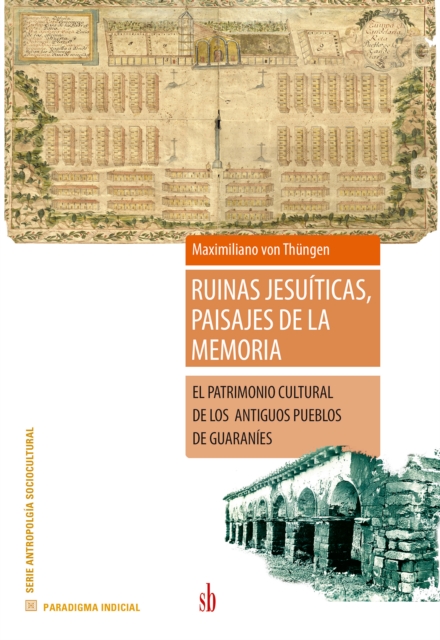
Ruinas jesuiticas, paisajes de la memoria explora el derrotero seguido por las misiones jesuiticas de guaranies desde su fundacion, en los siglos XVII y XVIII, hasta la actualidad.
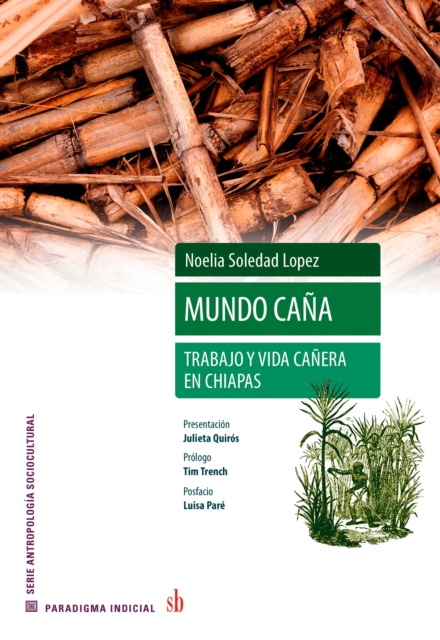
"e;A traves de un primoroso analisis etnografico ingresamos de lleno al 'mundo cana', un entramado de actores, actividades y saberes que conforman el trabajo cotidiano del canero y lo desbordan en lazos familiares y practicas comunitarias, territorios existenciales y modos -tan subalternos como soberanos- de ganarse la vida rural en el Mexico contemporaneo.
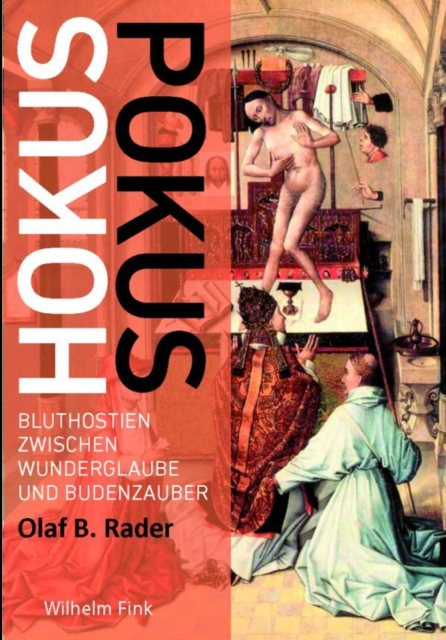
Bei Hitze, Hagel, Kälte oder Trockenheit, als Mittel zur Brandbekämpfung und Abwendung von Wassergefahren hielt man Hostien für allgegenwärtig und allmächtig.
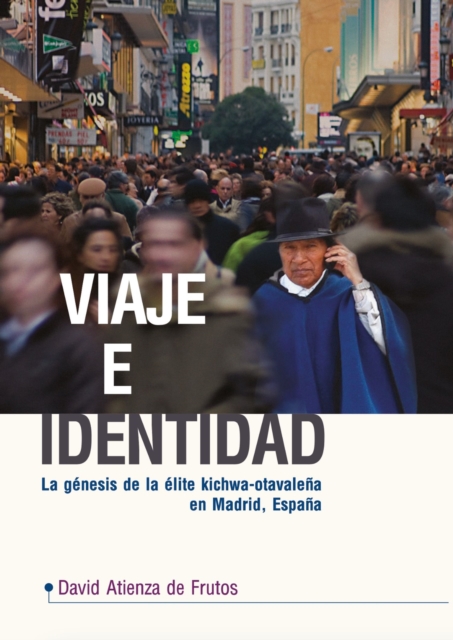
Esta publicación contiene investigaciones de campo que se desarrolló principalmente en Madrid – España, donde durante dos años – 2004 y 2005 – se siguió el rastro y se estableció contacto con varias personas de la comunidad kichwa-otavaleña de Madrid.
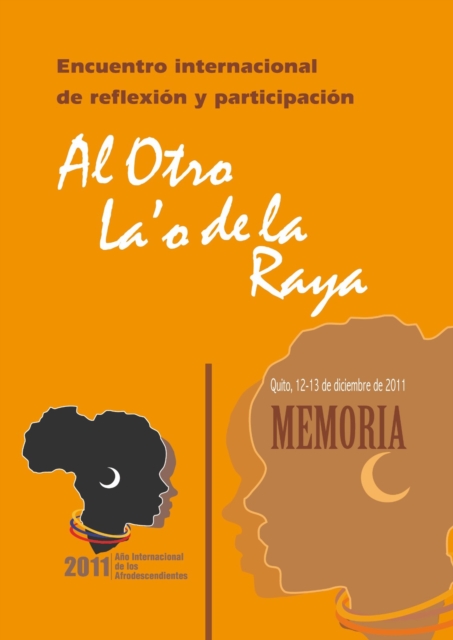
En el marco del "Año internacional de los Afrodescendientes", el Ministerio de Relaciones Exteriores, Comercio e Integración (MRECI), la Organización de Estados Iberoamericanos para la Educación, la Ciencia y la Cultura (OEI) y la Universidad Politécnica Salesiana (UPS), organizaron el Encuentro Internacional de Reflexión y Participación AL OTRO LA'O DE LA RAYA (Quito, 12 – 13 de diciembre de 2011) cuyo objetivo fue la recuperación de la memoria y fortalecimiento de la identidad de los pueblos afrodescendientes en zonas de frontera.
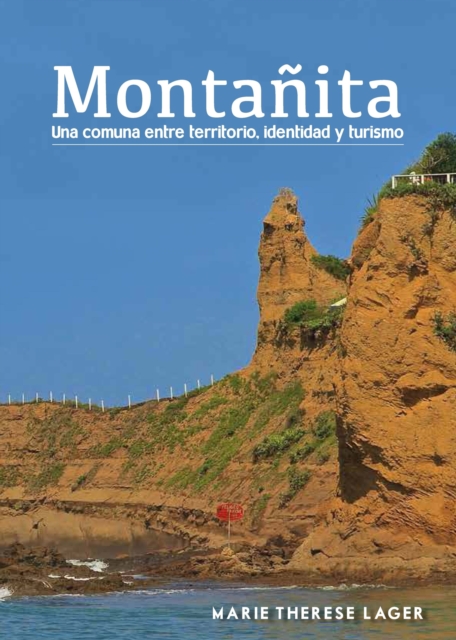
La comuna Montañita – conocida internacionalmente por sus playas donde se practica el surf, y por su fama "fiestera" que atrae grandes flujos turísticos todo el año –, ha tenido grandes cambios durante las últimas cinco décadas.
Las cronicas de autores como fray Gregorio Garcia, Hugo van Groot, Sufrido Pedro, Johann Philipp Cassel y Marcus Zuerius Boxhornio, entre otros, atestiguaron la presencia a nivel continental de una poblacion precolombina distinta a los indigenas.
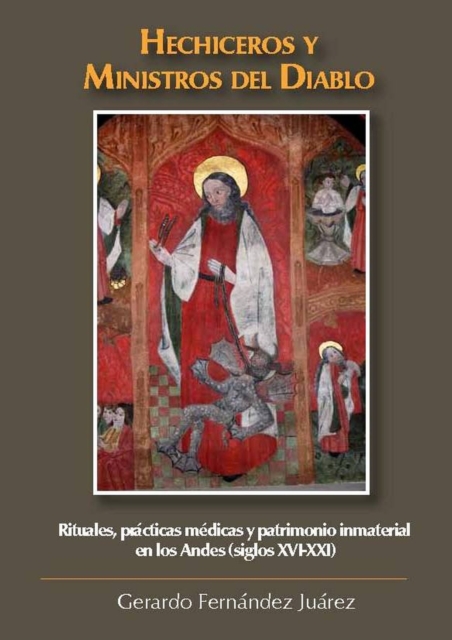
El propósito del presente libro es insistir en la prevalencia actual de los especialistas rituales andinos, los «hechiceros y ministros del diablo» de las crónicas coloniales, en medio de un proceso de reconocimiento político y «empoderamiento ritual» y de sus prácticas ceremoniales, en países como Bolivia, Perú y Ecuador.
El presente volumen recoge el informe final y los trabajos parciales más importantes de una de las investigaciones desarrolladas en el marco de la primera convocatoria de la Universidad Politécnica Salesiana para proyectos internos de investigación científica, desarrollo e innovación tecnológica (2007-2008).
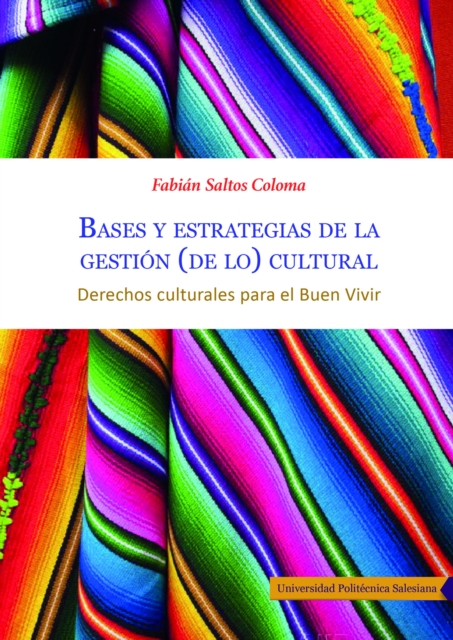
Fabián Saltos Coloma, a modo de introducción, explica el fundamento de su propuesta, basada en su experticia en la gestión sociocultural y en las reflexiones profesionales del antropólogo, como un posicionamiento en la definición de gestión cultural en Latinoamérica y nuestro país, en circunstancias en la que el tema de derechos culturales tiene una importancia y vigencia inusitada, y como una alternativa para ""el vivir en equilibrio y armonía"".
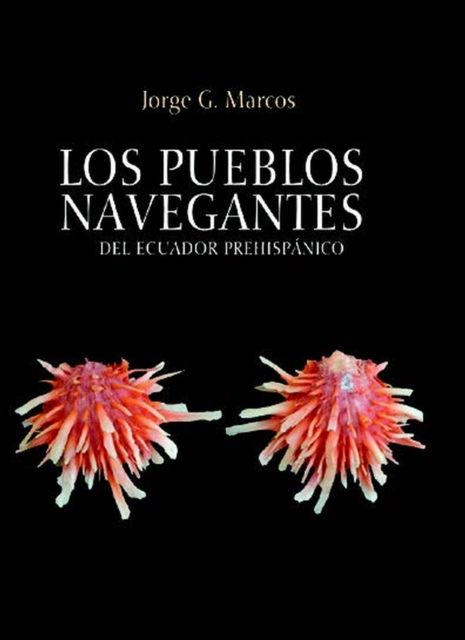
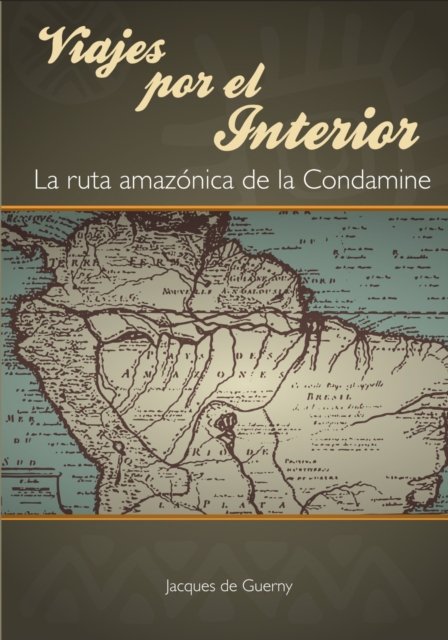
Adolescente, leí con pasión La jangada, 800 lieues sur l'Amazone, de Jules Verne, la historia de una familia y su servidumbre, una centena de personas, que navegaron de Iquitos a Manaos sobre una valsa 320 metros de largo por 20 metros de ancho, hecha de troncos de árbol.
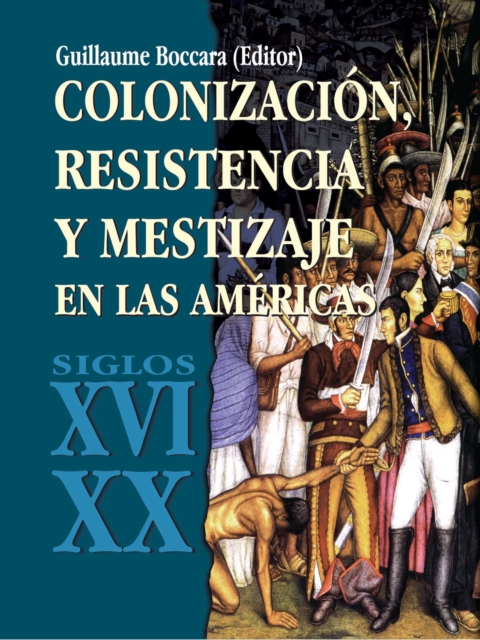
Este libro aborda los temas de la colonización, la resistencia y el mestizaje en las Américas, entre los siglos XVI y XX, desde las problemáticas y los métodos combinados de la antropología y la historia y desde una aproximación a la vez estructural y dinámica.
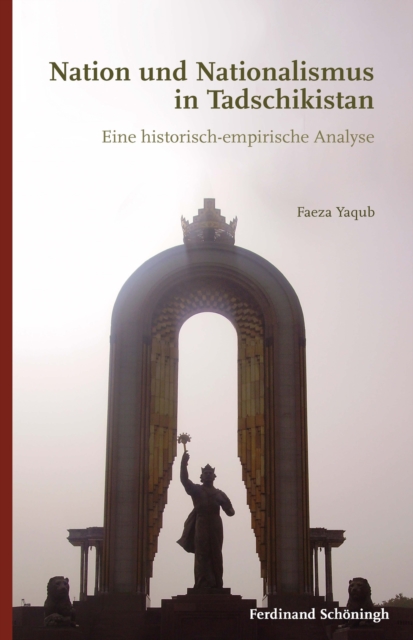
Die nationale Identitätsbildung in Tadschikistan wird mit zahlreichen historischen Ereignissen verknüpft, die Größe, Macht und Stabilität symbolisieren sollen.
Separado del continente por mares interiores y canales sinuosos, el archipiélago de Chiloé ha sido durante siglos un territorio de identidad propia, forjado por la relación entre sus habitantes y el mar.
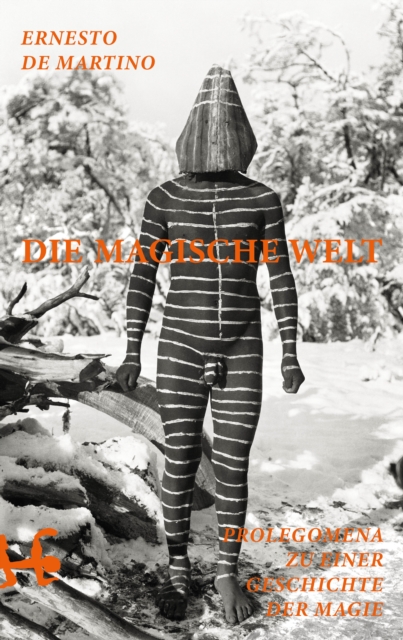
Für Ernesto de Martino ist die Magie weder ein einziger großer Irrtum noch etwas in der Evolution unserer Gesellschaften Überwundenes, sondern beschreibt das für die Menschwerdung unabdingbare existenzielle Drama, das einen über Gegenstände vermittelten Bezug von Ich und Welt überhaupt erst ermöglicht.
El libro es una guía estratégica, una sistematización de prácticas y una colaboración entre agentes especializados que dan cuenta de lo acontecido a propósito del 20 aniversario de la institucionalización de la formación de gestores culturales, no solo para dejar constancia de este proceso, sino para identificar logros y retos.
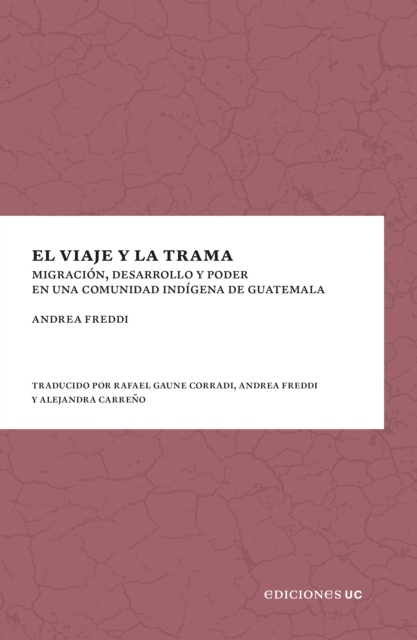
El viaje y la trama es un fascinante estudio etnográfico sobre la transformación de Todos Santos Cuchumatán, una comunidad indígena guatemalteca que ha experimentado cambios radicales debido al impacto de la guerra civil, la globalización y el flujo constante de migrantes hacia Estados Unidos.