When situated in the wider European context, 'the Irish family' has undergone a process of profound transformation and rapid change in very recent decades.
When situated in the wider European context, 'the Irish family' has undergone a process of profound transformation and rapid change in very recent decades.
The present collection brings together a set of essays which shed light on recent research into non-religion, secularity and atheism-topics which have been emerging as important areas of current research in a number of different disciplines.
The present collection brings together a set of essays which shed light on recent research into non-religion, secularity and atheism-topics which have been emerging as important areas of current research in a number of different disciplines.
Lincoln Day assesses the demographic situation, the likely policy alternatives, the significance of future changes in fertility and mortality rates and analyses the likely losses and gains attendant upon an ageing, dwindling people.
Lincoln Day assesses the demographic situation, the likely policy alternatives, the significance of future changes in fertility and mortality rates and analyses the likely losses and gains attendant upon an ageing, dwindling people.
Disillusioned by long hours at home alone and by demands from the older generation, Japanese women are marrying later, resulting in a sharp decline in the Japanese birth rate.
Disillusioned by long hours at home alone and by demands from the older generation, Japanese women are marrying later, resulting in a sharp decline in the Japanese birth rate.
Classical political economy rests on the assumption that the market and the family are overlapping and mutually dependent realms, dominated in turn by economic men and domestic women.
Classical political economy rests on the assumption that the market and the family are overlapping and mutually dependent realms, dominated in turn by economic men and domestic women.
This volume studies age as a basis for social organization by uniting research from the social science disciplines while implementing both cross-cultural and historical perspectives.
This volume studies age as a basis for social organization by uniting research from the social science disciplines while implementing both cross-cultural and historical perspectives.
This volume presents a systematic examination of the impact of social structures on individual behaviors and on their development in adulthood and old age.
Demographic ageing is a reality - within 25 years half the population of Western Europe will be over 50, one quarter over 65, and the Less Developed Countries will contain one billion elderly people.
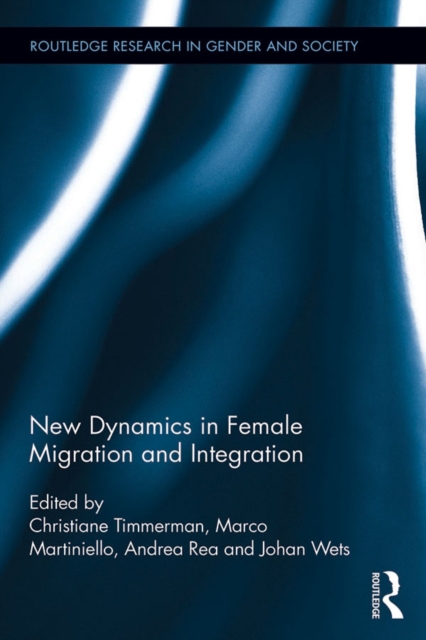
This book explores the dynamic interplay between cross-national and cross-cultural patterns of female migration, integration and social change, by focusing on the specific case of Belgium.
This book explores the dynamic interplay between cross-national and cross-cultural patterns of female migration, integration and social change, by focusing on the specific case of Belgium.
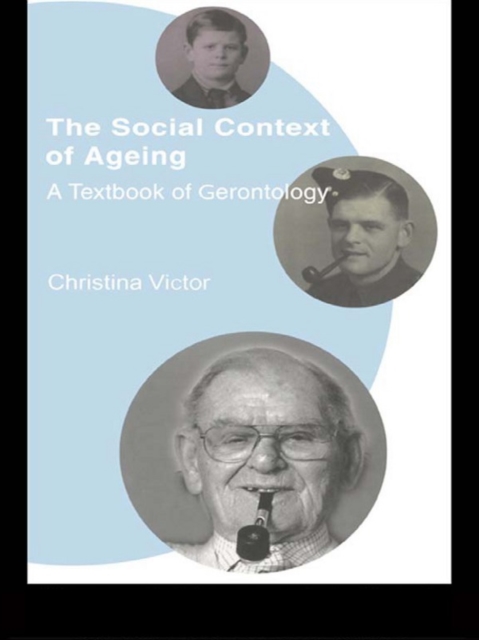
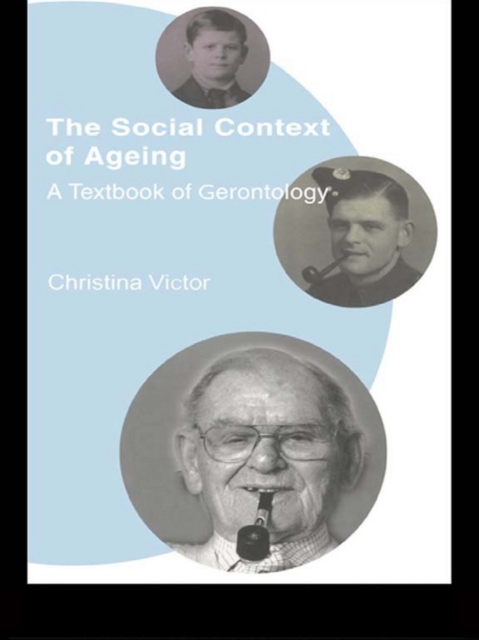
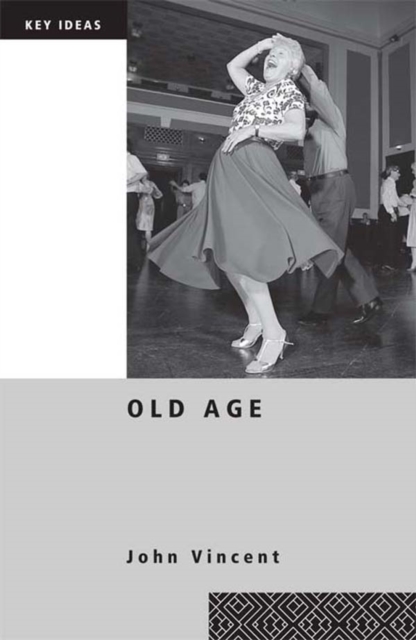
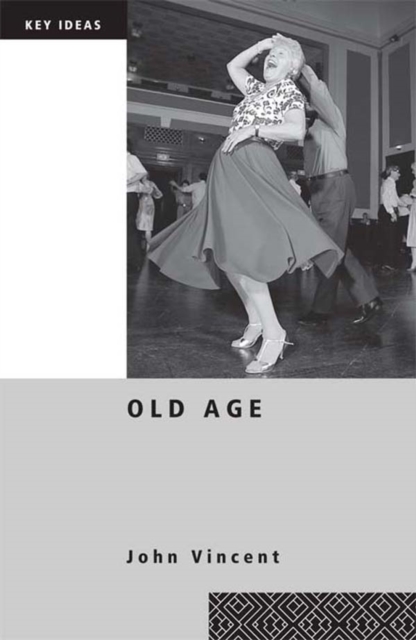
This comprehensive text focuses on the social contexts of ageing, looking at the diversity of ageing and older people, and at different factors that are important to experiences of old age and ageing.
This comprehensive text focuses on the social contexts of ageing, looking at the diversity of ageing and older people, and at different factors that are important to experiences of old age and ageing.
Based on an intensive fieldwork in a southern Hebei village in northern China (1992/3), the author takes an institutional approach and focuses on the way deliberate Chinese state policies driven by new economic and social agendas since the late 1970s have impacted on marriage, family relations and consequently on the way fertility trends have been adversely affected; the study is also very much concerned with the human dimension and the way in which such social and economic changes are perceived and applied in a rural community.
Based on an intensive fieldwork in a southern Hebei village in northern China (1992/3), the author takes an institutional approach and focuses on the way deliberate Chinese state policies driven by new economic and social agendas since the late 1970s have impacted on marriage, family relations and consequently on the way fertility trends have been adversely affected; the study is also very much concerned with the human dimension and the way in which such social and economic changes are perceived and applied in a rural community.
An international textbook designed as a quick introduction for students from around the world studying sociology of family, this text provides comprehensive coverage of the major topics in the sociology of family life.