Experience and Representation: Contemporary Perspectives on Migration in Australia provides a critical overview of influential theoretical perspectives and recent empirical material in the fields of migration, race, culture and politics.
Experience and Representation: Contemporary Perspectives on Migration in Australia provides a critical overview of influential theoretical perspectives and recent empirical material in the fields of migration, race, culture and politics.
In the last decade lifestyle television has become one of the most dominant television genres, with certain shows now global brands with formats exploited by producers all over the world.
In the last decade lifestyle television has become one of the most dominant television genres, with certain shows now global brands with formats exploited by producers all over the world.
Drawing on studies of surface topography, image editing, and diagnostic and surgical experience, Faces Inside and Outside the Clinic addresses the notion of 'truth' in what are considered to be 'right' and 'wrong' faces, whether in clinical cosmetic procedures or in specific sociocultural contexts outside the clinic.
Drawing on studies of surface topography, image editing, and diagnostic and surgical experience, Faces Inside and Outside the Clinic addresses the notion of 'truth' in what are considered to be 'right' and 'wrong' faces, whether in clinical cosmetic procedures or in specific sociocultural contexts outside the clinic.
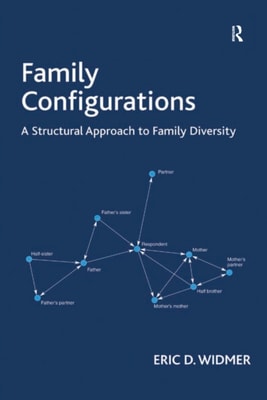
Family Configurations develops current scholarship on families and intimate lives by demonstrating that family relationships, far from being fluid and inconsequential, are more structured and committed than ever.
In spite of their differing rhetorics and cognitive strategies, sociology and literature are often concerned with the same objects: social relationships, action, motivation, social constraints and relationships, for example.
In spite of their differing rhetorics and cognitive strategies, sociology and literature are often concerned with the same objects: social relationships, action, motivation, social constraints and relationships, for example.
Fitting into Place adopts a multi-dimensional interdisciplinary approach to explore shifting geographies and temporalities that re-constitute 'city publics' - and the place of the 'public sociologist'.
Fitting into Place adopts a multi-dimensional interdisciplinary approach to explore shifting geographies and temporalities that re-constitute 'city publics' - and the place of the 'public sociologist'.
Family Configurations develops current scholarship on families and intimate lives by demonstrating that family relationships, far from being fluid and inconsequential, are more structured and committed than ever.
How does Bauman understand the concept of freedom, and how does this understanding relate to the political traditions of conservatism, liberalism and socialism?
How does Bauman understand the concept of freedom, and how does this understanding relate to the political traditions of conservatism, liberalism and socialism?
Gender and Cosmopolitanism in Europe combines a feminist critique of contemporary and prominent approaches to cosmopolitanism with an in-depth analysis of historical cosmopolitanism and the manner in which gendered symbolic boundaries of national political communities in two European countries are drawn.
Gender and Cosmopolitanism in Europe combines a feminist critique of contemporary and prominent approaches to cosmopolitanism with an in-depth analysis of historical cosmopolitanism and the manner in which gendered symbolic boundaries of national political communities in two European countries are drawn.
In recent decades the rise of the so-called "e;global obesity epidemic"e; has led to fatness and fat bodies being debated incessantly in popular, professional, and academic arenas.
In recent decades the rise of the so-called "e;global obesity epidemic"e; has led to fatness and fat bodies being debated incessantly in popular, professional, and academic arenas.
Generations: The Time Machine in Theory and Practice challenges the fragmented and diverse use of the concept of generation commonly found in the social sciences.
Generations: The Time Machine in Theory and Practice challenges the fragmented and diverse use of the concept of generation commonly found in the social sciences.
Informed by the thought of Pierre Bourdieu and framed by the philosophy of harm reduction, Habitus and Drug Using Environments provides a sociological analysis of public environments affected by injecting drug use.
Informed by the thought of Pierre Bourdieu and framed by the philosophy of harm reduction, Habitus and Drug Using Environments provides a sociological analysis of public environments affected by injecting drug use.
Previously considered two different strands within continental thought, this book compares and contrasts Hegel's 'phenomenology' and Foucault's 'genealogy', contending that in spite of their differences, these approaches share important commonalities, most notably in the manner in which they dispense with distinctions between subject and object, theory and praxis, mind and body, and reason and nature, thus pointing the way to a form of social and political theorizing without presuppositions.
Previously considered two different strands within continental thought, this book compares and contrasts Hegel's 'phenomenology' and Foucault's 'genealogy', contending that in spite of their differences, these approaches share important commonalities, most notably in the manner in which they dispense with distinctions between subject and object, theory and praxis, mind and body, and reason and nature, thus pointing the way to a form of social and political theorizing without presuppositions.
Recent debate about the ethical and regulatory dimensions of developments in genetics has sidelined societal and cultural aspects, which arguably are indispensable for a nuanced understanding of the complexities of the topic.
Recent debate about the ethical and regulatory dimensions of developments in genetics has sidelined societal and cultural aspects, which arguably are indispensable for a nuanced understanding of the complexities of the topic.
Based on theoretical developments in research on world-systems analysis, transnational migration, postcolonial and decolonial perspectives, whilst considering continuities of inequality patterns in the context of colonial and postcolonial realities, Global Inequalities Beyond Occidentalism proposes an original framework for the study of the long-term reproduction of inequalities under global capitalism.
Based on theoretical developments in research on world-systems analysis, transnational migration, postcolonial and decolonial perspectives, whilst considering continuities of inequality patterns in the context of colonial and postcolonial realities, Global Inequalities Beyond Occidentalism proposes an original framework for the study of the long-term reproduction of inequalities under global capitalism.
Globalization and Technocapitalism considers the global reach of a new capitalist era, exploring the nature of 'technocapitalism' as grounded in new forms of accumulation, commodification, and corporate organization.
Globalization and Technocapitalism considers the global reach of a new capitalist era, exploring the nature of 'technocapitalism' as grounded in new forms of accumulation, commodification, and corporate organization.
Since the early 1960s, the internationally acclaimed and highly distinguished Swedish geographer Gunnar Olsson has made substantial contributions to his own discipline.
Since the early 1960s, the internationally acclaimed and highly distinguished Swedish geographer Gunnar Olsson has made substantial contributions to his own discipline.
Mapping the resonances, dissonances, and linkages between the thought of Gramsci and Foucault to uncover new tools for socio-political and critical analysis for the twenty-first century, this book reassesses the widely-held view that their work is incompatible.
Mapping the resonances, dissonances, and linkages between the thought of Gramsci and Foucault to uncover new tools for socio-political and critical analysis for the twenty-first century, this book reassesses the widely-held view that their work is incompatible.
Human Rights and the Body is a response to the crisis in human rights, to the very real concern that without a secure foundation for the concept of human rights, their very existence is threatened.
Human Rights and the Body is a response to the crisis in human rights, to the very real concern that without a secure foundation for the concept of human rights, their very existence is threatened.
Imaginative Methodologies in the Social Sciences develops, expands and challenges conventional social scientific methodology and language by way of literary, poetic and other alternative sources of inspiration, as sociologists, social workers, anthropologists, criminologists and psychologists all rethink, provoke and reignite social scientific methodology.
Imaginative Methodologies in the Social Sciences develops, expands and challenges conventional social scientific methodology and language by way of literary, poetic and other alternative sources of inspiration, as sociologists, social workers, anthropologists, criminologists and psychologists all rethink, provoke and reignite social scientific methodology.
Given the propensity of contemporary protection measures such as counterterrorism efforts and fierce protection strategies against viral threats, as well as physical and legal barriers against migration, a number of political philosophers, including Peter Sloterdijk and Roberto Esposito, have claimed that contemporary (political) culture can be characterised by a so-called 'immunisation paradigm'.
Given the propensity of contemporary protection measures such as counterterrorism efforts and fierce protection strategies against viral threats, as well as physical and legal barriers against migration, a number of political philosophers, including Peter Sloterdijk and Roberto Esposito, have claimed that contemporary (political) culture can be characterised by a so-called 'immunisation paradigm'.
Individualisation has become an ambiguous, but defining feature of late modern societies and while it is in part characterised by an increase in individual autonomy and a sense of liberation, individuals are equally required to negotiate a fragmented, pluralised and ambiguous social order by themselves.
Individualisation has become an ambiguous, but defining feature of late modern societies and while it is in part characterised by an increase in individual autonomy and a sense of liberation, individuals are equally required to negotiate a fragmented, pluralised and ambiguous social order by themselves.