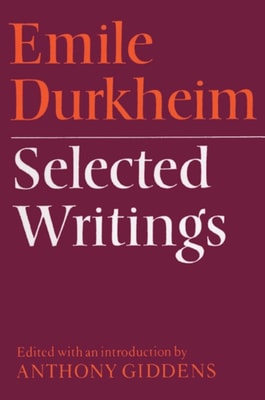
The concept of society sui generis - society as a level of reality which could be studied scientifically - crystallized in the middle of the nineteenth century in Europe, with the work of Durkheim, Marx and Weber and today, more than at any other period in history, the idea of the social has gained a foothold in philosophy, biology, and neuroscience.
In the decades following the collapse of state socialism at the end of 1980s, disabled people in Central and Eastern Europe endured economic marginalisation, cultural devaluation and political disempowerment.
In the decades following the collapse of state socialism at the end of 1980s, disabled people in Central and Eastern Europe endured economic marginalisation, cultural devaluation and political disempowerment.
This book is a groundbreaking attempt to rethink the landscapes of the social world and historical practice by theorising 'social haunting': the ways in which the social forms, figures, phantasms and ghosts of the past become present to us time and time again.
This book is a groundbreaking attempt to rethink the landscapes of the social world and historical practice by theorising 'social haunting': the ways in which the social forms, figures, phantasms and ghosts of the past become present to us time and time again.
Understanding where ageing occurs, how it is experienced by different people in different places, and in what ways it is transforming our communities, economies and societies at all levels has become crucial for the development of informed research, policy and programmes.
Understanding where ageing occurs, how it is experienced by different people in different places, and in what ways it is transforming our communities, economies and societies at all levels has become crucial for the development of informed research, policy and programmes.
Politics with a Human Face presents a holistic understanding of identity formation in post-Soviet Europe, arguing that since politics is fundamentally a human affair.
Politics with a Human Face presents a holistic understanding of identity formation in post-Soviet Europe, arguing that since politics is fundamentally a human affair.
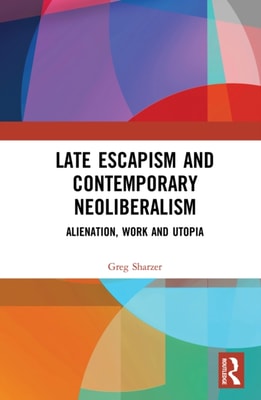
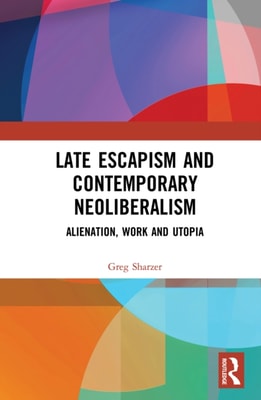
This book suggests that escapism - the desire to leave one's physical or emotional circumstances for an ideal alternative - is a way to understand the social conflicts that structure our world.
This book suggests that escapism - the desire to leave one's physical or emotional circumstances for an ideal alternative - is a way to understand the social conflicts that structure our world.
This third volume of Michael Mann''s analytical history of social power focuses on the interrelated development of capitalism, nation-states and empires.
This third volume of Michael Mann''s analytical history of social power focuses on the interrelated development of capitalism, nation-states and empires.