'I have yet to come away from reading [Bering's] work and not feel considerably better informed than I was minutes before' (Forbes)__________________This penetrating analysis aims to demystify a subject that knows no cultural or demographic boundaries.
'Wonderful, thoughtful, practical' - Cariad Lloyd, Griefcast'Encouraging and inspiring' - Dr Kathryn Mannix, author of Amazon bestseller With the End in MindWe all know how this ends is a new approach to death and dying, showing how exploring our mortality really can change our lives.
'Wonderful, thoughtful, practical' - Cariad Lloyd, Griefcast'Encouraging and inspiring' - Dr Kathryn Mannix, author of Amazon bestseller With the End in MindWe all know how this ends is a new approach to death and dying, showing how exploring our mortality really can change our lives.
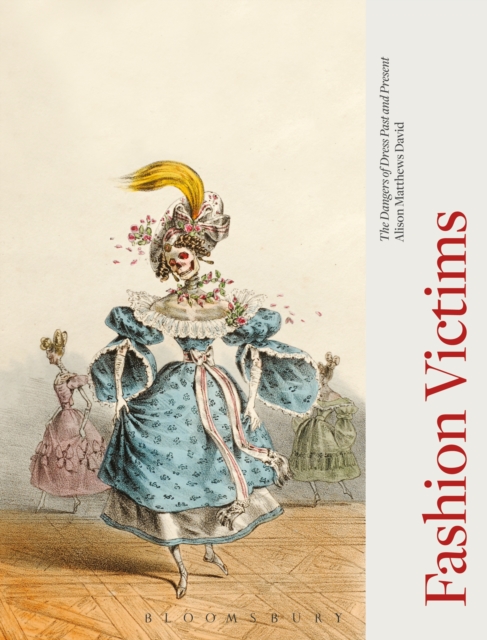
From insidious murder weapons to blaze-igniting crinolines, clothing has been the cause of death, disease and madness throughout history, by accident and design.
From insidious murder weapons to blaze-igniting crinolines, clothing has been the cause of death, disease and madness throughout history, by accident and design.
In this witty and uplifting book Myl ne Desclaux speaks tenderly and honestly about turning 50 and what it means for herself and for the other women in her entourage.
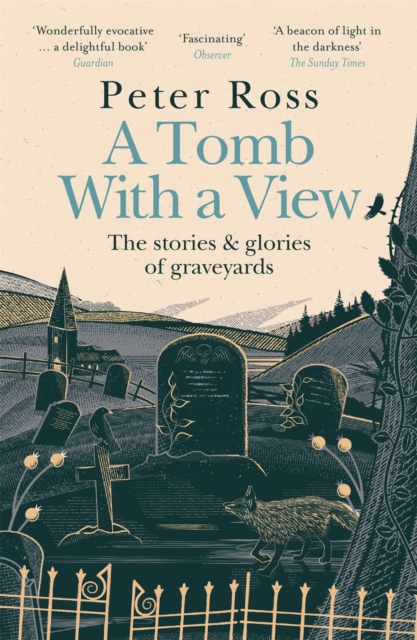
A FINANCIAL TIMES, I PAPER AND STYLIST BOOK OF THE YEAR'In his absorbing book about the lost and the gone, Peter Ross takes us from Flanders Fields to Milltown to Kensal Green, to melancholy islands and surprisingly lively ossuaries .
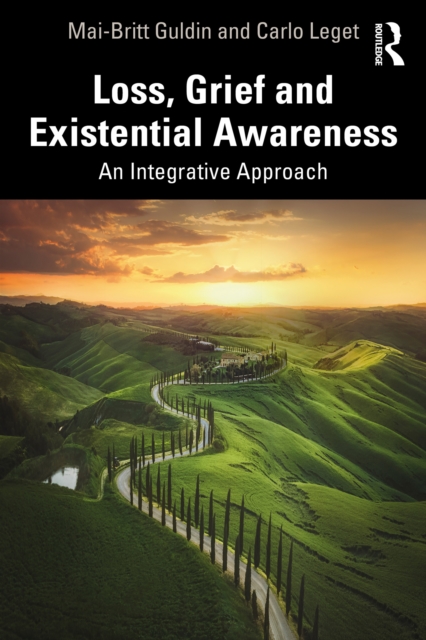
Loss, Grief and Existential Awareness introduces the Integrated Process Model (IPM), a new interdisciplinary and interprofessional model for grief research, education, and accompaniment that distinguishes and integrates five dimensions of grief: physical, emotional, cognitive, social, and spiritual.
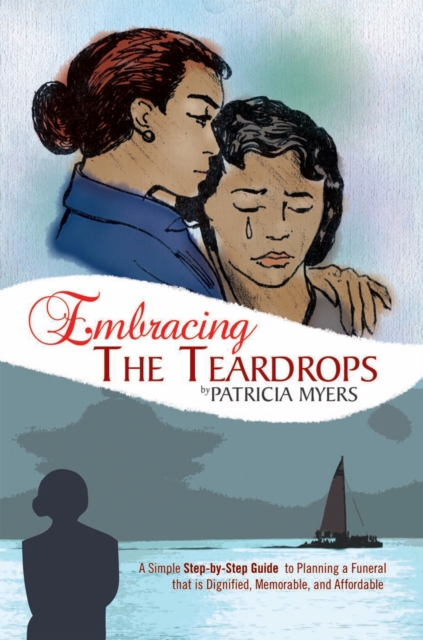
Embracing the Teardrops: A Simple, Step-by-Step Guide to Planninga Funeral That Is Dignified, Memorable, and Affordable guides thereader through one of lifes most difficult experiences: handling the death,final arrangements, and funeral of a loved one.
This is a wonderful book: curious and insightful Ian Mortimer, author of The Time Traveller s Guide to Medieval EnglandWe know what happens to the body when we die, but what happens to the soul?
From Dylan Thomas s eighteen straight whiskies to Sylvia Plath s desperate suicide in the gas oven of her Primrose Hill kitchen; from Chatterton s Pre-Raphaelite demise to Keats death warrant in a smudge of arterial blood, the deaths of poets have often cast a backward shadow on their work.
Many books have been written on the subject of death and dying over the last twenty-five years, yet none provides a comprehensive spiritual paradigm combined with practical guidance for resounding effectively and compassionately to be most common difficulties and challenges of the dying.
Shortlisted for the Folio Prize'Unforgettable' - Anne Tyler'Stunningly original' - GuardianOne long last summer for Dad Lewis in his beloved town, Holt, Colorado.
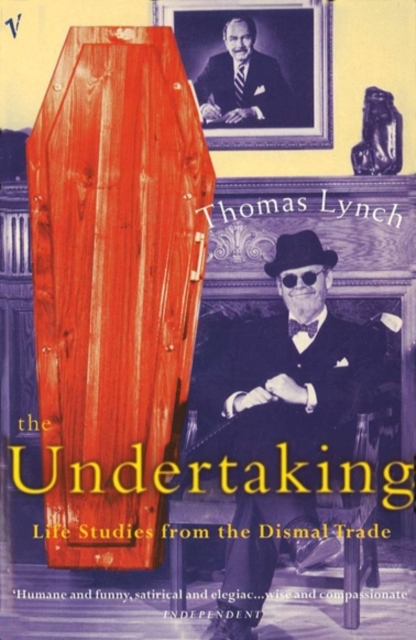
Like all poets, inspired by death, Lynch is, unlike others, also hired to bury the dead or cremate them and to tend to their families in a small Michigan town where he serves as the funeral director.
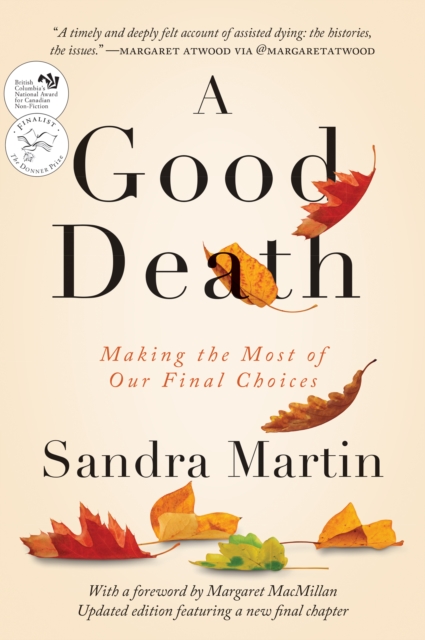
Having a good death is our final human right, argues Sandra Martin in this updated and expanded version of her bestselling and award-winning social history of the right to die movement in Canada and around the world.
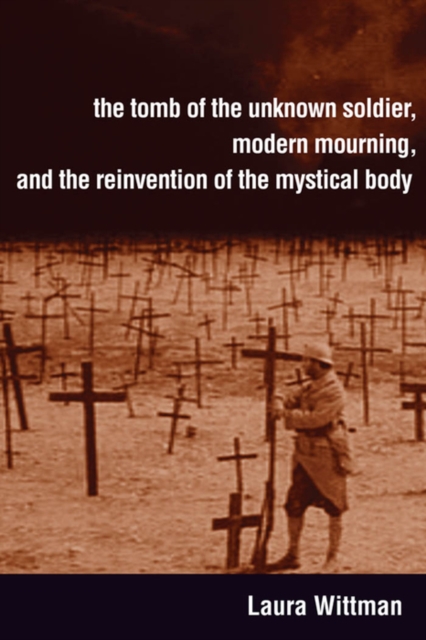
At the end of the First World War, countries across Europe participated in an unprecedented ritual in which a single, anonymous body was buried to symbolize the overwhelming trauma of the battlefields.
Death has popularly had the reputation of being the last of life's great mysteries, a subject of speculation, and as a foreboding event both inevitable, and feared.
The notion of one day disappearing from the earth forever is contrary to many of America's defining cultural values, with death and dying viewed as "e;un-American"e; experiences.
Describing a variety of funeral ritual, from major world religions and from local traditions, this book shows how cultures cope not only with corpses but also create an added value for living through the growth of afterlife beliefs.