Offering insights based on years of original research, Redefining Murder, Transforming Emotion: An Exploration of Forgiveness after Loss Due to Homicide investigates the ideas and experiences of individuals who have lost loved ones to homicide (co-victims) in order to advance our understanding of the emotional transformation of forgiveness.
Offering insights based on years of original research, Redefining Murder, Transforming Emotion: An Exploration of Forgiveness after Loss Due to Homicide investigates the ideas and experiences of individuals who have lost loved ones to homicide (co-victims) in order to advance our understanding of the emotional transformation of forgiveness.
This book examines research on death, dying and bereavement, and how our approaches, perceptions and expectations shapes what we can know about the end of life.
This book examines research on death, dying and bereavement, and how our approaches, perceptions and expectations shapes what we can know about the end of life.
Each suicide is as unique as the individuals involved, especially if one examines the nature of the act and to what extent these acts can be viewed as a theatrical performance.
Each suicide is as unique as the individuals involved, especially if one examines the nature of the act and to what extent these acts can be viewed as a theatrical performance.
In this introductory text on thanatology, Alan Kemp continues to take on the central question of mortality: the centrality of death coupled with the denial of death in the human experience.
In this introductory text on thanatology, Alan Kemp continues to take on the central question of mortality: the centrality of death coupled with the denial of death in the human experience.
An encounter with the death of another is often an occasion when the bereaved need to be sustained in their loss, relieved of the anxiety that the meeting with death engenders, and comforted in their grief.
An encounter with the death of another is often an occasion when the bereaved need to be sustained in their loss, relieved of the anxiety that the meeting with death engenders, and comforted in their grief.
This study provides new insight, and helps to fill the informational void created by the lack of research on relocation effects upon the minority elderly, by focusing on signs of post-relocation mortality, psychosocial distress, and coping behavior in two groups of inner-city elderly black people.
This study provides new insight, and helps to fill the informational void created by the lack of research on relocation effects upon the minority elderly, by focusing on signs of post-relocation mortality, psychosocial distress, and coping behavior in two groups of inner-city elderly black people.
Usually conceived in opposition to each other - birth as a hopeful beginning, death as an ending - this book brings them into dialogue with each other to argue that both are central to our experiences of being in the world and part of living.
Usually conceived in opposition to each other - birth as a hopeful beginning, death as an ending - this book brings them into dialogue with each other to argue that both are central to our experiences of being in the world and part of living.
This book draws together the learning of a wide range of social workers and other professionals engaged in end of life care who recognise that dying is essentially a social experience and want to tailor a personal, professional and societal response accordingly.
This book draws together the learning of a wide range of social workers and other professionals engaged in end of life care who recognise that dying is essentially a social experience and want to tailor a personal, professional and societal response accordingly.
This book argues that dying and bereavement are issues for all social care practitioners, illustrating the wide variety of ways in which they are involved.
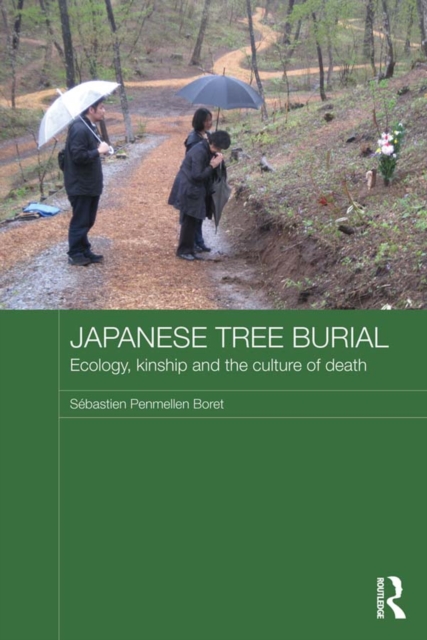
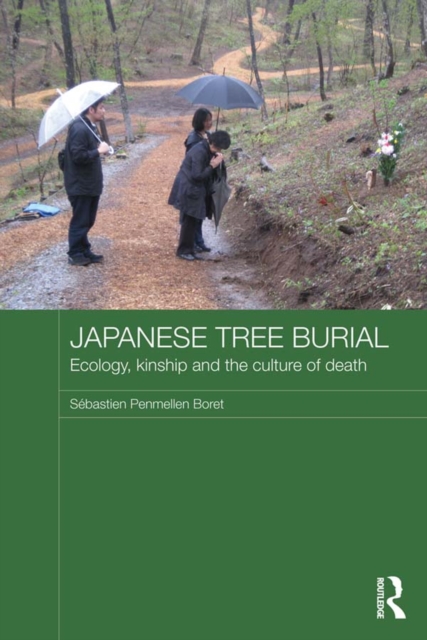
Tree burial, a new form of disposal for the cremated remains of the dead, was created in 1999 by Chisaka Genpo, the head priest of a Zen Buddhist temple in northern Japan.
Tree burial, a new form of disposal for the cremated remains of the dead, was created in 1999 by Chisaka Genpo, the head priest of a Zen Buddhist temple in northern Japan.
Despite the rise of clinical interest in posttraumatic stress disorder and traumatic stress in children, there has been little attention paid to the impact of sibling death as a traumatic event.