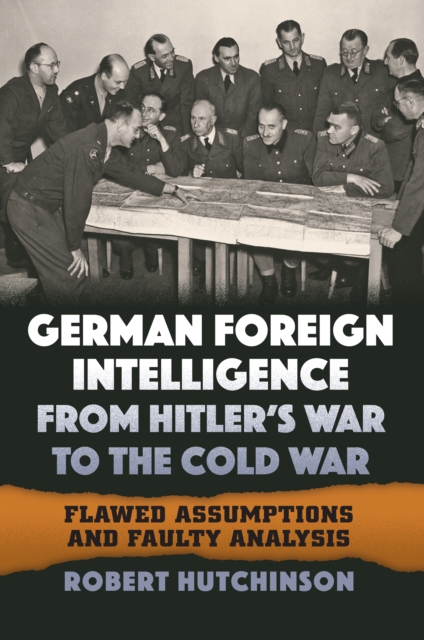
Traditionally the military community held the intelligence profession in low esteem, spying was seen as dirty work and information was all to often ignored if it conflicted with a commander's own view.
Traditionally the military community held the intelligence profession in low esteem, spying was seen as dirty work and information was all to often ignored if it conflicted with a commander's own view.
This book provides an institutional costs framework for intelligence and security communities to examine the factors that can encourage or obstruct cooperation.
This book provides an institutional costs framework for intelligence and security communities to examine the factors that can encourage or obstruct cooperation.
The United States-Australia alliance has been an important component of the US-led system of alliances that has underpinned regional security in the Indo-Pacific since 1945.
The United States-Australia alliance has been an important component of the US-led system of alliances that has underpinned regional security in the Indo-Pacific since 1945.
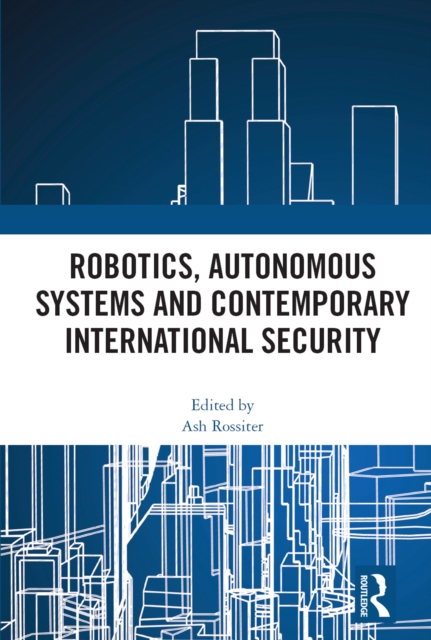
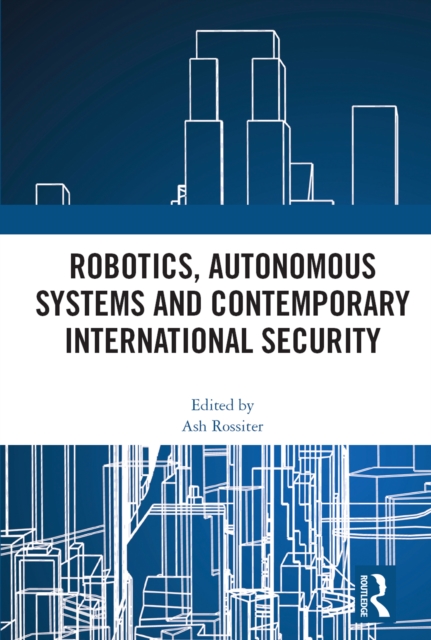
Rapid technological advances in the field of robotics and autonomous systems (RAS) are transforming the international security environment and the conduct of contemporary conflict.
Rapid technological advances in the field of robotics and autonomous systems (RAS) are transforming the international security environment and the conduct of contemporary conflict.
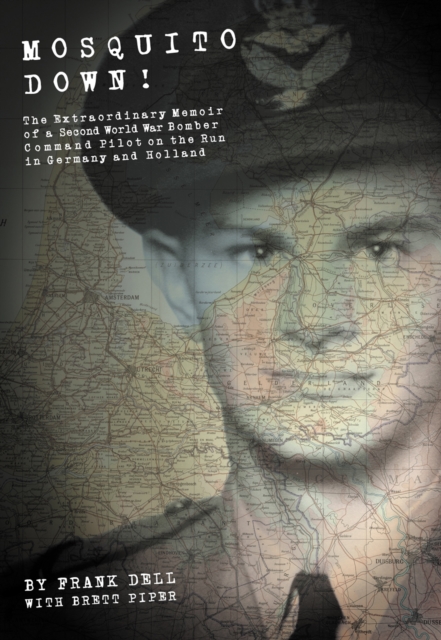
Frank Dell’s experience as a Second World War pilot with the Royal Air Force’s Light Night Striking Force takes an even more dramatic turn when his Mosquito is shot down over Germany on the night of 14/15 October 1944.
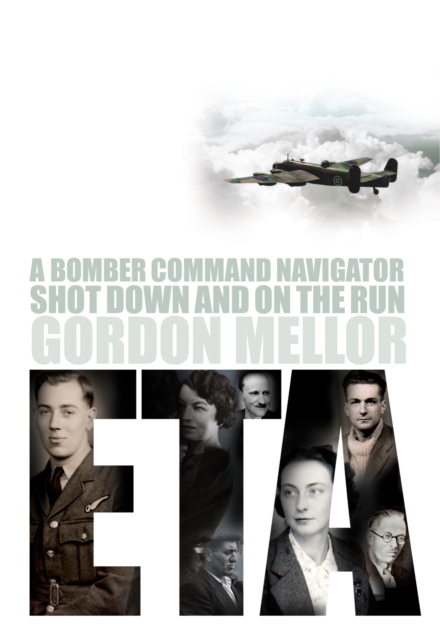
Gordon Mellor served as a navigator with RAF Bomber Command during the Second World War, and ETA is the firsthand account of a conflict that tests not only his initiative and resilience, but also the ability to survive amidst the extreme dangers of a Nazi occupied Europe.
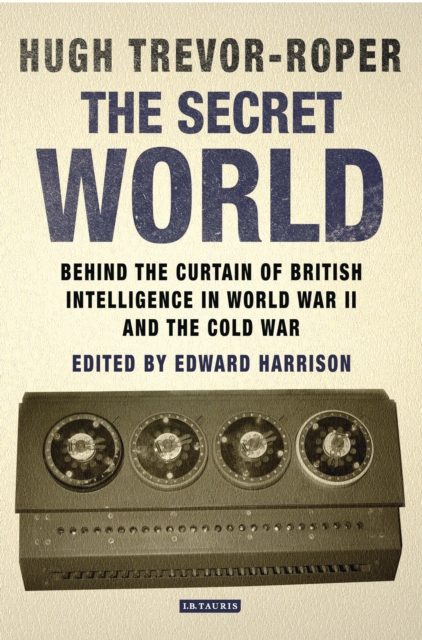
During World War II, Britain enjoyed spectacular success in the secret war between hostile intelligence services, enabling a substantial and successful expansion of British counter-espionage which continued to grow in the Cold War era.
During World War II, Britain enjoyed spectacular success in the secret war between hostile intelligence services, enabling a substantial and successful expansion of British counter-espionage which continued to grow in the Cold War era.
As a British Intelligence Officer during World War II, Hugh Trevor-Roper was expressly forbidden from keeping a diary due to the sensitive and confidential nature of his work.
On 10 May 1941, Rudolf Hess, then the Deputy F hrer, parachuted over Renfrewshire in Scotland on a mission to meet with the Duke of Hamilton, ostensibly to broker a peace deal with the British government.
Documents the first-hand experiences in the Holocaust of the Sephardim from Greece, the Balkans, North Africa, Libya, Cos, and Rhodes The Sephardim suffered devastation during the Holocaust, but this facet of history is poorly documented.
The Battle of the Atlantic, the longest continuous campaign of World War II, climaxed in 1943, when Germany came closest to interrupting Allied supply lines and perhaps winning the war.
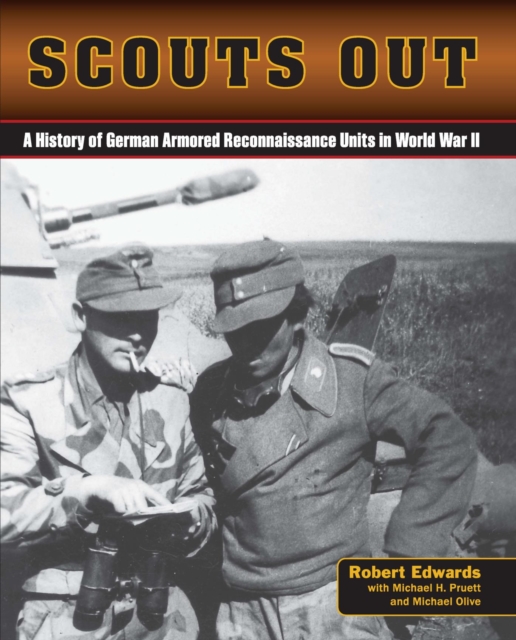
Scouts Out is the definitive account of German armored reconnaissance in World War II, essential for historians, armor buffs, collectors, modelers, and wargamers, and the first extensive treatment of the subject in English.