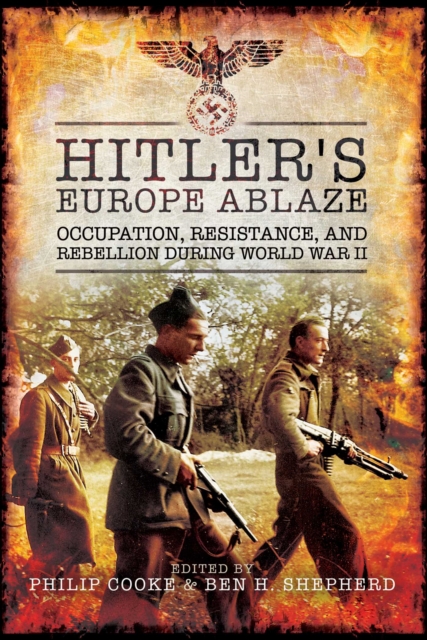
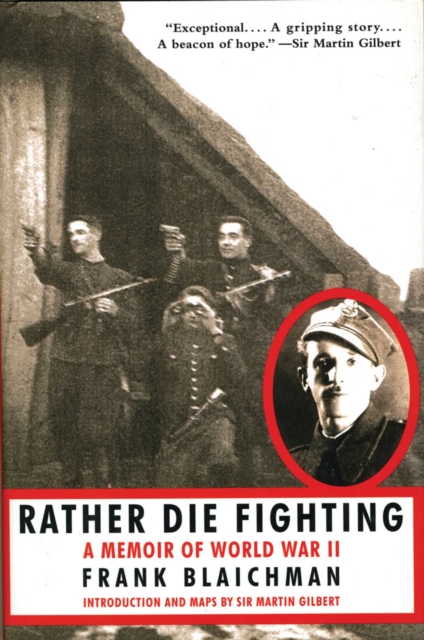
Local resistance to German-led Axis occupation occurred throughout the European continent during World War II, taking a wide range of formsnoncooperation and disinformation, sabotage and espionage, and armed opposition and full-scale partisan warfare.
A fearless young Swede whose efforts saved countless Hungarian Jews from certain death at the hands of Adolf Eichmann, Raoul Wallenberg was one of the true heroes to emerge during the Nazi occupation of Eu-rope.
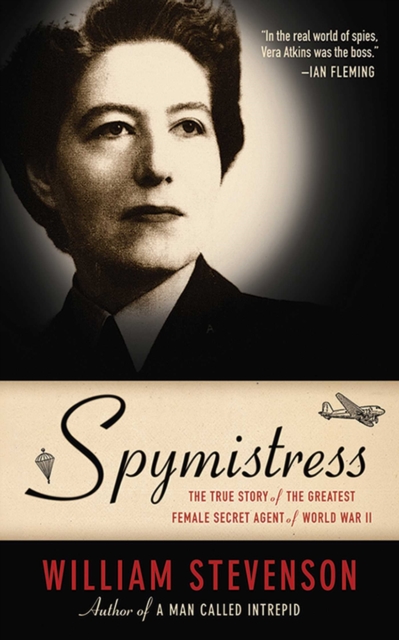
The New York Times Bestseller by the Author of A Man Called IntrepidIdeal for fans of Nancy Wake, Virginia Hall, The Last Goodnight by Howard Blum, The Woman Who Smashed Codes, The Wolves at the Door by Judith Pearson, and similar worksShares the story of Vera Atkins, legendary spy and holder of the Legion of HonorWritten by William Stevenson, the only person whom she trusted to write her biographyShe was stunning.
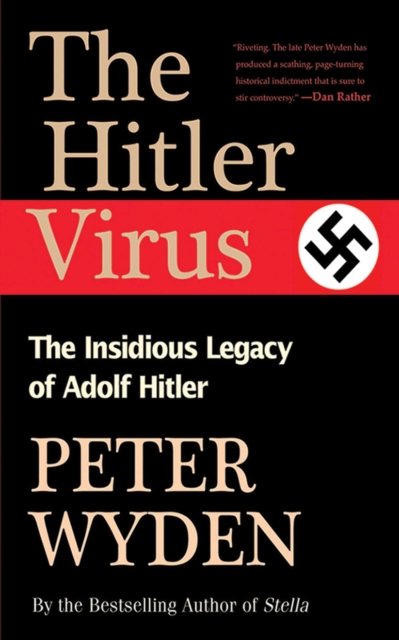
More than a half-century after Adolf Hitler committed suicide in a Berlin bunker, the dictators legacy and influence lives on, precisely as he predicted before putting the gun to his head.
A Traveller's Guide to D-Day and the Battle for Normandy covers the period from June to August 1944 when the Allies stormed ashore, fought their way through the bocage country of Normandy, and eventually broke out through the Avranches gap.
He's the worst Nazi war criminal you've never heard ofSidekick to SS Chief Heinrich Himmler and supervisor of Nazi rocket scientist Wernher von Braun, General Hans Kammler was responsible for the construction of Hitler's slave labor sites and concentration camps.
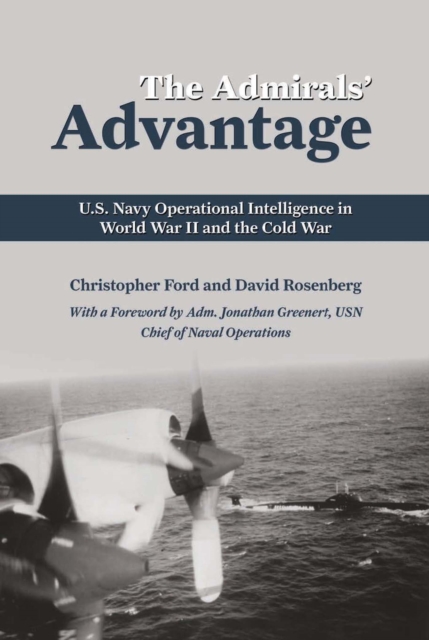
Through dramatic incidents tells for the first time the full story of the development of Cold War naval intelligence from the end of WWII to the breakup the Soviet Union in 1991, from both sides, East and West.
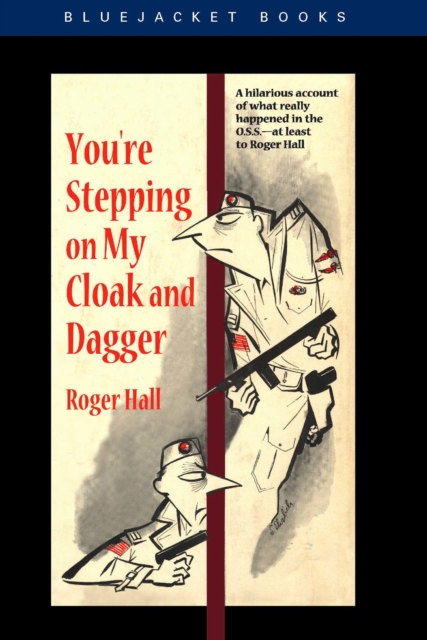
With a sharp eye and wry wit, Roger Hall recounts his experiences as an American Army officer assigned to the Office of Strategic Services (OSS) during World War II.
This analytic and historical study provides a revealing look at naval operational intelligence by embracing the fundamental question of what OPINTEL is and how it answers the fundamental question "e;Where is the enemy, in what strength, and disposition, and what is he doing right now?
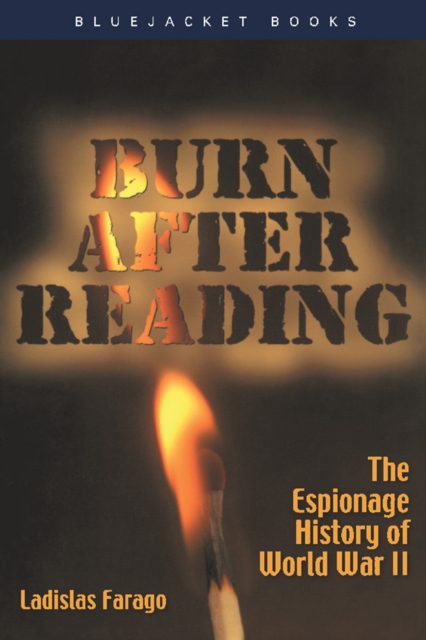
Fought under the cover of elaborate deceptions and ruthless lies, the deadly intelligence operations of World War II produced victories and defeats that were often as important as any reached on the battlefield.
A riveting combination of war memoir and analysis providing "e;valuable insights"e; into the role of military intelligence in Vietnam (International Journal of Intelligence and Counterintelligence).
Originally published in 1865, "e;Nurse and Spy in the Union Army"e; is a memoir by Emma Edmonds (1841-1898) who famously dressed as a man in order to enlist in the 2nd Michigan Infantry during the American Civil War.
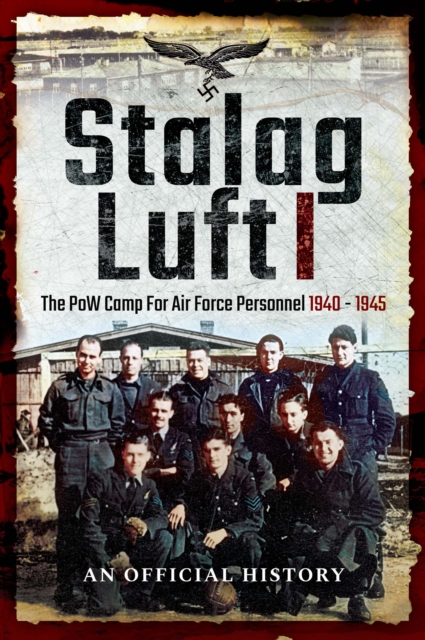
Located by the Baltic near the town of Barth in Western Pomerania, Germany, Stalag Luft I was one of a number of Stammlager Luftwaffe, these being permanent camps established and administered by the Luftwaffe, which were used to house Allied air force prisoners of war.
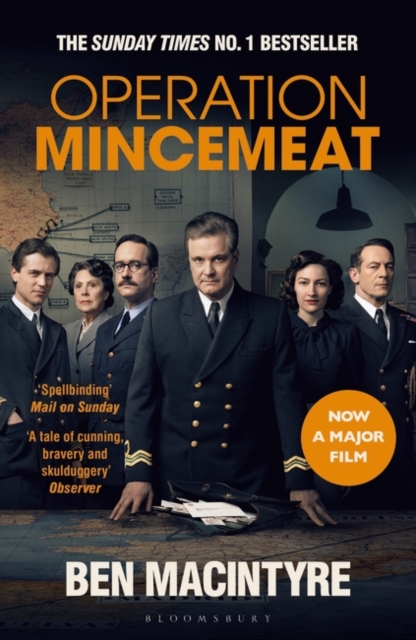
**Now a major film, starring Colin Firth, Matthew Macfadyen, Kelly Macdonald, Penelope Wilson, Johnny Flynn and Jason Isaacs**A RICHARD AND JUDY BOOK CLUB SELECTIONA SUNDAY TIMES NO.
THE INSTANT NEW YORK TIMES BESTSELLER'An intricately detailed, deeply sourced and reported history of the origins and growth of the cyberweapons market .
WINNER OF THE FT & McKINSEY BUSINESS BOOK OF THE YEAR AWARD 2021The instant New York Times bestsellerA Financial Times and The Times Book of the Year'A terrifying expos ' The Times'Part John le Carr .
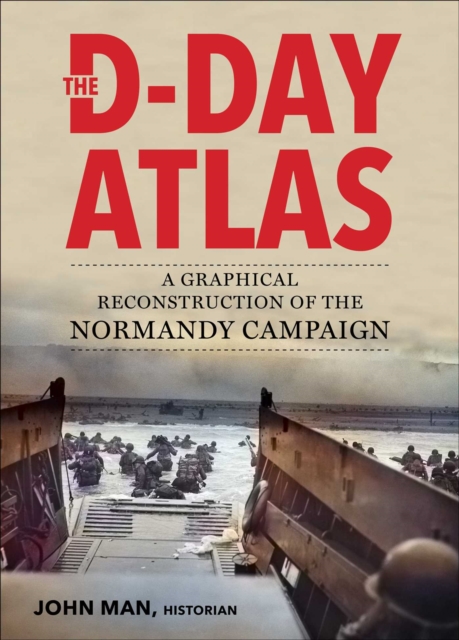
An Illustrated Guide to One of the Greatest Events of World War IIThe Allied landing in German-occupied Normandy on June 6, 1944 was the greatest amphibious operation in military history.
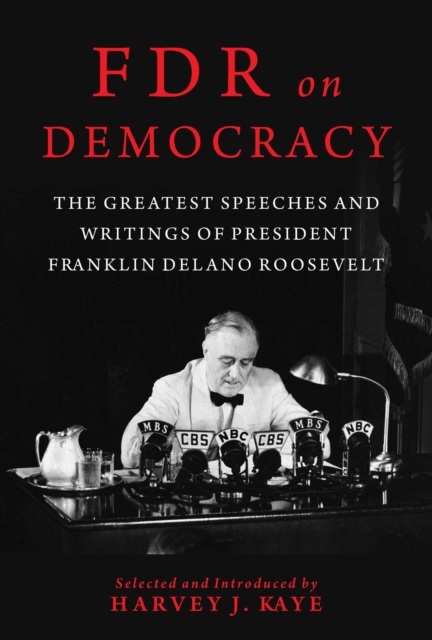
From One of the Greatest Leaders in American History, a Collection of the Words and Writings that Inspired a Generation of Americans to Become the Greatest Generation In just under three decades of public life, Franklin Delano Roosevelt rose to become one of the greatest orators and leaders in American history.
How Churchill Saved Civilization resolves the lingering mysteries surrounding the causes of the Second World War, and what transpired during the war to bring its end result.
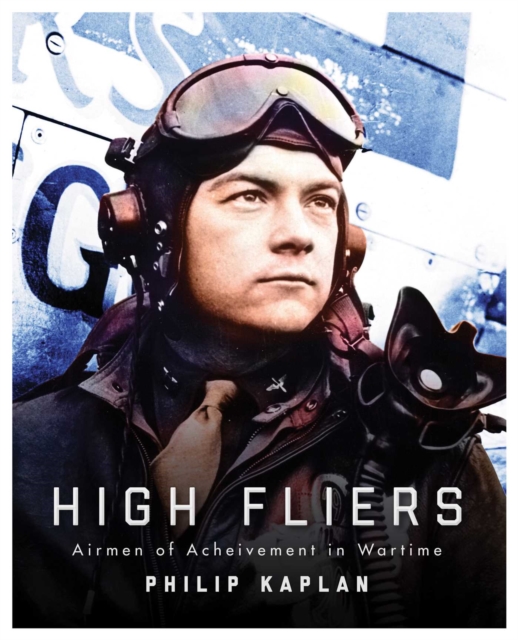
There were two kinds of pilots involved in the action during the Second World War: those who took the lead, and the others who went along for the ride.
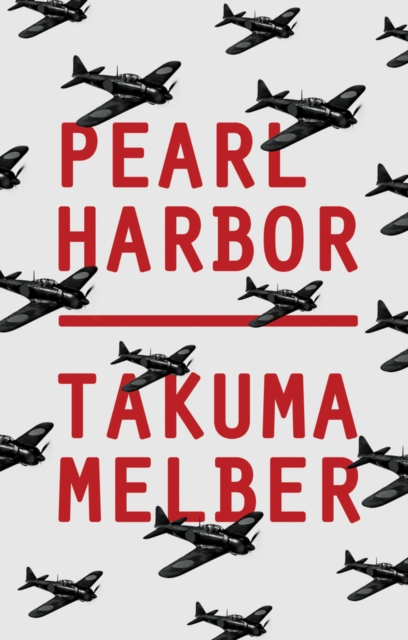
Hawaii, 7th December 1941, shortly before 8 in the morning: Japanese torpedo bombers launch a surprise attack on the US Pacific fleet anchored in Pearl Harbor.