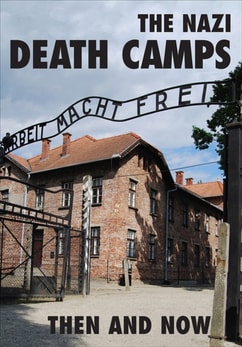
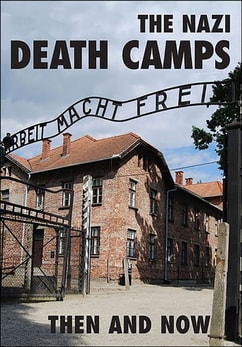
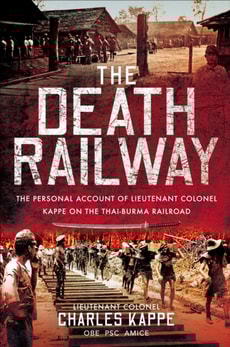
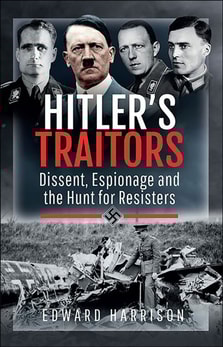
In the 12 years that the National Socialist Party was in power in Germany, upwards of 15,000 concentration and labor camps were established in the Greater Reich and the occupied countries to incarcerate all who were deemed enemies of the state.
In the 12 years that the National Socialist Party was in power in Germany, upwards of 15,000 concentration and labor camps were established in the Greater Reich and the occupied countries to incarcerate all who were deemed enemies of the state.
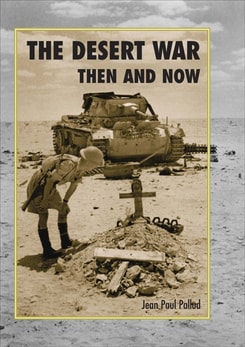
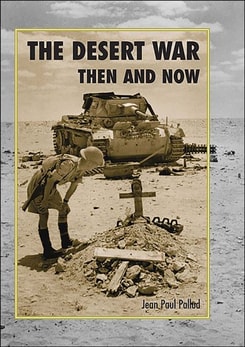
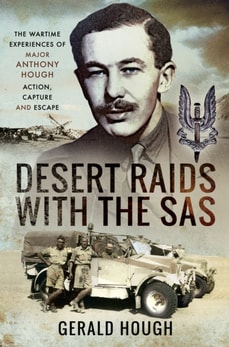
Following Mussolini's declaration of war in June 1940, initially Italy faced only those British troops based in the Middle East but as the armed confrontation in the Western Desert of North Africa escalated, other nations were drawn in - Germany, Australia, India, South Africa, New Zealand, France and finally the United States to wage the first major tank-versus-tank battles of the Second World War.
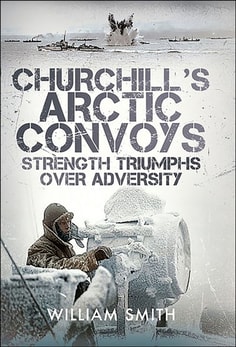
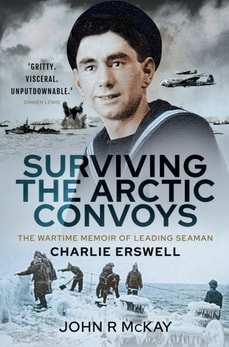
The threat of Operation Barbarossa, Hitler's surprise invasion of Russia in June 1941, succeeding prompted Churchill to decide to send vital military supplies to Britain's new ally.
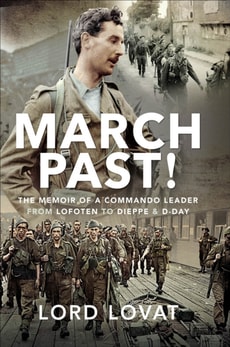
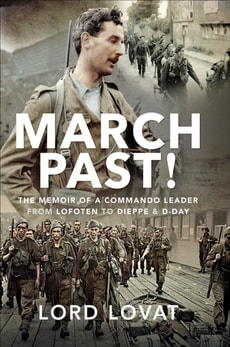
At the outbreak of war in 1940, Simon Frazer, the 15th Lord Lovat and a former Guards officer, was mobilized from the reserve list to join the Lovat Scouts, the British Army's first sniper unit that had been formed by his father during the Boer War.
At the outbreak of war in 1940, Simon Frazer, the 15th Lord Lovat and a former Guards officer, was mobilized from the reserve list to join the Lovat Scouts, the British Army's first sniper unit that had been formed by his father during the Boer War.
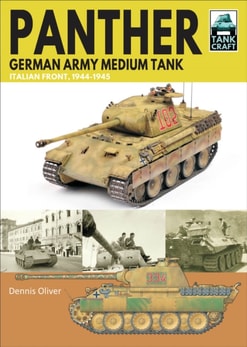
The Allied invasions of Sicily and the Italian mainland had been met with tenacious resistance by the Germans but the defense consisted for the most part of armored units that were little different to those the British had faced in North Africa.
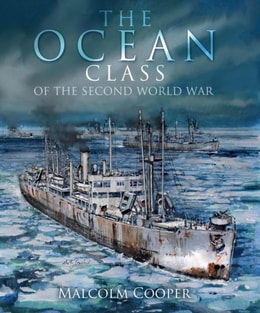
This new book tells the story of the Ocean class of standard cargo ships, their design, building, and careers, and the author places them firmly in the context of the battle of the Atlantic which was raging at the time of the first launchings.
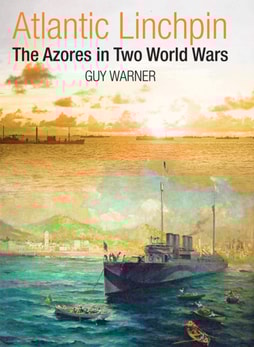
On a map the Azores appear as nine tiny specks in the middle of the Atlantic Ocean, but their location was to prove strategically vital in two world wars.
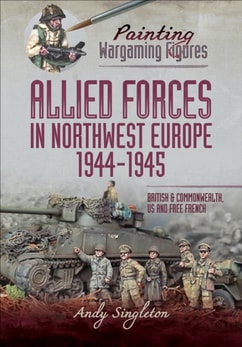
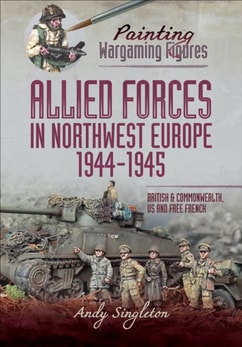
This book is aimed at assisting those new or unfamiliar with historical figure modelling and wargaming by providing them with a range of simple tips and techniques to assist them in putting together good looking collections using methods that won't take an age.
This book is aimed at assisting those new or unfamiliar with historical figure modelling and wargaming by providing them with a range of simple tips and techniques to assist them in putting together good looking collections using methods that won't take an age.
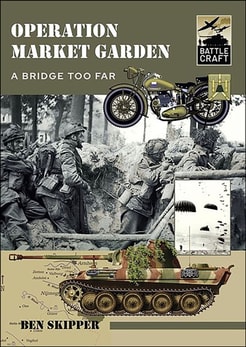
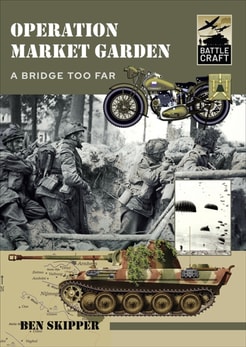
Every General's aim is to end a war by Christmas, and Montgomery, perhaps, saw his opportunity in a bold strike across the southern portion of the Netherlands close to the borders of an embattled Reich.
Every General's aim is to end a war by Christmas, and Montgomery, perhaps, saw his opportunity in a bold strike across the southern portion of the Netherlands close to the borders of an embattled Reich.
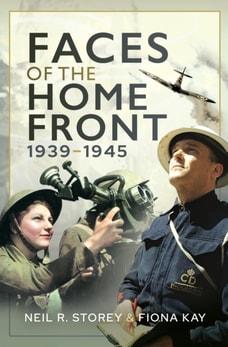
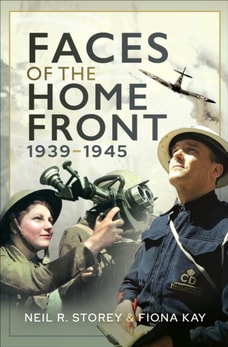
Faces of the Home Front presents a fascinating insight into the people, wartime organisations, events, life and work on the British Home Front during the Second World War.
Faces of the Home Front presents a fascinating insight into the people, wartime organisations, events, life and work on the British Home Front during the Second World War.
In State Secrecy and Security: Refiguring the Covert Imaginary, William Walters calls for secrecy to be given a more central place in critical security studies and elevated to become a core concept when theorising power in liberal democracies.
In State Secrecy and Security: Refiguring the Covert Imaginary, William Walters calls for secrecy to be given a more central place in critical security studies and elevated to become a core concept when theorising power in liberal democracies.
This book explores the challenges leaders in intelligence communities face in an increasingly complex security environment and how to develop future leaders to deal with these issues.