Choice Outstanding TitleWhen on May 15, 1918 a French lieutenant warned Henry Johnson of the 369th to move back because of a possible enemy raid, Johnson reportedly replied: Im an American, and I never retreat.
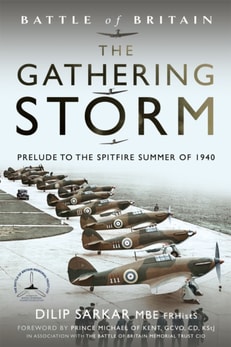
Dilip Sarkar has studied the Battle of Britain period for a lifetime and is renowned for his meticulous research and evidence-based approach, setting events within the broadest possible context.
About the Allies victory in the Pacific in WWII, it goes almost without question that Japans defeat was inevitable in the face of overwhelming American military might and economic power.
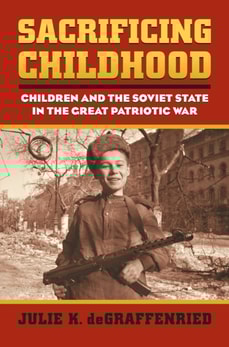
Winner: Guittard Book Award for Historical ScholarshipDuring the Soviet Unions Great Patriotic War, from 1941 to 1945, as many as 24 million of its citizens died.
This collection of essays by international experts in military history reassesses the war plans of 1914 in a broad diplomatic, military, and political setting.
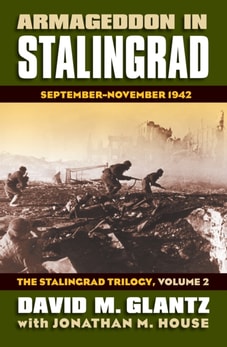
The German offensive on Stalingrad was originally intended to secure the Wehrmachts flanks, but it stalled dramatically in the face of Stalin's order: Not a Step Back!
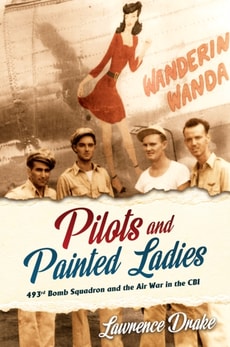
Raised on a Montana farm, Vernon Drake enlisted in the Army Air Corps, piloting B-24 bombers and painting nose art while enduring perilous missions in the Himalayas during World War II.
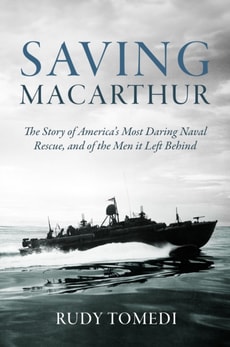
Explores the contrasting fates of Admiral John Duncan Bulkeley and General Douglas MacArthur, revealing the often-overlooked sacrifices of Bulkeley's PT boat crew during a heroic yet controversial rescue from the Philippines in World War II.
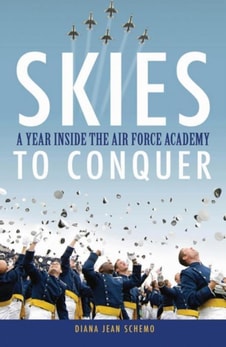
A former New York Times reporter's year behind the scenes at the scandal-ridden Air Force Academy Diana Jean Schemo covered the Air Force Academy's sexual assault scandal in 2003, one of a series of academy embarrassments that have included drug use, rape complaints, and charges of evangelical officers pushing Christianity on cadets of all faiths.
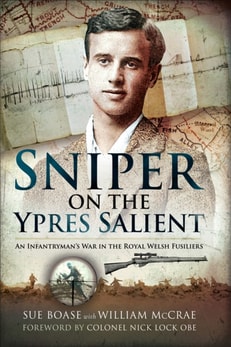
Just after midnight on 22 April 1916 on the Western Front, a sergeant from the 15th (1st London) Royal Welsh Fusiliers came sliding and stumbling along the dark, mud-filled trench towards the four men, huddled together and soaked-through, in the shallow dugout.
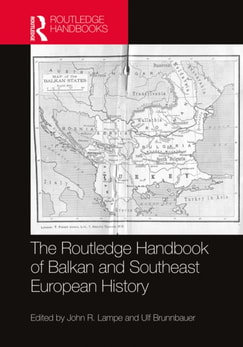
Disentangling a controversial history of turmoil and progress, this Handbook provides essential guidance through the complex past of a region that was previously known as the Balkans but is now better known as Southeastern Europe.
Disentangling a controversial history of turmoil and progress, this Handbook provides essential guidance through the complex past of a region that was previously known as the Balkans but is now better known as Southeastern Europe.
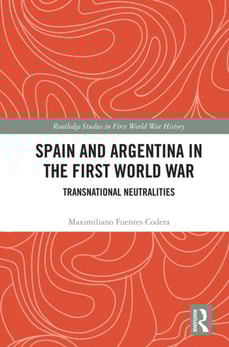
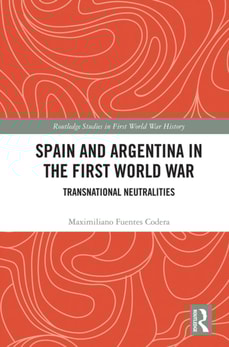
This is the first book that analyzes the transnational impact of the Great War simultaneously on two countries, Spain and Argentina, that remained neutral throughout the conflict.
This is the first book that analyzes the transnational impact of the Great War simultaneously on two countries, Spain and Argentina, that remained neutral throughout the conflict.
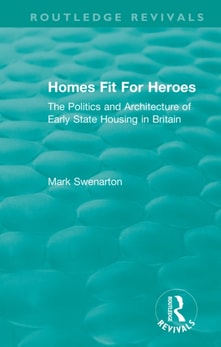
Homes fit for Heroes looks at the pledge made 100 years ago by the Lloyd George government to build half a million 'homes fit for heroes' - the pledge which made council housing a major part of the housing system in the UK.
Homes fit for Heroes looks at the pledge made 100 years ago by the Lloyd George government to build half a million 'homes fit for heroes' - the pledge which made council housing a major part of the housing system in the UK.
This volume provides the English-speaking reader with little-known perspectives of Central and Eastern European historians on the topic of the Russian Revolution.
This volume provides the English-speaking reader with little-known perspectives of Central and Eastern European historians on the topic of the Russian Revolution.
This book examines the rise of great power competition in space, including the relevant and practical space strategies for China, Russia, the United States, and other countries.